





The Science of Heat Stress
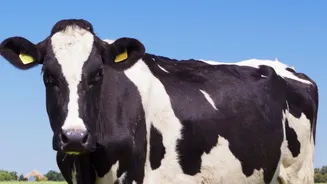
Heat stress occurs when an animal, particularly a dairy cow, cannot get rid of its body heat effectively. It's not just about high temperatures; high humidity is a critical factor. When the air is saturated with moisture, the animal's natural cooling
mechanism of sweating and panting becomes less efficient. This combination is measured using the Temperature-Humidity Index (THI). Studies show that for high-producing dairy cows, milk production can start to decline when the THI exceeds 68, a level that can be reached at a relatively mild temperature of 22°C if humidity is high. Visible signs of heat stress include rapid breathing, panting with an open mouth, excessive drooling, and seeking shade. Animals will also reduce their movement and prefer to stand rather than lie down to expose more of their body surface to the air.
Impact on Animal Health and Milk Production
The physiological response to heat stress directly impacts milk output. To cope with the heat, cows divert energy away from production and towards thermoregulation. A primary effect is a reduction in feed intake; cows simply eat less when they are hot, sometimes by as much as 40%, which means they lack the energy for normal milk production. Beyond just eating less, heat stress can cause a condition known as "leaky gut," which further hampers nutrient absorption and accounts for a significant portion of the production drop. The result is not only less milk but also lower quality milk, with reduced fat and protein content. Recent studies in India, particularly in Haryana, confirm that temperatures over 38°C combined with humidity above 70% can trigger catastrophic drops in milk yield. It's estimated that intense heat stress can reduce a lactating animal's milk yield by 20-30%.
The Economic Toll on India's Dairy Farmers
For India's 80 million dairy farmers, most of whom are smallholders with just a few animals, these effects are devastating. Reduced milk output directly translates to lower income. Recent research estimates that heat-related stress already causes an annual national loss of 3.2 million tonnes of milk, valued at approximately ₹2,661 crore. Projections are even more alarming, suggesting this loss could surge to 15 million tonnes by the 2050s if effective adaptation measures are not taken. The financial strain extends beyond lost milk sales. Heat stress weakens an animal's immune system, making them more susceptible to diseases like mastitis, which leads to increased veterinary expenses. Fertility is also negatively affected, leading to lower conception rates and longer intervals between calving, which further disrupts the production cycle and income flow for farmers.
Strategies for a Warmer Future
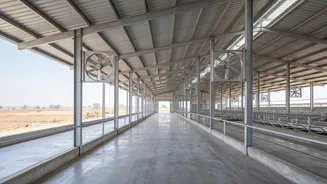
Fortunately, there are strategies to mitigate the impact of heat stress. The most immediate and low-cost solutions involve providing adequate shade and ensuring a constant supply of clean, cool water, as water intake is critical for cooling. Simple changes, like altering feeding schedules to cooler parts of the day, can also help maintain feed intake. More advanced cooling systems, such as fans and water sprinklers, are highly effective. Intermittent sprinkling to soak the cows, followed by fan-driven evaporation, can significantly lower body temperature. From a nutritional standpoint, providing high-quality, energy-dense feed can help compensate for reduced intake. In the long term, breeding strategies that focus on selecting more heat-tolerant animals, including indigenous Indian breeds like the Sahiwal and Gir which are naturally more resilient, will be crucial for building a climate-smart dairy sector.