
A monumental celebration of creativity is on the horizon for Delhi. Plans for a new India Biennale dedicated to art and architecture are taking shape, promising an unprecedented 108-day programme that aims to redefine the country's cultural landscape.
A New Vision for Indian Culture
In the world of contemporary art, biennales are the equivalent of a global summit. These large-scale international exhibitions, held every two years, transform host cities into buzzing hubs of creativity, dialogue, and cultural tourism. From the historic Venice Biennale to the influential Sharjah Biennale, these events are critical platforms where new artistic ideas are born and national identities are showcased. The announcement of an Indian edition on this scale signals a bold ambition: to create a new, essential destination on the international art map. By focusing on both art and architecture, the proposed India Biennale aims to offer a holistic exploration of the nation's creative pulse, examining everything from urban design and sustainable living to cutting-edge digital art and traditional crafts.
The Significance of 108 Days
The choice of a 108-day duration is no coincidence; it is a deeply resonant cultural statement. In many Eastern philosophies, including Hinduism, Buddhism, and Jainism, the number 108 is considered sacred. There are 108 Upanishads in Hindu scripture, 108 beads in a 'japa mala' used for prayer and meditation, and 108 sacred sites, or 'pithas', across India. The number is believed to represent spiritual completion, the wholeness of existence, and the universe itself. By structuring the biennale around this number, the organisers are embedding the event within a profound indigenous context. It transforms the programme from a simple calendar schedule into a symbolic journey—a creative pilgrimage lasting long enough for deep immersion and reflection, inviting both local and international audiences to engage with art in a uniquely Indian rhythm.
Delhi as the Grand Stage
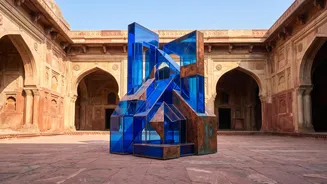
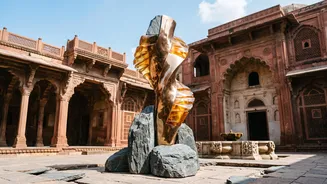
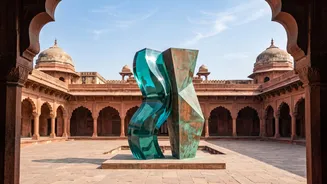
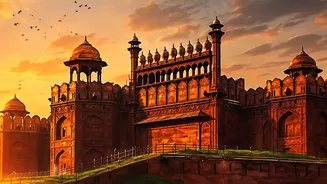
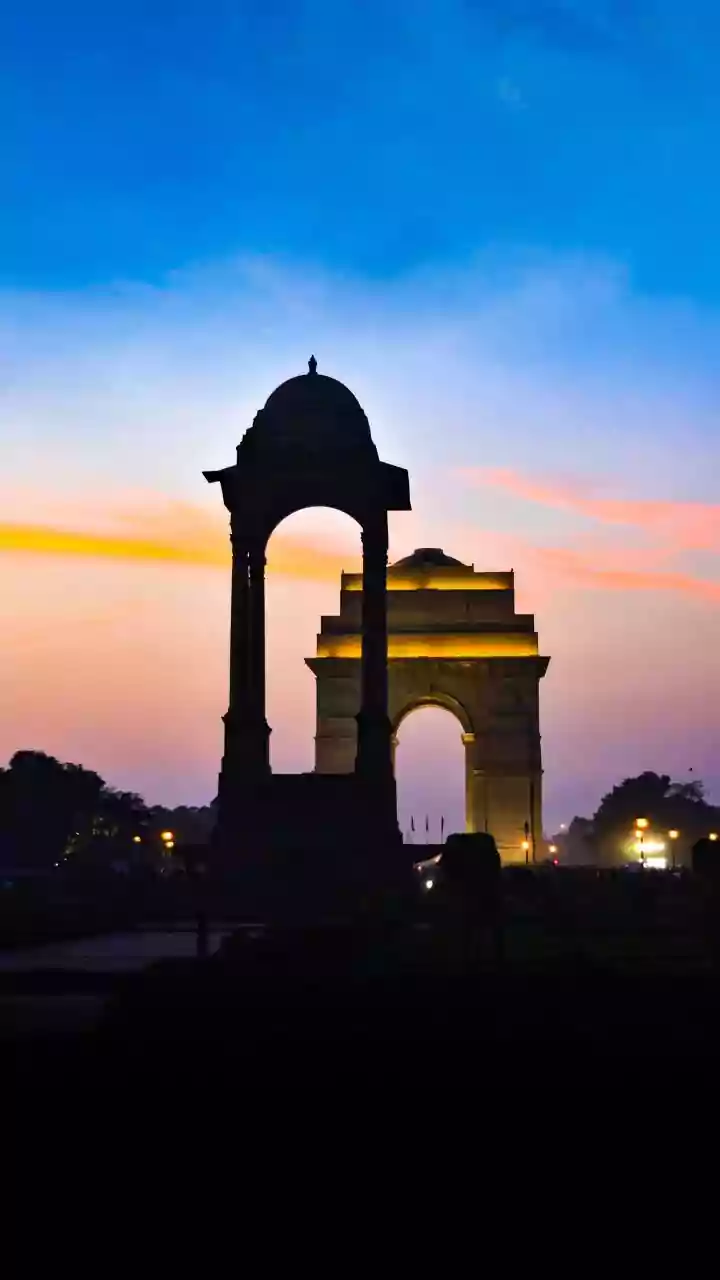
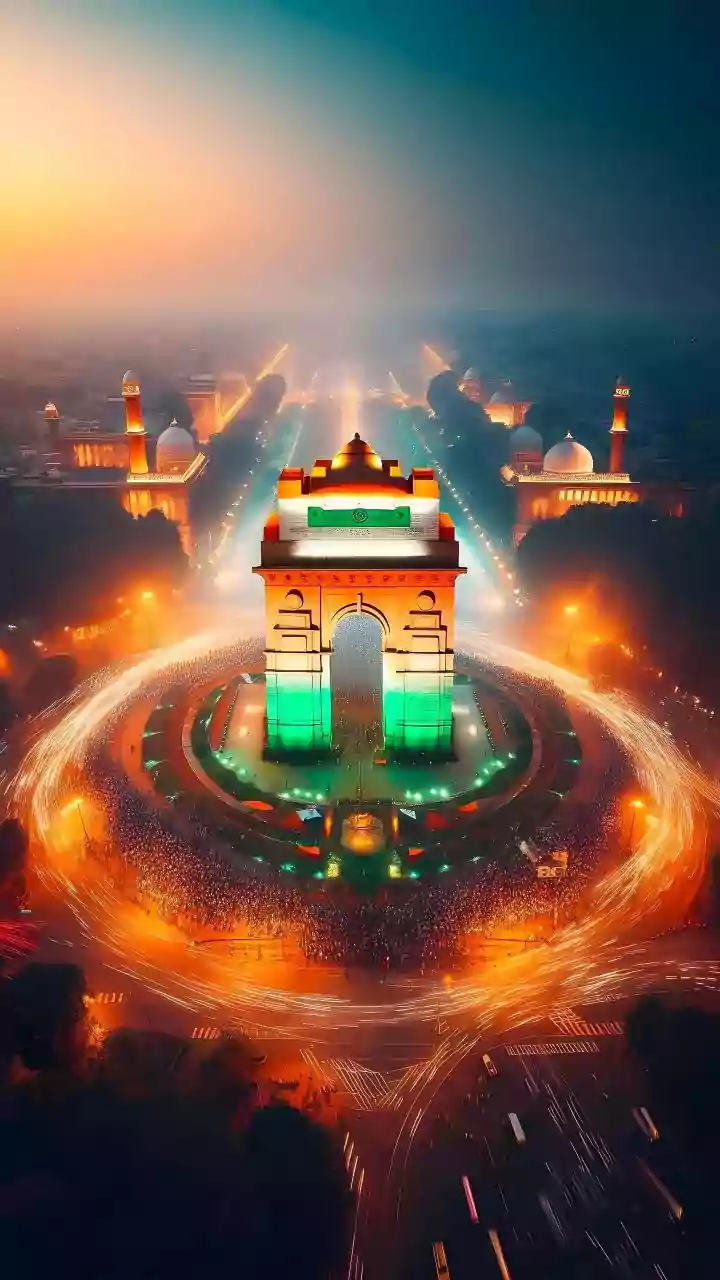
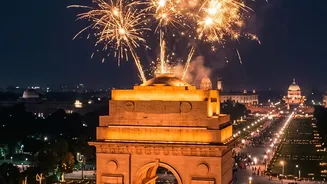
Choosing Delhi as the host city is a masterstroke. The capital is a living museum of architecture, where centuries of history are layered alongside ambitious modern infrastructure. From the ancient ruins of Mehrauli and the Mughal grandeur of Old Delhi to Lutyens' imperial city and the sprawling contemporary suburbs, Delhi offers a complex and dynamic canvas. A biennale here could activate various sites across the city, transforming historical monuments, public parks, and modern galleries into exhibition venues. This would encourage visitors to not only see the art but to experience the city's architectural soul in a new light. Such an event would connect the dots between Delhi's storied past and its imagined future, making the city itself a central exhibit.
What to Expect from the Programme
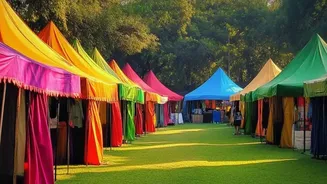
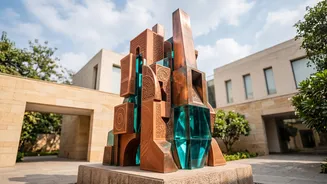
While specific themes and artist lists are still forthcoming, the dual focus on art and architecture promises a rich and varied programme. Visitors can likely anticipate a series of interconnected exhibitions, pavilions, and installations. The architectural component may feature models, blueprints, and manifestos from leading Indian and international firms, addressing pressing issues like urbanization, sustainability, and public housing. The art programme would likely showcase a new generation of Indian painters, sculptors, photographers, and media artists who are making waves globally. Beyond static exhibitions, a modern biennale experience includes a dynamic schedule of talks, workshops, film screenings, and performances that foster public engagement and create a festival-like atmosphere throughout its three-and-a-half month run.
A Global Platform for Local Talent
Ultimately, the greatest impact of the India Biennale could be its role as an incubator and amplifier for homegrown talent. While Indian artists and architects are increasingly recognised on the world stage, a dedicated, recurring biennale in their home country provides an unparalleled platform. It creates opportunities for collaboration, mentorship, and critical discourse that can fuel the entire creative ecosystem for years to come. For the public, it is a chance to engage with challenging, thoughtprovoking work that reflects the complexities of modern India. For the world, it is an open invitation to look at India through the lens of its most creative minds than fostering a deeper and more nuanced understanding of the country beyond headlines.