








Build a Dedicated Travel Emergency Fund
The first line of defence is financial. A dedicated travel emergency fund provides peace of mind and prevents travel mishaps from derailing your budget. Experts suggest setting aside an amount equivalent to 10-20% of your total annual travel costs. This
isn't for souvenirs; it's for last-minute flights after a cancellation, unexpected hotel stays, or covering the fare difference on a rebooked ticket. Start by opening a separate savings account and setting up automatic monthly transfers, even a small amount helps. This keeps the funds liquid and accessible but separate from your daily spending, reducing the temptation to dip into it for non-emergencies.
Master Smart Booking Strategies
How and when you book can significantly insulate you from price volatility. While the old myth of booking on a Tuesday is outdated due to dynamic pricing, a booking window does exist. For domestic flights in India, aim to book between one and three months in advance. Use tools like Google Flights or Skyscanner to set up price alerts for your regular routes; these platforms will notify you when fares drop, allowing you to book at an opportune moment. Also, consider your flexibility. Flying mid-week or on a Saturday is often cheaper than on Fridays or Sundays. Finally, pay close attention to the fare class. A slightly more expensive flexible or refundable ticket can save you a fortune in cancellation or change fees down the line.
Leverage Credit Card and Insurance Benefits
Your wallet might already hold powerful buffer tools. Many premium credit cards in India, such as the HDFC Regalia, Axis Bank Magnus, or co-branded cards from issuers like Standard Chartered and ICICI Bank, come with built-in travel protection. These often include complimentary insurance that covers trip cancellations, delays, and lost baggage. Some also offer complimentary lounge access, which proves invaluable during long, unexpected delays. For those who travel multiple times a year, an annual multi-trip travel insurance policy is a cost-effective choice. These plans from providers like HDFC Ergo and Tata AIG cover an unlimited number of trips within a year, offering protection against cancellations, medical emergencies, and delays for a single annual premium.
Know Your Rights as a Passenger
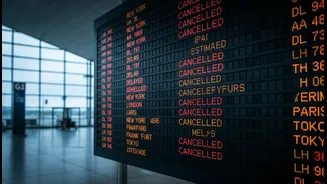
Understanding passenger rights in India can empower you during a disruption. The Directorate General of Civil Aviation (DGCA) has clear rules for airlines. If an airline cancels a flight with less than two weeks' notice and fails to arrange an alternative, you are entitled to a full refund and, in some cases, compensation ranging from ₹5,000 to ₹10,000. During significant delays, airlines are obligated to provide meals and refreshments. For very long or overnight delays, they must provide hotel accommodation and transfers. However, these compensation rules generally do not apply to disruptions caused by factors beyond the airline's control, like severe weather, but you are still entitled to a full refund or an alternate flight. If an airline fails to comply, you can file a grievance on the AirSewa portal.
Create a Time Buffer in Your Itinerary
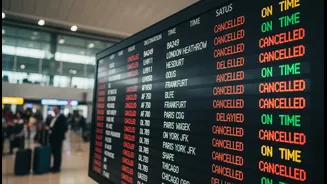
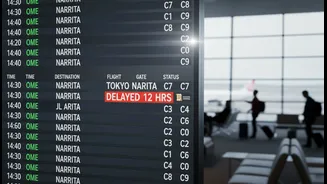
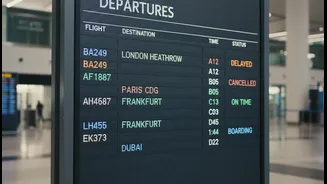
A buffer isn't just about money; it's also about time. In an era of frequent delays, booking itineraries with tight connections is a significant gamble. When planning multi-leg journeys, always factor in extra time between flights. A delay of just 60 minutes on your first leg can cause you to miss your connecting flight, leading to stress and added expense. For important trips, consider flying in the night before rather than on the day of your meeting or event. This logistical cushion absorbs the impact of most common delays, ensuring you arrive at your destination with time to spare and without the frantic stress of a last-minute rush.