





The Old Rule vs. The New Reality
Traditionally, most of India's famed national parks and tiger reserves, including major names like Corbett, Ranthambore, and Kanha, would close their core tourism areas from around June or July until September or October. This annual closure serves multiple
purposes: it allows the forest tracks, which become muddy and impassable, to be repaired; it gives the ecosystem time to rejuvenate without human interference; and it coincides with the crucial breeding season for many wildlife species. While these core zones still largely adhere to the seasonal shutdown, a significant shift has occurred. A growing number of reserves are now keeping their buffer zones—the areas bordering the core forest—open for tourism. This change allows wildlife enthusiasts to experience the jungle in its most vibrant, verdant state, an opportunity that was previously unavailable.
Where to Go for a Monsoon Safari
Several premier wildlife destinations now offer monsoon safaris, though access is typically limited to specific gates or zones. In Rajasthan, Ranthambore National Park keeps zones 6 through 10 open, which are buffer areas known for their scenic beauty during the rains. Similarly, in Uttarakhand, while the main zones of Jim Corbett National Park close, areas like Jhirna, Dhela, and Sitabani remain accessible for jeep safaris. In Central India, Maharashtra has been a frontrunner. Tadoba-Andhari Tiger Reserve and Pench National Park both keep their buffer zones open for tourism, providing continued opportunities for wildlife spotting. In fact, following a positive response, authorities in Maharashtra have decided to keep all buffer zone gates across its tiger reserves open during the monsoon. Further south, Kerala's Periyar Tiger Reserve is a notable exception, as it remains open year-round, with boat safaris on the lake offering a unique way to see elephants and other animals.
What to Expect on a Rainy Season Safari
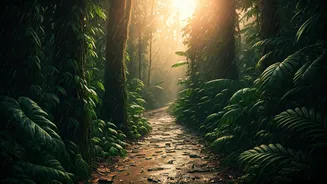
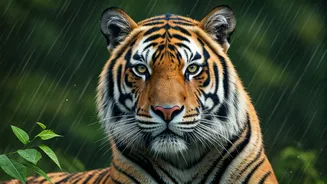
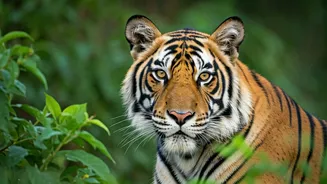
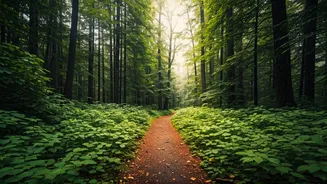
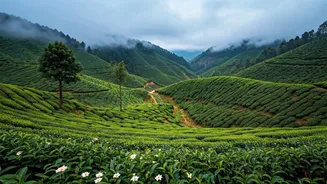
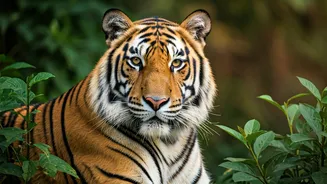
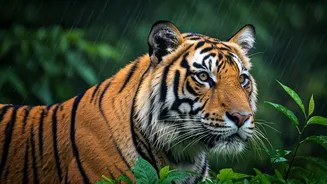
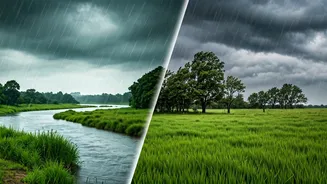
A monsoon safari is a world away from the dusty, dry-season experience. The forest transforms into a lush, green paradise, with overflowing streams and dramatic, cloudy skies that are a photographer's dream. The air is fresh, and with fewer tourists, the experience is often more peaceful and intimate. However, visitors should manage their expectations. The dense foliage can make spotting wildlife, particularly elusive predators like tigers, more challenging. Sightings are still possible, especially in buffer areas where animal movement continues, but the safari becomes more about appreciating the rejuvenated landscape and the overall forest atmosphere. You are likely to see herbivores like deer and sambar enjoying the fresh vegetation, as well as a rich variety of birdlife.
Planning Your Monsoon Wildlife Trip
If you're planning a monsoon safari, booking in advance is still crucial as safari permits, even for buffer zones, are limited. Be prepared for the weather. Pack lightweight waterproof clothing, insect repellent for leeches and mosquitoes, and waterproof bags for your electronics and camera gear. It is also important to be flexible; heavy rainfall can make tracks unsafe, leading to last-minute cancellations or changes in safari routes for safety reasons. Many hotels and resorts near the parks offer attractive discounts during this 'off-season', making it a more budget-friendly time to travel. Before you book anything, always check the official park website or with a reliable tour operator for the most current information on which zones are open, as regulations can change based on local conditions.