






The Rise of a Humble Superfood
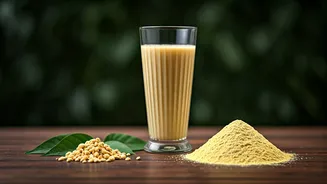
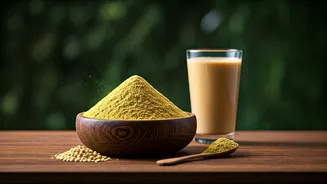
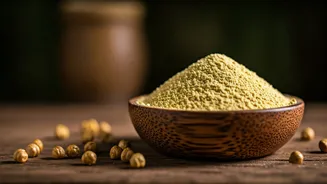
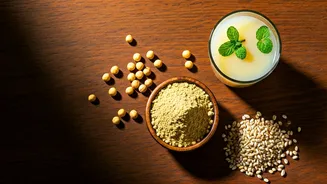
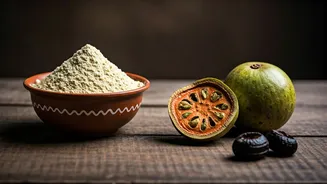
For generations, Sattu has been a staple in states like Bihar, Jharkhand, and Uttar Pradesh. Known as the 'poor man's protein,' this unassuming flour is made by dry-roasting grams (chana) and then grinding them into a fine powder. This simple process
preserves the nutrients, creating a powerhouse of plant-based protein, fibre, and essential minerals. Traditionally, it was consumed by farmers and labourers as a cooling, energy-sustaining drink to endure long, hot workdays. Today, this very simplicity is its greatest strength. As consumers become more wary of hyper-processed foods and lengthy ingredient lists, Sattu is being rediscovered by a new generation of health-conscious Indians, from fitness enthusiasts to busy professionals looking for a clean source of energy.
What's in a Commercial Shaker?
Walk down any health food aisle, and you'll find shelves lined with brightly packaged tubs of protein powders and performance drinks. The most common of these are whey or casein-based, derived from milk. While effective for muscle-building, they often come with a host of additives. These can include artificial sweeteners like sucralose or aspartame, thickeners like xanthan gum, anti-caking agents, and synthetic flavours to make them palatable. Energy drinks are a different beast altogether, often relying on high doses of caffeine and sugar for a quick, but temporary, burst of energy, which can lead to a subsequent crash. The appeal is convenience, but the trade-off is often a cocktail of artificial ingredients that stray far from whole foods.
Sattu vs. The Scoop: A Nutritional Showdown
When placed side-by-side, the comparison is revealing. A 100g serving of Sattu typically provides around 20-25g of high-quality plant-based protein, making it comparable to many commercial plant protein powders. But its benefits don't stop there. It's also packed with around 10-15g of dietary fibre, which aids digestion, promotes satiety, and helps regulate blood sugar. This is a significant advantage over most whey proteins, which contain little to no fibre. Furthermore, Sattu is a low-glycemic index food, meaning it releases energy slowly and steadily, preventing the spikes and crashes associated with sugary energy drinks. It’s also rich in minerals like iron, manganese, and magnesium, which are crucial for energy production and muscle function.
Beyond the Gym: Holistic Benefits
While the protein content makes Sattu a great post-workout recovery drink, its benefits are far more holistic. Its most celebrated traditional use is as a natural coolant. A glass of Sattu sherbet is incredibly effective at hydrating the body and preventing heatstroke during India’s scorching summers. The high fibre content not only keeps you full but also acts as a natural detoxifier, cleansing the colon and improving gut health. For those managing their weight, the combination of protein and fibre makes Sattu an excellent meal replacement or snack, promoting fullness and reducing overall calorie intake. It's a functional food that supports the body in multiple ways, a concept often missing from single-purpose commercial supplements.
Making the Switch: How to Use Sattu
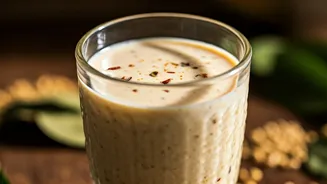
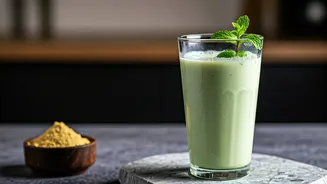
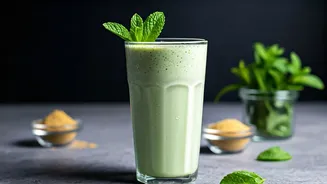
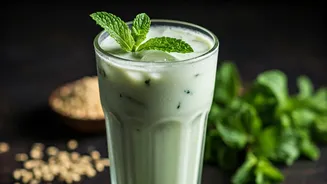
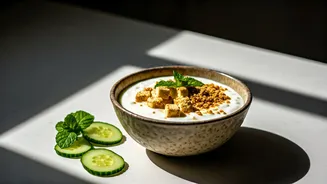
Incorporating Sattu into your diet is incredibly easy and versatile. The most common method is a simple drink. For a savoury version, mix a few tablespoons of Sattu with water, a squeeze of lemon, black salt (kala namak), and roasted cumin powder for a refreshing, electrolyte-replenishing drink. For a sweet take, blend Sattu with water or milk, a bit of jaggery or honey, and a pinch of cardamom. Beyond drinks, Sattu can be used to make parathas, ladoos, or even added to soups and gravies as a natural thickener, boosting their nutritional profile. This versatility makes it far more than just a pre-or post-workout supplement; it’s a genuine culinary ingredient that can seamlessly become a part of your daily meals.