





The Vertical Garden Advantage
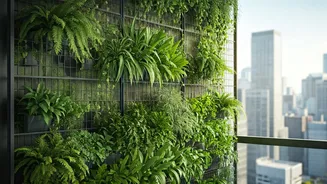
In cities like Mumbai, Bengaluru, and Delhi, space is the ultimate luxury. A traditional garden is a distant dream for most apartment dwellers, and even a few pots can quickly clutter a small balcony. This is where vertical gardens come in. A vertical garden is a method
of growing plants on a vertically suspended panel, which can be freestanding or attached to a wall. By growing upwards, you multiply your planting area without sacrificing precious floor space. It’s an efficient, modern solution that transforms a blank wall into a living, breathing work of art. Not only does it add immense aesthetic appeal, but it also improves air quality, reduces ambient temperature, and offers a therapeutic connection to nature right outside your window.
Why Indoor Grids for an Outdoor Balcony?
Here lies the clever trick. The headline specifies using *indoor* vertical garden grids. Why not outdoor ones? The answer is about design, flexibility, and cost. Indoor systems are often lighter, more modular, and aesthetically cleaner than their heavy-duty outdoor counterparts. They are designed with home interiors in mind, meaning they are easy to assemble and often feature sleek, minimalist designs that look great on a protected or semi-covered balcony wall. Many are made from durable plastics or powder-coated metals that hold up surprisingly well against the elements, especially on balconies that aren't fully exposed to direct rain and harsh sun. This approach gives you more design choices and makes the project less intimidating and more affordable.
Choosing Your Grid System
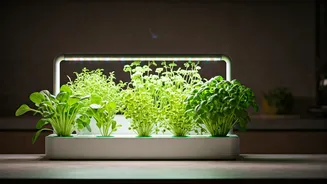
When shopping for a vertical grid system, you'll find a few common types. The most popular are pocket planters made from felt or fabric, which are great for beginners. Then there are modular plastic panels with individual pots that click into a frame, offering more structure and easier plant rotation. Finally, you have metal grids (or ‘trellis’ systems) where you hang individual pots. For a typical Indian apartment balcony, the modular plastic systems are often the best bet. They offer good drainage, prevent water from running down your wall, and are robust enough to handle the climate. Look for systems with a built-in irrigation option if you travel often, or simply choose one that allows for easy manual watering. Check online marketplaces and local nurseries; the variety available in India has grown exponentially.
The Perfect Plant Palette for India
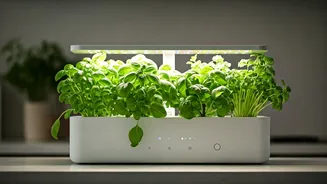
The success of your vertical garden hinges on choosing the right plants. Your balcony’s orientation is key. Does it get the harsh afternoon sun or the gentle morning light? For sunny balconies, consider succulents like sedums, hardy flowering plants like portulaca (table rose), and herbs like rosemary and curry leaves (kadi patta). For semi-shaded balconies, you have a wealth of options: money plants (pothos), spider plants, syngonium, and most ferns thrive in these conditions. Want an edible garden? Mint (pudina), basil (tulsi), coriander (dhania), and even cherry tomatoes can do wonderfully in vertical pockets with enough light. Start with low-maintenance, hardy plants to build your confidence before moving on to more demanding varieties.
Installation and Ongoing Care
Setting up your grid is usually straightforward. Most systems come with instructions and mounting hardware. Ensure the wall you’re mounting it on can take the weight—a fully watered garden is heavy! If you're renting, consider a freestanding vertical planter instead. Once installed, fill the pockets or pots with a lightweight potting mix, not heavy garden soil. Water your plants based on their needs, which will be more frequent in a vertical setup as the soil dries out faster, especially during hot summers. Check for pests regularly. During the monsoon, ensure your system has excellent drainage to prevent waterlogging and root rot. A little bit of weekly attention is all it takes to keep your vertical paradise looking lush and vibrant.