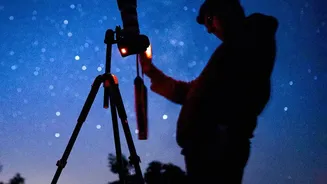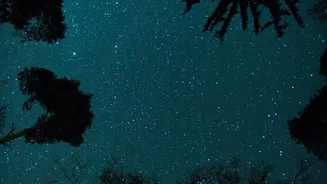






Tired of city skies where only a handful of stars dare to shine? India's majestic mountains offer a breathtaking escape into darkness, revealing a universe brimming with celestial wonders, from the Milky Way to distant galaxies.
Hanle, Ladakh: India's Celestial Crown Jewel
Deep in Ladakh’s Changthang
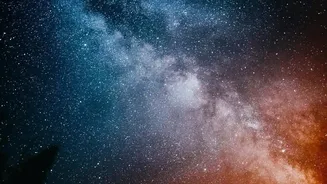
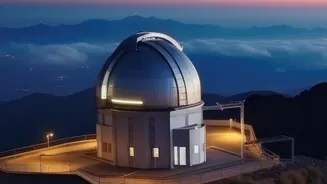
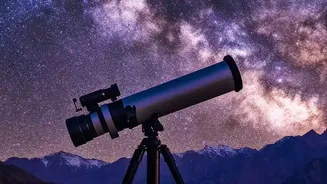
region, Hanle is arguably the best stargazing site in India. Its secret lies in a rare combination of factors: an altitude of over 4,500 metres, bone-dry air, and virtually zero light pollution. This location is so pristine that it is home to the Indian Astronomical Observatory and was officially designated as India's first Dark Sky Reserve in 2022. On a clear, moonless night here, the Milky Way is not just a faint band but a brilliant, structured river of light that stretches across the entire sky. The reserve, which covers a 22-kilometre radius, ensures that local villages manage lighting to protect the darkness, making it a globally significant site for astro-tourism. For travellers, this means an unparalleled opportunity to see celestial objects with startling clarity, often guided by local villagers trained as astronomy ambassadors.
Spiti Valley, Himachal Pradesh: A High-Altitude Desert Canvas
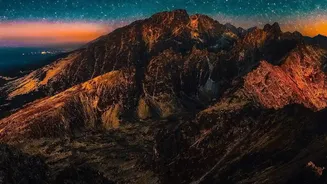
Often called a 'cold desert', Spiti Valley in Himachal Pradesh offers some of the planet's most spectacular night skies. Situated at an average altitude of 12,500 feet, the region is shielded from monsoon clouds and urban haze, providing a high-definition viewing experience. Its minimal humidity and lack of light pollution grant it a Bortle Class 1-2 rating, the darkest possible. Villages like Langza, Komic, and Kibber are prime spots for stargazers. Langza, with its iconic Buddha statue, offers a stunning foreground for Milky Way photography, while Komic, one of the world's highest motorable villages, provides an unobstructed horizon. The best viewing season is from May to October, especially around the new moon when the sky's full splendour is revealed.
Nainital, Uttarakhand: Science Meets Scenery
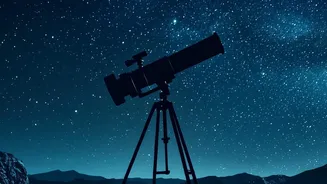
While more accessible than Ladakh or Spiti, Nainital offers a unique blend of a charming hill station and serious astronomy. The town is home to the Aryabhatta Research Institute of Observational Sciences (ARIES), perched atop Manora Peak at an altitude of 1,951 metres. The observatory's location was chosen specifically for its clear skies, away from major city pollution. While ARIES is a working research facility, it often opens its doors to the public for scheduled night viewing sessions, allowing visitors to peer through powerful telescopes. This provides a chance not just to see the stars but to learn about them from experts. For the best experience, plan a visit on a clear, moonless night and be sure to check the observatory's public access schedule in advance.
Coorg, Karnataka: The Western Ghats' Dark Secret
Proving that the Himalayas don't have a monopoly on clear skies, Coorg in the Western Ghats is a fantastic destination for stargazers in South India. Nestled among coffee and spice plantations, its high altitude (900–1,700 metres) and significant forest cover create pockets of darkness far from city lights. The darkest skies are found in the southern parts of the district, particularly near the Brahmagiri Wildlife Sanctuary, with some areas achieving a Bortle Class 2 rating. Spots like Tadiandamol, Coorg's highest peak, and the quieter grasslands around Mandalpatti offer breathtaking celestial panoramas. The best time to visit is during the dry season from November to May, with the window from February to May being ideal for viewing the core of the Milky Way.