






From Grandma’s Kadha to Gourmet Broth
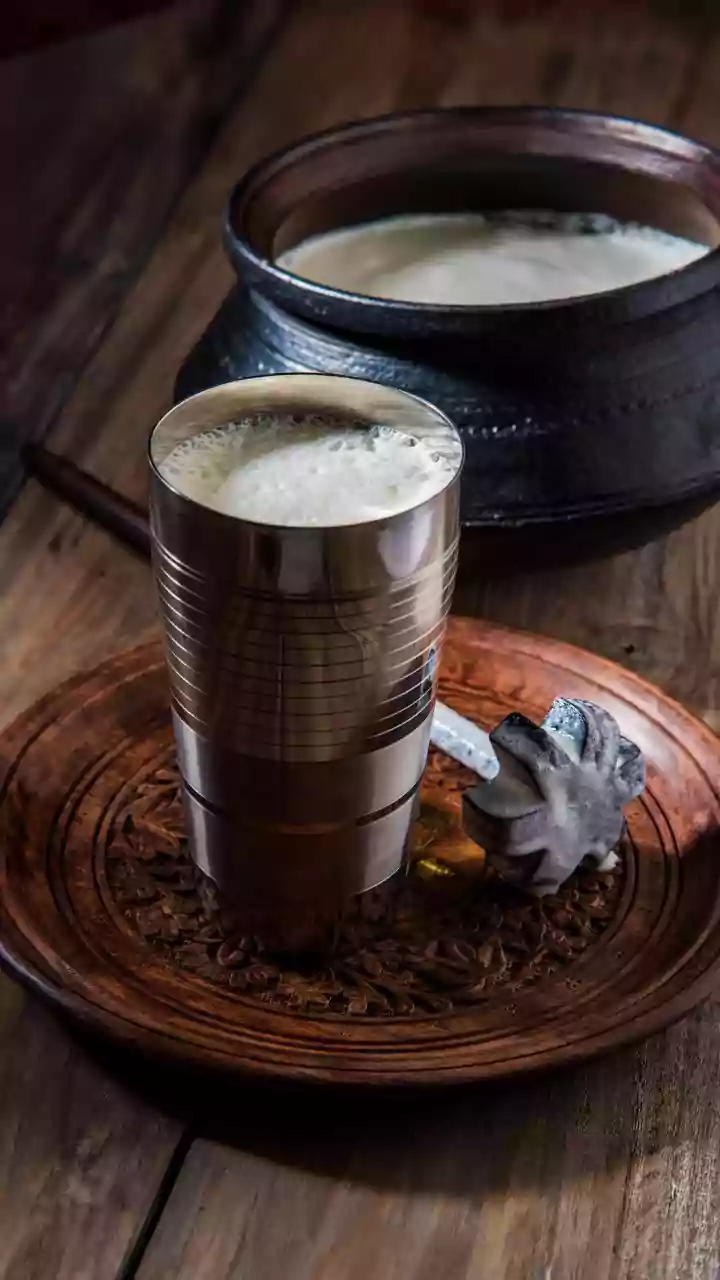
For generations, Indian households have relied on traditional remedies for common ailments. Think of a steaming cup of 'kadha' (a herbal decoction) for a cough, or a tangy 'rasam' to aid digestion. These concoctions, rooted in Ayurvedic principles, were
the original functional foods—brewed not for taste, but for healing. Rasam, a South Indian staple literally meaning "essence," is a light, peppery soup made from tamarind, tomatoes, and spices, often served to boost immunity. Similarly, countless variations of kadha exist, typically featuring ingredients like ginger, tulsi, turmeric, and black pepper, simmered to create a potent elixir. These were beverages of comfort and cure, deeply embedded in family life and traditional wisdom.
The Modern Café Makeover
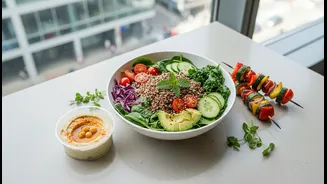
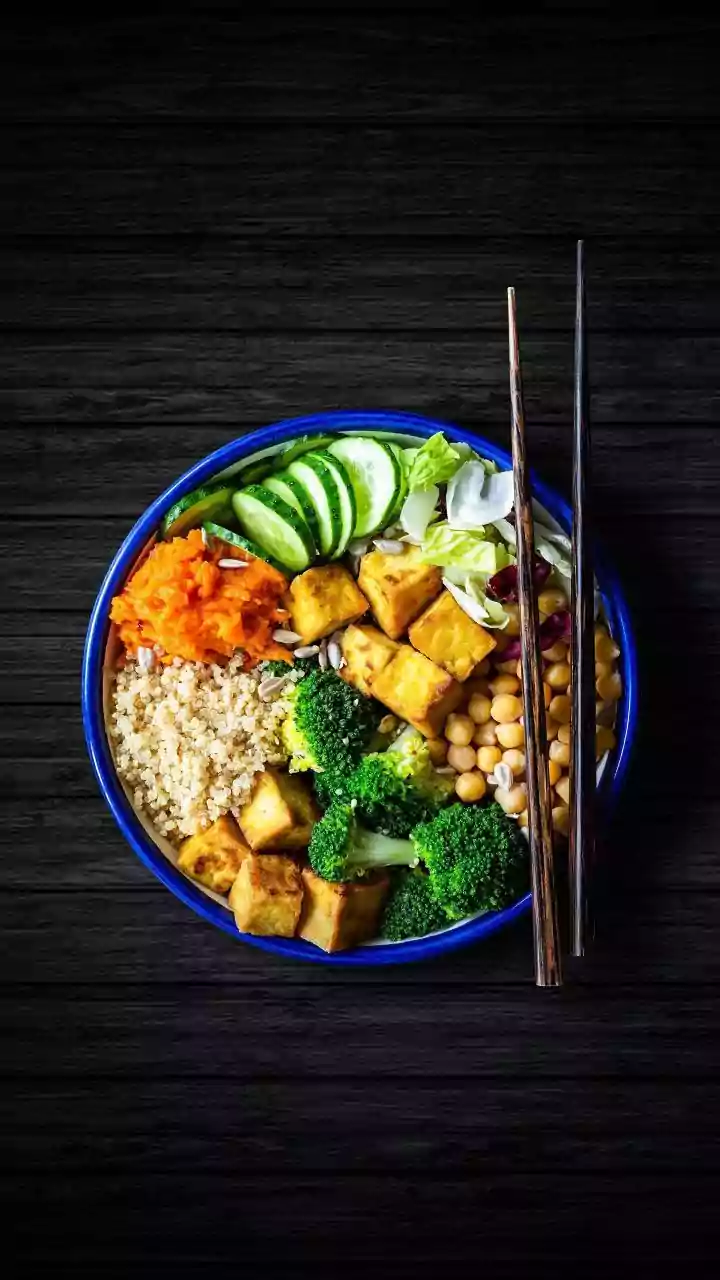
Now, innovative chefs and wellness-focused entrepreneurs are giving these traditional drinks a contemporary twist. They are being re-engineered, repackaged, and presented as sophisticated soup bases, wellness broths, and healing elixirs on café menus. At places like Café Swasthya in Gurugram, the menu is inspired by Ayurvedic principles, offering meals and drinks tailored to individual body types, or 'doshas'. This includes Ayurvedic teas, healthy wraps, and even custom-spiced buttermilk. Another example is Soma in Delhi, which serves slow-cooked soups and other dishes that blend ancient wellness with contemporary flair, like using ragi for pav bread. The transformation involves more than just a name change; it’s about refining the flavour profile for a modern palate. This might mean balancing the bitterness of certain herbs, using premium, organic ingredients, and presenting the final product in a chic soup bowl rather than a simple steel tumbler.
A Sip of a Global Trend
This movement is part of a larger global shift towards wellness and holistic health. The international rise of 'bone broth' as a superfood, hailed for its collagen and mineral content, set the stage. People are increasingly seeking out natural, functional foods that offer benefits beyond basic nutrition. In India, this global trend finds a natural partner in Ayurveda's rich heritage. Consumers are looking for clean, natural remedies and are drawn to products rooted in Indian tradition. Cafes are tapping into this by marketing these traditional recipes as India's answer to the global broth trend—a familiar, trusted solution for modern-day stresses and health concerns. They are positioned as immune-boosters, digestive aids, and detoxifying agents, aligning perfectly with the priorities of health-conscious urbanites.
Balancing Tradition and Commerce
While this trend celebrates Indian culinary heritage, it also walks a fine line between authentic homage and commercialization. The key is in the approach. Successful ventures are those that respect the science behind the original recipes. For instance, Ayurveda emphasizes concepts like 'Agni' (digestive fire) and eating according to one's dosha, which some cafes are thoughtfully incorporating. The goal isn't to simply create something for the sake of it, but to understand why certain ingredients were traditionally paired together. While a purist might argue that a kadha loses its essence when turned into a trendy café item, culinary innovators see it as evolution. They are making ancient wisdom accessible and appealing to a new generation that might not brew these concoctions at home but is happy to order a 'wellness broth' with their lunch.