







The Rain Finally Arrives
The southwest monsoon officially entered Rajasthan on Thursday, July 2nd, about a week later than its usual onset date of June 25th. After a period of anticipation that had farmers anxiously watching the skies, the rains have begun sweeping across the eastern
and southeastern parts of the state. The India Meteorological Department (IMD) has confirmed that the monsoon has covered at least 16 districts, including parts of the Jaipur, Kota, and Udaipur divisions, bringing widespread relief from the intense summer heat. While the arrival is delayed, forecasts predict an active monsoon spell over the next week, with conditions ripe for it to advance into the remaining parts of the state soon.
A Different Shade of Rajasthan
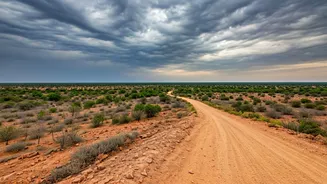
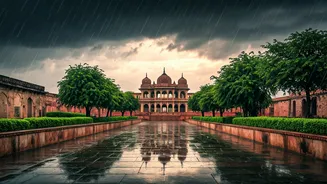
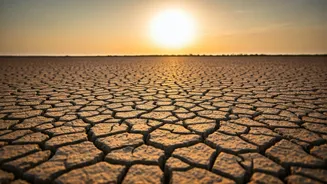
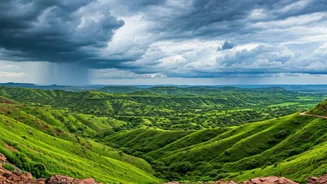
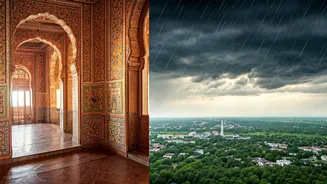
For travellers, the monsoon transforms Rajasthan from an arid, sun-baked canvas into a surprisingly lush and green paradise. The Aravalli hills, which form the spine of the state, shed their brown coat for a vibrant emerald one. This is especially true in areas like Udaipur, Mount Abu, Kumbhalgarh, and Bundi. Lakes and reservoirs, many of which were shrinking in the heat, are now beginning to fill, creating sparkling, reflective cityscapes, particularly in Udaipur, the famed 'City of Lakes'. The rain washes the dust from the air and heritage monuments, offering dramatic, cloud-filled skies that are a photographer's dream. It’s a chance to see a side of Rajasthan that defies its desert stereotype.
The Pros and Cons of a Monsoon Trip
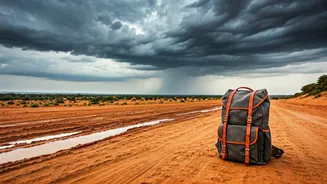
Visiting during the monsoon has significant advantages, chief among them being fewer crowds and lower prices. The July to September period is considered the off-season, meaning hotel rates can drop substantially. You can explore majestic forts and palaces in relative peace. However, there are trade-offs. Humidity can be high, which some may find uncomfortable. While rainfall is often in short, intermittent bursts rather than a constant downpour, it can occasionally be heavy. This may lead to temporary roadblocks on rural routes, and some outdoor activities, like desert safaris in Jaisalmer or core zone trips in wildlife sanctuaries like Ranthambore, may be suspended.
Where to Go and What to Pack
The key to a successful monsoon trip is choosing the right destinations. The Aravalli belt is where the transformation is most magical. Udaipur, with its brimming lakes and the famous Monsoon Palace (Sajjangarh), is a top pick. Mount Abu, Rajasthan's only hill station, becomes misty and exceptionally green. The lesser-known gem of Bundi, with its more than 50 stepwells, comes alive as they fill with water. While western desert areas like Jaisalmer won't turn green, they offer cooler temperatures and quiet streets. When packing, think quick-dry clothing, a reliable umbrella, and sturdy, water-resistant footwear. Don't forget insect repellent, as mosquitoes are more common during this season. Planning for flexibility in your itinerary is always a wise move.