

The Sweetness of Togetherness
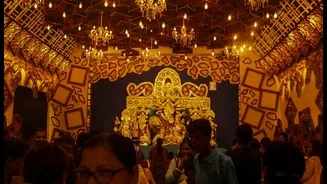
Bijoya Dashami marks the triumphant end of Durga Puja. According to tradition, it is the day Goddess Durga vanquishes the demon Mahishasura. For Bengalis, this victory translates into a period of warm social visits known as 'Bijoya Sammilani'. For days,
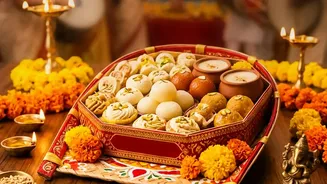
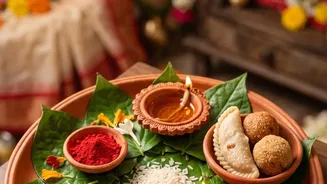
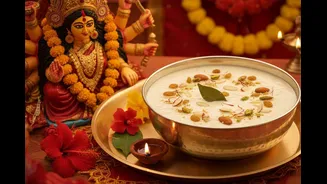
friends and relatives visit each other’s homes to exchange greetings. The custom involves younger ones touching the feet of elders to seek blessings, followed by a warm embrace. But no Bijoya gathering is complete without the offering of food. Platters laden with homemade sweets and savouries are central to this tradition, symbolising hospitality and the sweetness of reunion.
The Undisputed Salty Staple
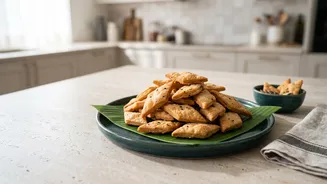
Amidst a dazzling array of sweets like Roshogolla, Pantua, and Narkel Naru (coconut sweets), one savoury snack holds its ground with quiet confidence: the nimki. This diamond- or triangle-shaped, deep-fried cracker is deceptively simple. Made from little more than flour (maida), salt, oil, and often flavoured with nigella seeds (kalo jeere), its magic lies in its texture. A perfectly made nimki is flaky, crispy, and has a satisfying crunch that makes it utterly addictive. It is the quintessential tea-time snack in Bengal year-round, but during Bijoya, its presence becomes almost mandatory.
A Taste of Tradition and Practicality
So, why has nimki remained such a steadfast part of the celebration? The answer is a blend of cultural nostalgia and sheer practicality. Firstly, it offers a much-needed savoury counterpoint to the onslaught of sweets that defines Bijoya. Secondly, nimki has a long shelf life. In anticipation of a steady stream of guests, families would prepare large batches days in advance, storing them in airtight containers. This made it an efficient and reliable option for hosts. Furthermore, its simple, unchanging recipe provides a sense of continuity. In a world of evolving tastes, the familiar crunch of a nimki is a direct link to the Bijoya gatherings of childhood, a taste of home that remains constant through generations.
Sweet and Savoury Companions
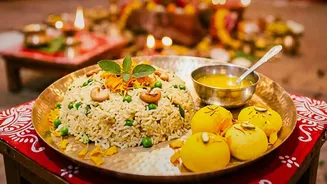
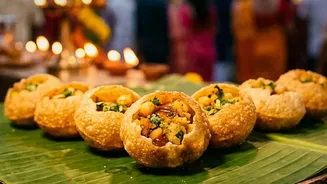
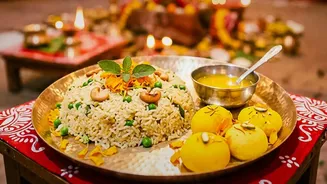
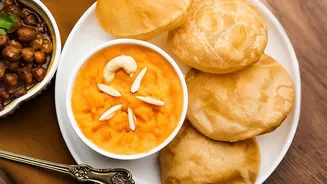
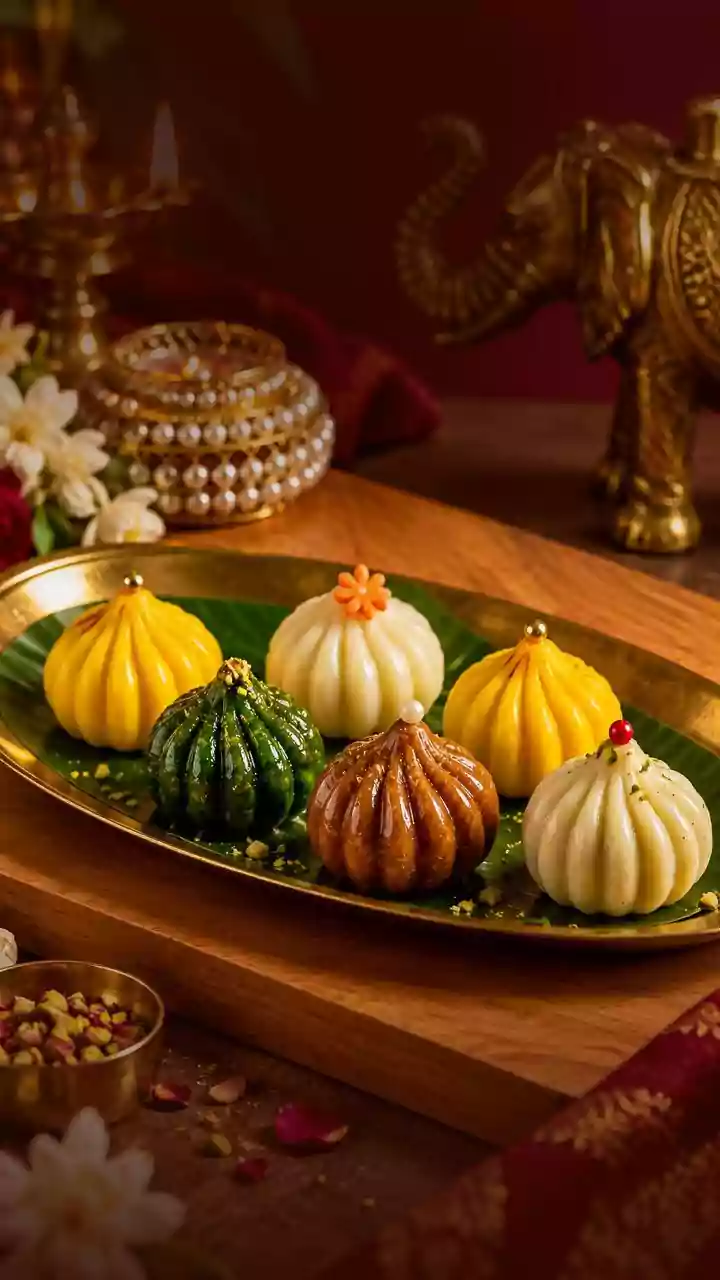
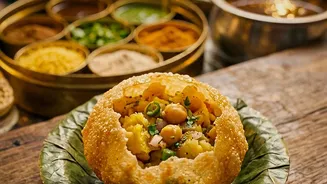
While nimki may be the star, it is always accompanied by a stellar supporting cast. No festive platter is complete without Ghugni, a hearty curry made from dried yellow peas, garnished with onions and spices. It can be enjoyed on its own or with fluffy luchis (deep-fried flatbreads). On the sweeter side, Naru is a must-have. These are small, round sweets, most famously made with either coconut and jaggery (Gurer Naru) or sesame seeds (Tiler Naru). Another popular savoury item is the Shingara (the Bengali samosa), often filled with a spiced mixture of potatoes, cauliflower, and peas.
A Symphony of Flavours
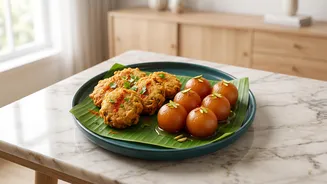
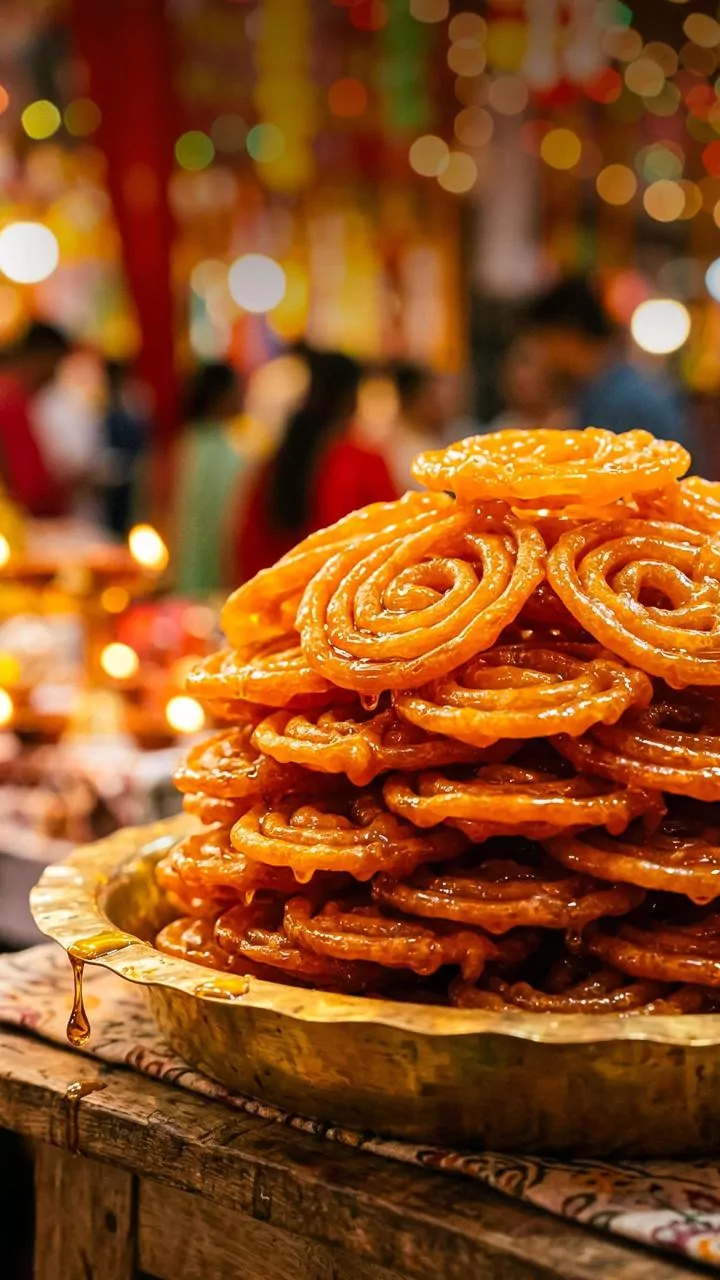
Beyond the most common offerings, the variety can be endless, reflecting a family's unique traditions. You might find trays of Goja, a sweet, flaky, and syrupy pastry, or Pantua, which is similar to a gulab jamun but made from chhana (fresh cottage cheese) and deep-fried before being soaked in syrup. Some households prepare elaborate chops (cutlets) with beetroot or minced meat. For those who prefer something less sweet than a Naru, there is the delicate Sandesh, a sweet made purely from chhana and sugar, often moulded into beautiful shapes. Each item, whether savoury or sweet, adds another note to the symphony of flavours that makes these gatherings so memorable.