



The National Weather Picture
The India Meteorological Department (IMD) has forecast that rainfall in September will likely be below normal across the country. After a significant deficit in August, this pattern is expected to continue, influenced by the El Niño phenomenon. Cumulatively,
from June 1 to August 31, the country has already seen a rainfall deficit of 14%. This translates to less rain, more sun, and higher than average temperatures for most regions as the monsoon season comes to a close. While this might sound like good news for tourists, it carries underlying concerns, particularly regarding water availability.
For the Mountains: Clearer Skies, Potential Water Woes
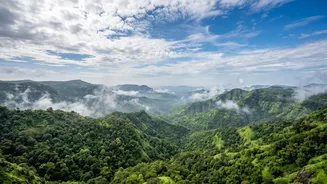
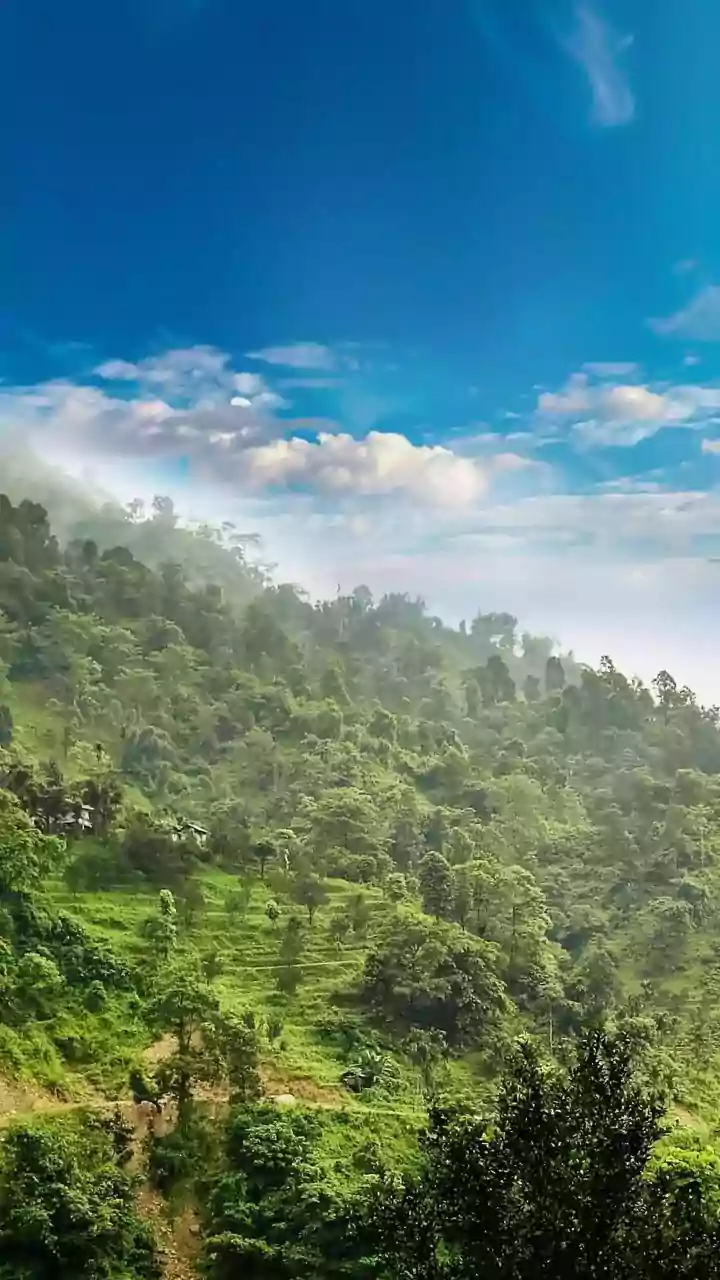
In Himalayan destinations like Himachal Pradesh and Ladakh, a weaker monsoon can be a blessing. September often brings clearer blue skies and stunning visibility, ideal for photography and sightseeing. With less rain, the risk of landslides on crucial access roads like the Manali-Leh highway is reduced, making for safer travel. However, the flip side of a dry spell is the growing strain on water resources. Tourist hubs in the Himalayas are already vulnerable to water stress, which is magnified by tourist influx and less rainfall to replenish sources. Travellers should be prepared for colder nights and be mindful of local water usage.
Coastal Getaways: Goa and Kerala
For popular beach destinations like Goa, September is a transitional month. The heavy rains of July and August typically begin to subside, making way for more sunshine. A drier-than-usual September could mean the sea calms down earlier and more beach shacks open sooner than expected, especially towards the end of the month. However, the lush greenery that the monsoon is famous for might be less vibrant. While the weather may be more favourable for beach activities, the overall monsoon magic might feel diminished. Early September can still see rough seas, so swimming advisories should be heeded.
The Plains and Golden Triangle: Easier Travel
For those exploring the Golden Triangle (Delhi, Agra, and Jaipur) and other parts of Rajasthan and the northern plains, less rain means fewer travel disruptions. You can expect reduced humidity, more comfortable sightseeing conditions, and a lower chance of weather-related delays. While a new weather system is bringing some rain to parts of Uttar Pradesh and Madhya Pradesh in early September, the broader forecast for Peninsular and Northwest India points to subdued rainfall. This makes it a great 'shoulder season' to visit monuments and cities before the peak tourist rush begins in October, often with more competitive hotel rates.
What Travellers Need to Know
The biggest unseen challenge of a weak monsoon is its impact on water availability. With reservoirs not fully replenished, some areas may face water shortages. This can affect hotels and local communities in tourist-heavy regions. Travellers should confirm bookings and perhaps inquire about water situations with their accommodation providers, especially in smaller towns or eco-resorts. Packing should include layers for fluctuating temperatures—warm days and potentially cool nights—and it's still wise to carry a light rain jacket for occasional showers, particularly in the early part of the month. Always check local and regional forecasts before and during your trip, as conditions can change.