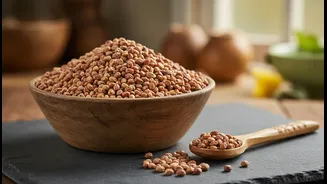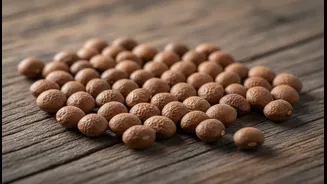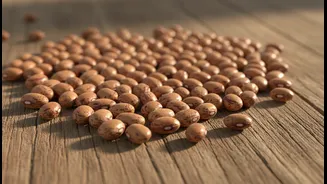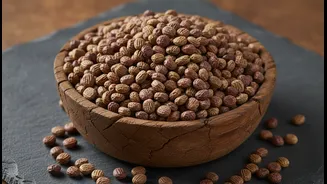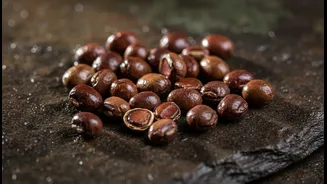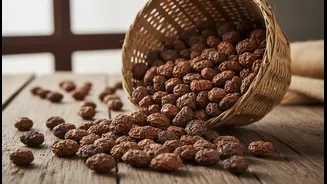





What is Horse Gram?
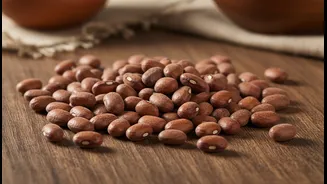
Known as kulthi in Hindi, kollu in Tamil, and hurali in Kannada, horse gram (Macrotyloma uniflorum) is a small, hardy lentil that has been cultivated in India for thousands of years. Historically used as fodder for cattle and horses—which is where it
gets its name—this legume is a nutritional giant. It's a drought-resistant crop, making it a sustainable and important food source, especially in the arid and semi-arid regions of southern India. While it was once considered 'poor man's food', there's a growing interest in bringing this superfood back to the modern Indian table for its incredible health benefits and unique, earthy flavour.
A Nutritional Powerhouse
The renewed focus on horse gram is well-deserved, primarily for its impressive protein content. A 100-gram serving can contain between 22 to 25 grams of protein, making it one of the most protein-rich lentils available. This makes it an excellent dietary addition for vegetarians and anyone looking to increase their plant-based protein intake. Beyond protein, it is packed with both soluble and insoluble dietary fibre, which aids digestion and promotes a feeling of fullness. It is also a fantastic source of essential minerals like iron, calcium, and phosphorus. Its high iron content is particularly beneficial for combating anaemia, while the combination of nutrients supports overall energy and well-being.
How to Prepare Horse Gram
Horse gram has a tough outer seed coat, so proper preparation is key to making it digestible and delicious. The first step is always to rinse the grains thoroughly and pick out any small stones or debris. Soaking is essential. Place the rinsed horse gram in a large bowl with plenty of water and let it soak overnight, or for at least 8-12 hours. This softens the legume and reduces cooking time. For even greater nutritional benefit, you can sprout the soaked beans. After soaking, drain the water completely and place the beans in a strainer or tie them in a damp muslin cloth for 18-24 hours in a warm place until tiny tails emerge. Sprouting not only enhances the nutritional value but also makes the beans easier to digest.
Simple Ways to Cook with Horse Gram
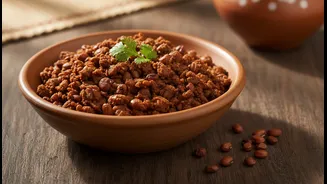
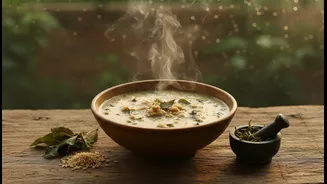
Once soaked or sprouted, horse gram needs to be cooked until tender, which is best done in a pressure cooker. It typically takes about 30-40 minutes on low heat after the first whistle to become soft. The cooked beans retain a pleasant bite and don't turn mushy like other dals. The simplest way to enjoy it is as a dal. Sauté cooked horse gram with a classic tempering of mustard seeds, cumin, garlic, and onions for a hearty dish. The cooking liquid is highly nutritious and flavourful, and should not be discarded; it makes an excellent base for a peppery soup known as rasam. You can also make a dry stir-fry (sundal) by tossing the cooked beans with spices and fresh coconut, or use roasted horse gram flour to enrich rotis, dosas, and even smoothies.
A Taste of Tradition
Horse gram is a staple in many regional Indian cuisines, showcasing its versatility. In Karnataka, 'Huruli Saaru' is a popular rasam made from the stock of cooked horse gram, often served with a 'palya' or dry vegetable dish made from the beans themselves. Maharashtrian cuisine features 'Kulith Pithla', a thick, savoury porridge made from horse gram flour, which is especially comforting in winter. In Tamil Nadu, 'Kollu Rasam' is a traditional remedy for colds and coughs, valued for its warming properties. In the hills of Uttarakhand, it is slow-cooked to make 'Gahat ki Dal'. Exploring these traditional recipes is a wonderful way to connect with India's rich culinary heritage while enjoying a nutritious meal.