






Beyond the Usual Suspects
For a long time, the menus in many urban Indian restaurants felt interchangeable. Whether in Delhi, Mumbai, or Bengaluru, the offerings were reliably North Indian, specifically Punjabi and Mughlai, with a few pan-Asian and continental dishes thrown in.
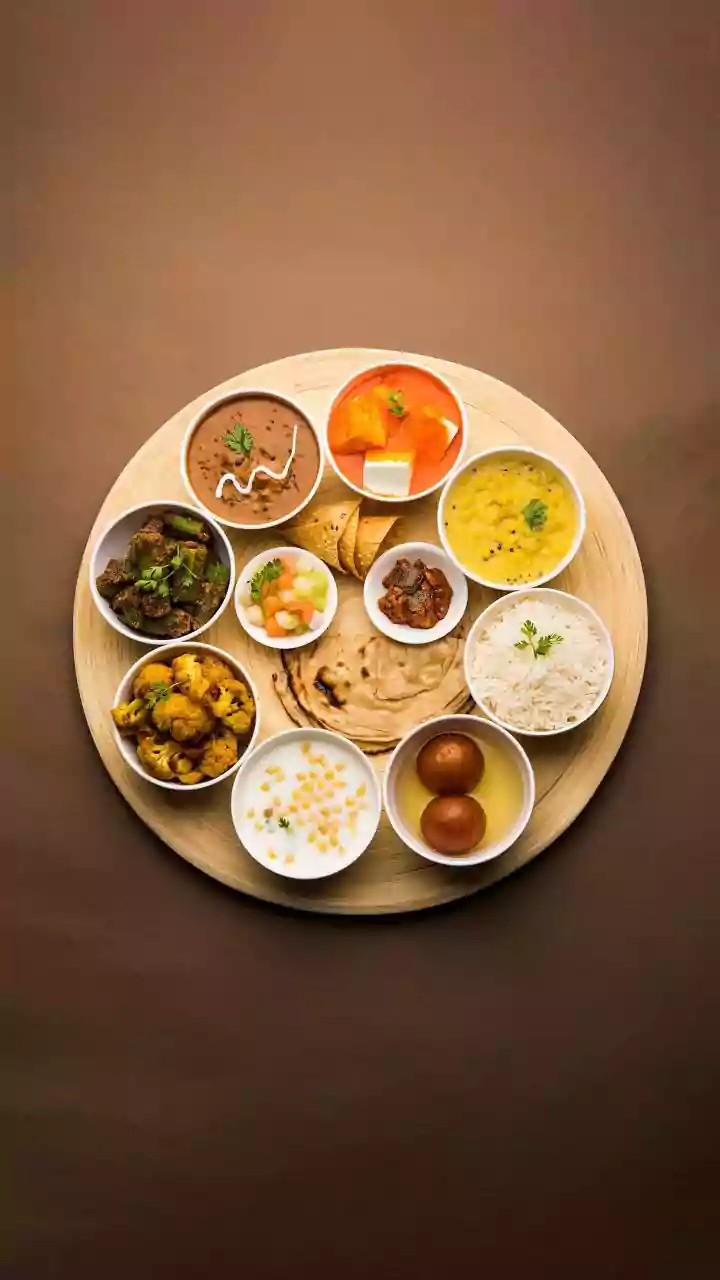
While beloved, this standardisation presented only a sliver of India's vast culinary landscape. Now, a growing number of chefs and restaurateurs are moving beyond this model, championing hyper-regional cuisines that tell a story of a specific place. From smoky Naga pork to fiery Chettinad curries and the subtle flavours of Garhwali food, these menus offer a journey on a plate, celebrating the country's true gastronomic diversity.
A Quest for Authenticity and Connection
So, what's driving this shift? A major factor is the modern diner's curiosity. Exposed to global food trends and local culinary stories through social media, people are actively seeking new and authentic experiences. They are tired of generic meals and crave food with a strong sense of identity and cultural roots. There is also a powerful element of nostalgia at play. For the millions who move to cities for work or education, a dish from their home region can be a powerful comfort, a taste of family and festival. Restaurants are tapping into this emotional connection, realising that a simple, well-made Bengali fish curry can have a stronger impact than a complex fusion dish.
Chefs as Culinary Archaeologists
This movement is being led by a new generation of chefs who see themselves as storytellers and preservationists. They are travelling to remote villages, learning from home cooks, studying ancient techniques, and reviving forgotten recipes. Chefs like Varun Totlani at Mumbai's Masque and Prateek Sadhu at Naar in Kasauli are delving into India's indigenous ingredients, highlighting everything from hardy millets to unique local herbs and wild vegetables. Their menus are not just lists of dishes but narratives about a region's history, agriculture, and traditions. This approach elevates regional food from 'simple' home cooking to a premium, fine-dining experience.
The Hyperlocal Advantage
Focusing on regional menus often goes hand-in-hand with a commitment to hyperlocal sourcing. By building relationships with local farmers and producers, restaurants can access fresher, more flavourful ingredients that are specific to their region. This not only improves the quality of the food but also supports local economies and promotes more sustainable agricultural practices. For diners, it means tasting ingredients at their seasonal peak and understanding the concept of 'terroir'—how the land, soil, and climate shape the flavour of food. It’s a farm-to-table philosophy that adds another layer of depth and meaning to the meal.
A Richer Dining Landscape
Ultimately, the rise of regional menus is a win for everyone. Diners get to expand their palates, discover new flavours, and connect more deeply with India's cultural heritage. Chefs get a vast, untapped library of culinary traditions to explore and innovate with. The dining landscape becomes more interesting, diverse, and representative of the country itself. It’s a shift from merely eating out to engaging in a cultural experience. The depth it brings comes from the stories behind the food, the history in each bite, and the celebration of an identity that is proudly, and deliciously, local.