

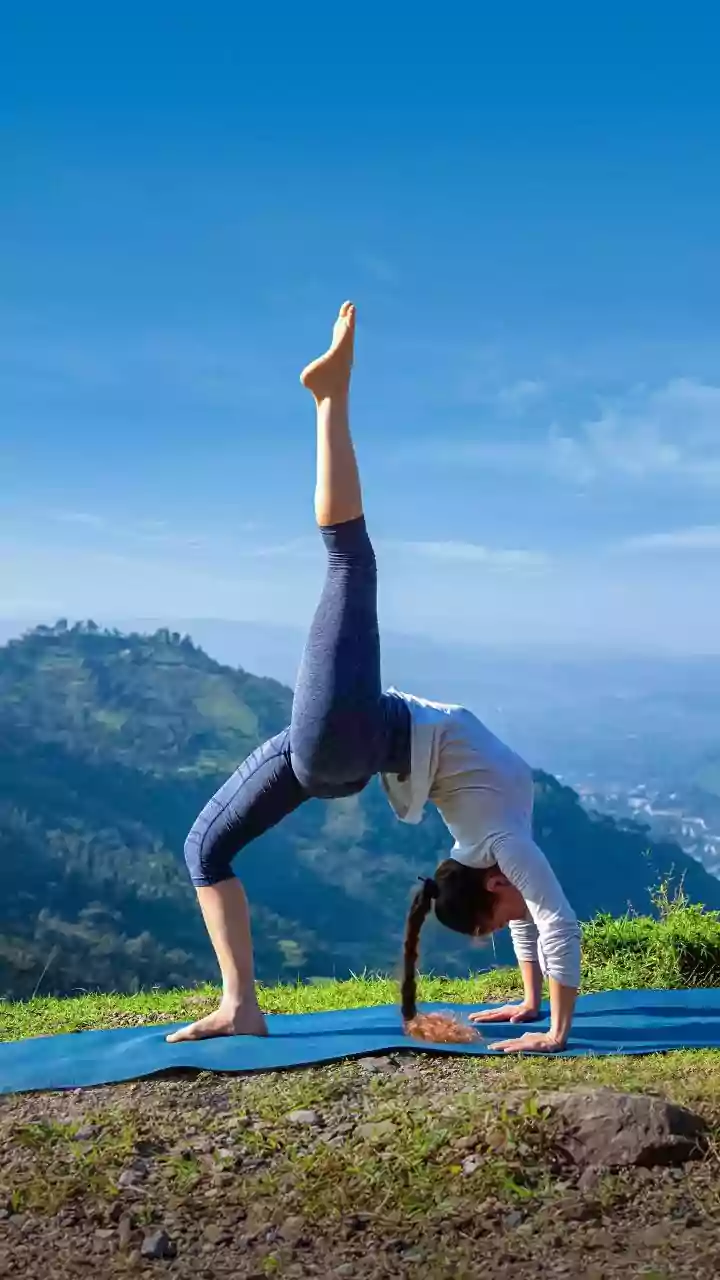


What is the Hidden Lotus Pose?
Gupta Padmasana, which translates from Sanskrit as 'Hidden Lotus Pose', is an advanced yoga posture that builds upon the classic Padmasana (Lotus Pose). It involves sitting in the full lotus position, then carefully leaning forward to rest the entire
torso and chin on the floor. The final expression of the pose often includes binding the hands behind the back, deepening the chest and shoulder opening. As the name suggests, the lotus-bound legs are 'hidden' beneath the body. This asana is not just a physical challenge; it symbolises turning inward and withdrawing from external distractions, making it a meditative posture that encourages inner peace and tranquillity.
The Crucial Role of Controlled Movement
The defining characteristic of successfully and safely achieving Gupta Padmasana is controlled movement. This is not a pose to be rushed or forced. As Shilpa Shetty demonstrated, the entire process, from getting into Padmasana to lowering the torso, requires immense core strength, balance, and body awareness. Each transition must be deliberate. Leaning forward on the arms, lifting the hips, coming to balance on the knees, and then slowly lowering the body is a sequence that demands patience. This mindful control is what prevents injury to the vulnerable joints involved—namely the hips, knees, and ankles—which are in a state of deep flexion and rotation.
The Physical and Mental Benefits
The rewards for practising such a demanding pose are extensive. Physically, Gupta Padmasana offers a profound stretch for the hips, knees, ankles, and pelvis. The forward-bend component helps to decompress the spine, while the binding of the arms opens up the chest and shoulders, counteracting the rounded posture many develop from sitting at desks. This can lead to improved overall posture. Mentally, the intense focus required calms the mind, reduces stress, and enhances concentration. The combination of physical discipline and mental stillness creates a state of flow, where breath and movement merge.
A Path to Progress: Preparation is Key
Attempting the Hidden Lotus Pose without adequate preparation is unwise. The journey begins with mastering the foundational Padmasana (Full Lotus), which itself requires significant hip flexibility. Before that, practitioners should be comfortable in preparatory poses like Ardha Padmasana (Half Lotus), Sukhasana (Easy Pose), and Baddha Konasana (Bound Angle Pose) to gradually open the hips. Strengthening the core is also essential for the control needed to lift and lower the body. A qualified yoga instructor can provide the necessary guidance to build flexibility and strength progressively, ensuring the body is ready for the demands of this advanced asana.
Safety First: Who Should Avoid This Pose?
While aspirational, Gupta Padmasana is not suitable for everyone. As Shilpa Shetty herself cautioned, anyone with pain or existing injuries in the hips, knees, shoulders, ankles, or cervical spine should avoid this pose entirely. The deep flexion and rotation can exacerbate existing issues. Beginners should not attempt this posture; it is considered an intermediate to advanced asana for a reason. It's crucial to listen to your body and never force a position that causes pain. An alternative like Ardha Padmasana (Half Lotus) can offer similar meditative benefits without the same level of risk.