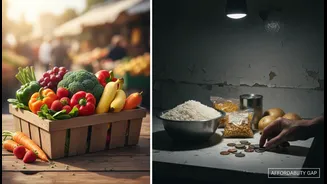








The Calorie and Nutrient Divide
At its core, a calorie is a unit of energy. Our bodies need this energy to function, from breathing to walking. For decades, the focus was on getting enough calories, especially in a country that has fought hard against food scarcity. However, nutrition
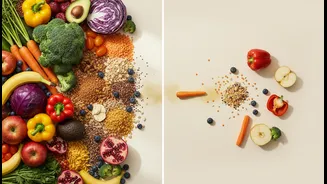
is a far more complex picture. Nutrients are the vitamins, minerals, proteins, fats, and carbohydrates that our bodies need to thrive, build tissues, and fight disease. A food can be high in calories but devoid of essential nutrients. Think of a sugary soft drink or a packet of fried chips; they provide a quick energy spike but offer little in the way of real nutritional value. These are often called 'empty calories'. In contrast, a bowl of mixed vegetable dal provides similar energy but is packed with protein, fibre, vitamins, and minerals.
India's Shifting Plate
India is undergoing a 'nutrition transition'. Traditionally, Indian diets were rich in cereals, pulses, vegetables, and seasonal fruits—foods that were cooked at home. However, several factors are changing this. Rapid urbanisation, rising disposable incomes, and the pervasive influence of Western food culture have led to a significant dietary shift. The market is now flooded with convenient, ready-to-eat, and ultra-processed foods (UPFs). According to a WHO report, India's ultra-processed food sector saw a compound annual growth rate of 13.37% between 2011 and 2021. Studies show that an average Indian household now consumes more calories from processed foods than from fruits. This convenience comes at a hidden cost to our collective health.
The Double Burden of Malnutrition
This dietary shift is fuelling a paradoxical public health crisis known as the 'double burden of malnutrition'. This is where undernutrition and overnutrition coexist within the same population, sometimes even in the same household. While a significant portion of the population, particularly children, still suffers from stunting and wasting, there is a simultaneous and rapid rise in obesity and diet-related non-communicable diseases (NCDs). A diet high in 'empty calories' from ultra-processed foods is a primary driver of this trend. These foods, laden with unhealthy fats, sugar, and sodium, are directly linked to an increased risk of obesity, type 2 diabetes, heart disease, and hypertension. Recent estimates suggest that unhealthy diets are responsible for 56.4% of the total disease burden in the country.
Rethinking Our Food Choices
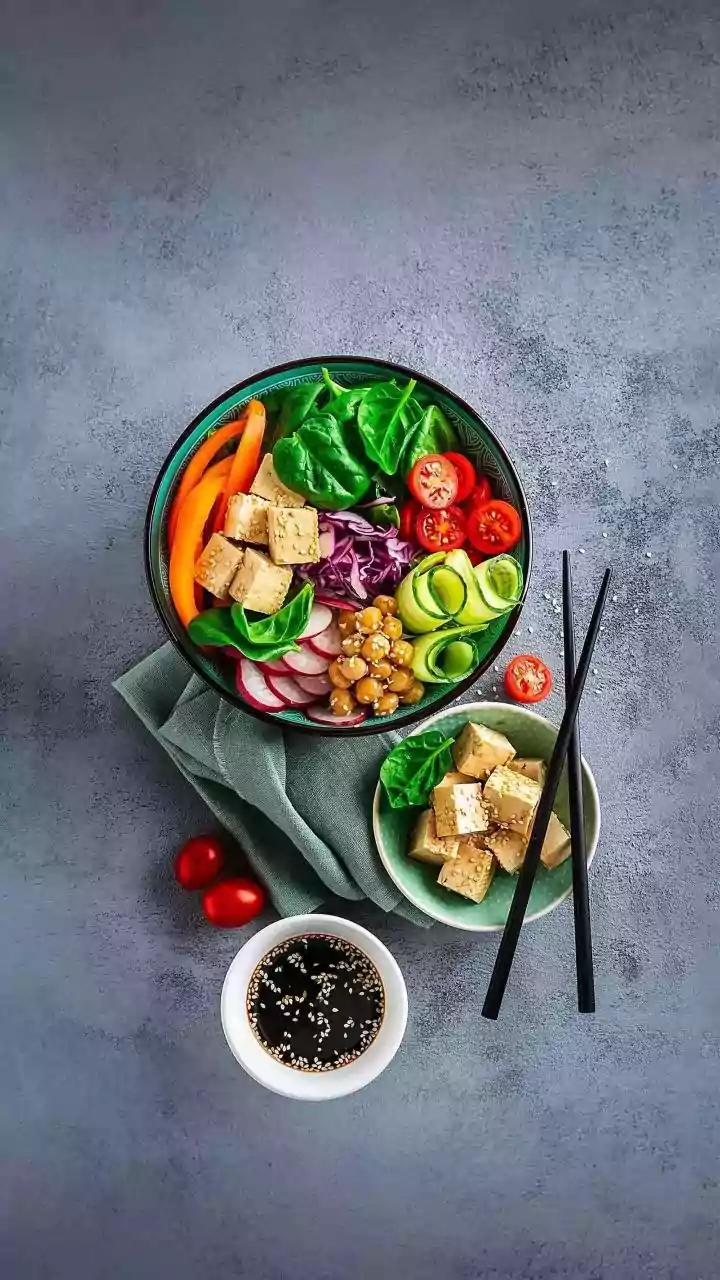
Addressing this challenge requires a conscious move from calorie-counting to nutrient-seeking. The latest Dietary Guidelines for Indians, released by the Indian Council of Medical Research (ICMR) and the National Institute of Nutrition (NIN), provide a clear roadmap. The guidelines stress the importance of a balanced diet with a variety of foods. They recommend that half of our plate should consist of vegetables and fruits, with the other half comprising cereals, pulses, and healthy fats. There is a strong emphasis on reducing the intake of processed foods, sugar, and salt, and returning to the principles of traditional, home-cooked meals. Making informed choices, such as reading nutrition labels and prioritising whole foods over packaged goods, can make a significant difference in the nutritional quality of our diet. The guidelines also highlight the importance of physical activity to complement a healthy diet.