







The Scent You Never Asked For
You know the smell. It’s a mix of damp laundry, stagnant air, and a hint of mildew that seems to permeate every corner of your apartment the moment the rains set in. This pervasive odor is a direct result of high humidity. When moisture-laden air gets
trapped indoors with poor ventilation, it creates the perfect breeding ground for mould and mildew, the primary culprits behind that classic ‘monsoon smell’. Fabrics, wooden furniture, and even walls can absorb this moisture, holding onto the musty scent and making your home feel less like a sanctuary and more like a damp cave. While air fresheners might offer a temporary floral mask, they often fail to tackle the underlying heavy, earthy dampness, resulting in a strange, cloying mix of artificial fragrance and mildew.
Why Cedarwood Is Your Secret Weapon
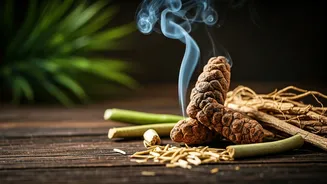
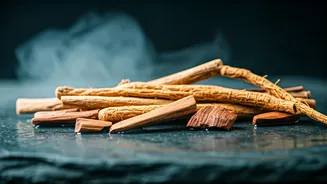
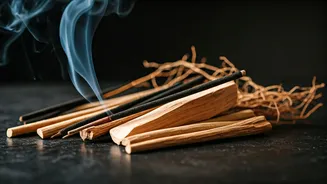
Enter cedarwood. Known in India as ‘Devadaru’, meaning ‘wood of the gods’, this ancient fragrance has been used for centuries for its grounding and calming properties. But its real magic during the monsoon lies in its scent profile. Cedarwood has a rich, warm, and woodsy aroma that doesn't just cover up musty odors—it elegantly overpowers and neutralizes them. Unlike sweet or floral scents that can feel cloying in humid weather, cedarwood’s dry, balsamic notes cut through the dampness, creating an atmosphere that feels clean, warm, and sophisticated. Its earthy character complements the rainy season rather than fighting against it, transforming your home’s scent profile from stale and damp to cozy and inviting.
Cones vs. Sticks: A Smoother Burn
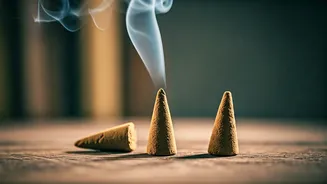
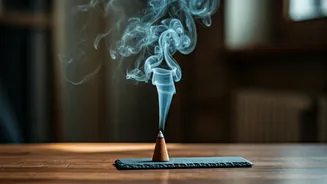
While traditional incense sticks (agarbatti) are a staple, incense cones offer a distinct advantage in this specific battle. The headline gets it right: they are slow-burning. A well-made cedarwood cone is designed to smolder gently from the top down, releasing a steady, concentrated plume of fragrance without being overwhelmingly smoky. This creates a more consistent and subtle scent cloud that lingers effectively in a room. Furthermore, cones are often less messy. They burn down neatly into a small pile of ash on a heat-proof dish, avoiding the long, fragile ash trail that sticks can leave behind. This makes them ideal for apartment living, where you want maximum aromatic impact with minimal fuss and cleanup.
Your Guide to Mindful Burning
To get the most out of your incense, a little technique goes a long way. First, always prioritize safety. Place your cone on a dedicated, heat-proof burner or a ceramic dish, far from flammable materials like curtains, papers, or bedding. Never leave burning incense unattended. For optimal scent distribution, crack open a window slightly. This might seem counterintuitive when fighting humidity, but it prevents the smoke from becoming too concentrated and allows the fragrance to circulate gently without overwhelming the space. Light the tip of the cone, let the flame catch for about 10 seconds, then gently blow it out. You should be left with a glowing ember at the tip, which will begin to smolder and release its beautiful aroma.
Beyond Incense: A Holistic Approach
While cedarwood incense is a powerful tool, it works best as part of a multi-pronged strategy to combat monsoon mustiness. Make a habit of airing out your closets and cabinets on the rare sunny day. Place blocks of camphor or small pouches of dried neem leaves in wardrobes and drawers; both are traditional and effective at absorbing moisture and deterring pests. Use dehumidifiers if you have them, or run your air conditioner in ‘dry’ mode for short periods to pull excess moisture from the air. By combining these small habits with the beautiful ritual of burning incense, you can keep your home feeling and smelling fresh all season long.