
The Modern Time Crunch
In today's fast-paced world, especially in urban India, time is a luxury few can afford. Long work hours, lengthy commutes, and packed personal schedules have made cooking a daily challenge. This pressure often leads to skipping meals or relying on processed
foods and takeaways, which can negatively impact health over time. Many people find themselves caught in a difficult position: the desire to eat healthily clashes with the reality of not having enough hours in the day. This has created a significant demand for a solution that bridges the gap between convenience and nutrition.
A 30-Minute Revolution
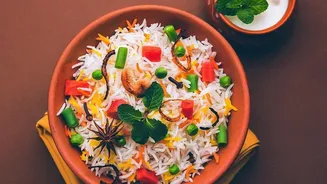
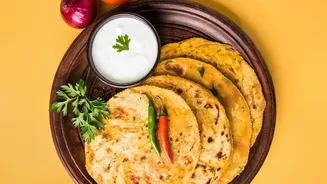
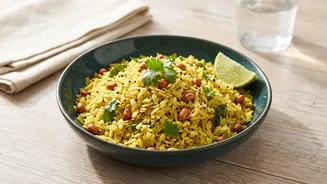
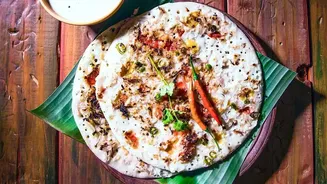
Enter the 30-minute meal. Far from being a fleeting trend, these quick recipes have become a cornerstone of modern home cooking. Food blogs, social media influencers, and even dedicated cookbooks are filled with dishes that promise to be on the table in half an hour or less. For many, this has been a game-changer, reducing the reliance on less healthy options. The appeal is simple: these recipes demystify cooking and make it accessible, proving that you don't need to be a professional chef or have hours to spare to create a delicious, satisfying meal at home. Popular Indian dishes like a quick pressure-cooker rajma, paneer masala, or matar pulao are now frequently adapted for this speedy format.
Quick, But Is It Healthy?
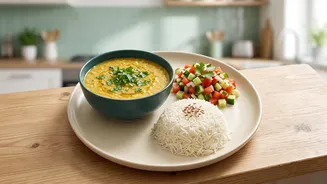
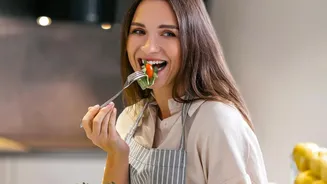
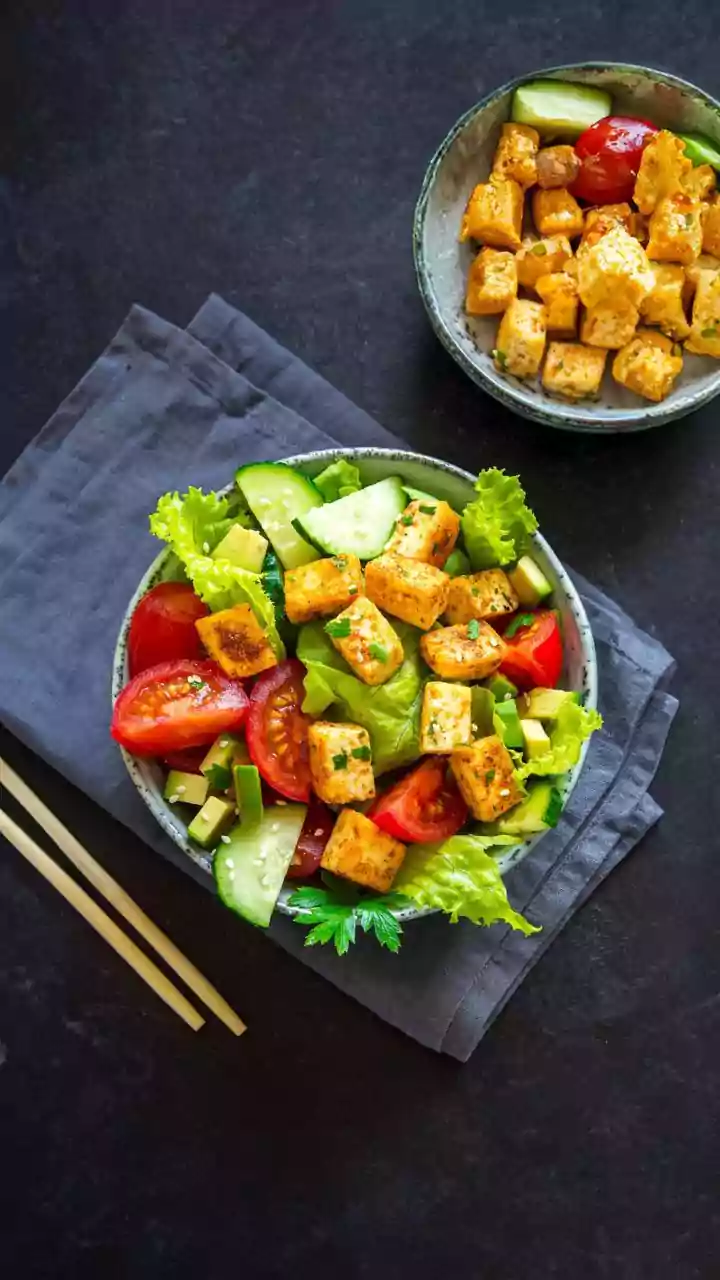
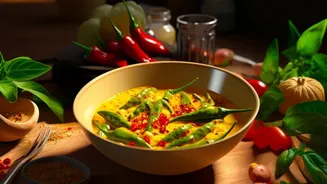
A common question is whether a meal that's so quick to prepare can truly be nutritious. According to dietitians, the answer is a resounding yes, provided you use the right components. A balanced 30-minute meal typically includes a lean protein, plenty of vegetables, and a whole grain. The key to success is building on a foundation of healthy ingredients. For example, a garlic shrimp pasta can be loaded with vegetables, or a simple dal tadka can be a protein-packed, comforting meal made in minutes with a pressure cooker. Cooking at home gives you complete control over ingredients, drastically reducing the high levels of sodium, sugar, and unhealthy fats often found in restaurant or processed foods.
Mastering the Art of Speed
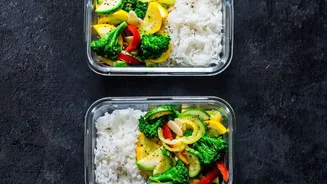
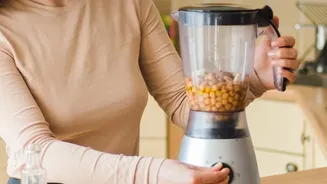
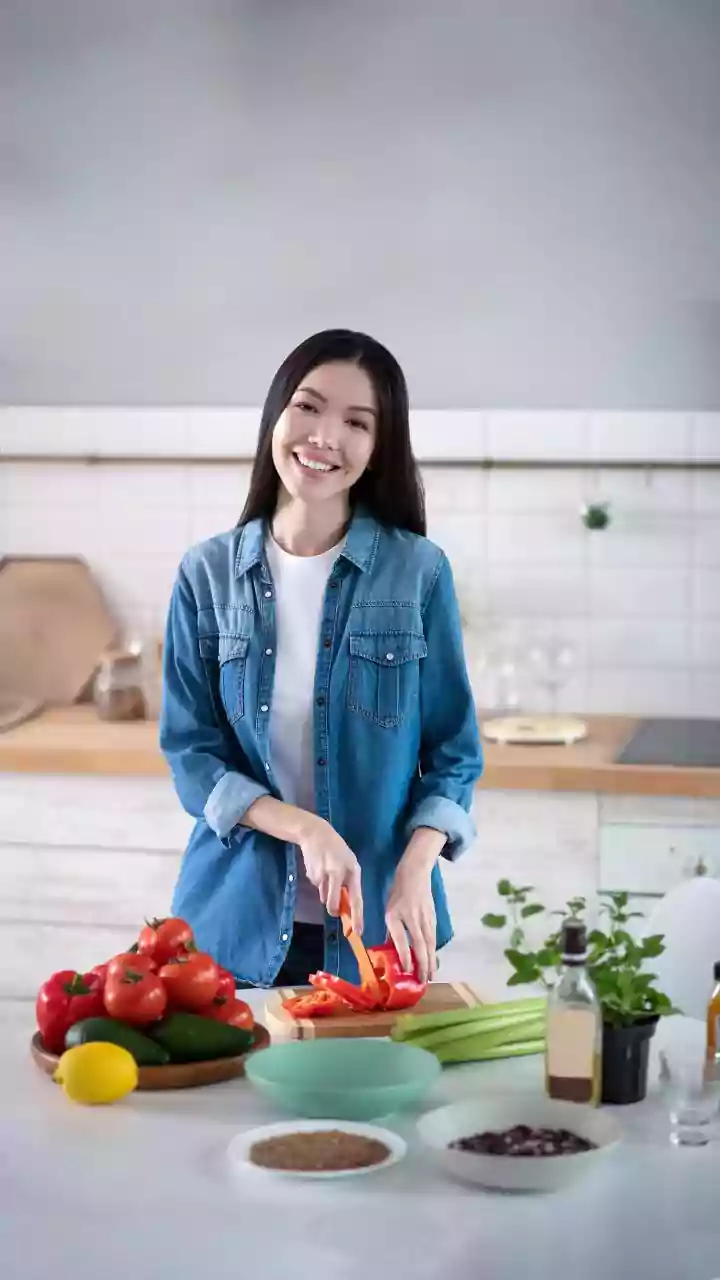
Embracing 30-minute cooking isn't just about following a recipe; it's about adopting a few smart strategies. Meal planning and prepping are game-changers. Spending a short amount of time on a Sunday to chop vegetables, pre-cook grains like quinoa or brown rice, or marinate proteins can save you immense time during the week. Another trick is to keep your pantry and freezer stocked with versatile staples. Canned beans, frozen vegetables, eggs, paneer, and quick-cooking grains are the building blocks of countless fast and healthy meals. Using an Instant Pot or pressure cooker can also dramatically cut down cooking times for dishes that traditionally take hours.
More Than Just Saving Time
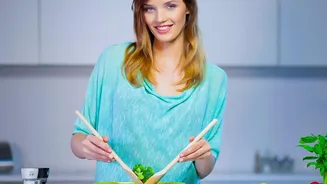
The benefits of adopting a 30-minute meal strategy extend beyond the kitchen. The act of cooking and eating a home-prepared meal can be a form of self-care and a way to de-stress after a chaotic day. It provides a sense of control over your health and well-being. Furthermore, it often translates to more time spent with family around the dinner table, which has its own set of benefits. By making healthy eating achievable, this trend empowers people to build sustainable habits. Instead of viewing healthy cooking as an overwhelming chore, it becomes a manageable, enjoyable part of daily life.