

Why Your Pet Dreads Visitors
For many cats and dogs, a visitor isn't a new friend; they are an intruder. Their arrival disrupts routine, introduces unfamiliar smells and sounds, and invades their territory. This can trigger a natural fear response. Signs of stress are often subtle,
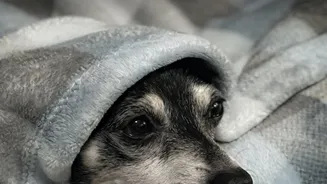
including yawning when not tired, excessive lip licking, showing the whites of the eyes, or a tucked tail. More obvious signs include trembling, hiding, growling, or trying to escape. This isn't bad behaviour; it's a plea for security. Understanding that your pet's reaction comes from a place of fear, not aggression, is the first step toward helping them cope.
Create a Non-Negotiable Safe Zone
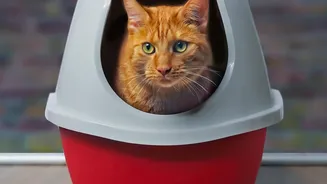
Every pet needs a sanctuary, a space where they know they will never be bothered. Before guests arrive, designate a room—like a bedroom or a quiet study—as your pet’s safe zone. Equip it with their bed, water, a favourite toy, and for cats, a litter box. This room should be strictly off-limits to guests. You can even put a polite "Do Not Disturb" sign on the door. Leading your pet to this space before the doorbell rings helps them settle in a calm environment, associating it with peace, not punishment. Playing soft music or a white noise machine in the room can also help mask the unfamiliar sounds of guests arriving.
Establish Clear Rules for Your Guests
You are your pet’s advocate, and it's your job to manage how people interact with them. It’s crucial to communicate a few simple ground rules to your visitors before they even step inside. Politely ask them to ignore your pet, at least initially. This means no direct eye contact, no reaching out to pet them, and no loud or sudden movements. Taking away the pressure to interact allows a shy animal to observe from a distance and decide on their own terms if they want to engage. Explain that this isn't about being unfriendly; it’s about respecting the animal's need for space and helping them build confidence.
Manage Introductions with Care
If your pet chooses to venture out from their safe space, any interaction must be on their terms. Never force an introduction. If your pet shows curiosity, you can encourage your guest to toss a high-value treat in their direction without making direct contact. This helps the pet build a positive association: new person equals good things. If your pet approaches a guest, instruct the guest to remain still and quiet, letting the animal sniff them. Only if the pet shows relaxed body language should the guest slowly offer a hand for sniffing. The key is that the pet has the freedom to retreat at any moment without being pursued.
Burn Off Energy Beforehand
A simple but highly effective strategy is to ensure your pet is well-exercised before guests are scheduled to arrive. A tired pet is a calmer pet. For a dog, a long walk, a run in the park, or an energetic game of fetch can work wonders to burn off nervous energy. For cats, a vigorous session with a wand toy or laser pointer can achieve a similar result. Mental stimulation is just as important. Using puzzle toys or food-dispensing toys can occupy their mind and leave them more relaxed and less likely to become over-aroused by the arrival of visitors.
Maintain a Predictable Routine
Pets thrive on routine, and consistency provides a powerful sense of security. Even with guests in the house, try to stick to your pet’s normal schedule for feeding, walks, and playtime as much as possible. This predictability acts as an anchor for them in a sea of otherwise disruptive changes. When guests leave, give your pet space and time to decompress. Once the house is quiet again, calmly return to your normal activities. This reinforces the idea that the disruption was temporary and that their world is now back to normal, making the next visit a little less daunting.