




The Tap-to-Pay Takeover
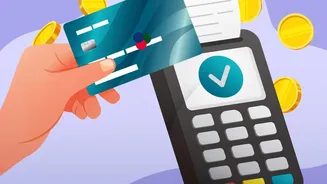
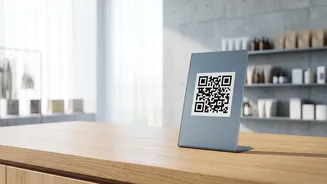
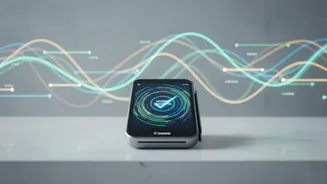
What started as a niche option has now crossed the tipping point into the mainstream. Driven initially by a pandemic-era focus on hygiene, contactless payments are now the default for a majority of Americans. As of 2026, over 65% of in-person card transactions
in the U.S. utilize contactless technology, whether through a tap-to-pay card or a digital wallet on a smartphone. This isn't just a trend among the young; while Gen Z leads the charge, the behavior is becoming common across all age groups who value the speed and convenience. A transaction that takes just a few seconds with a tap is significantly faster than inserting a chip card, a difference that adds up to shorter lines and happier customers, especially in high-volume local shops.
More Than Just a Faster Checkout
The technology transforming local retail goes far beyond a simple tap. Digital wallets like Apple Pay and Google Pay now represent a significant slice of in-store purchases, not by replacing credit cards, but by changing how we use them. These wallets store card information using secure “tokenization,” which means your actual card number is never shared with the merchant, adding a layer of security. Furthermore, the ecosystem is expanding to include Buy Now, Pay Later (BNPL) services, which allow customers to split purchases into smaller installments. For local retailers, offering BNPL can increase the average sale amount and attract younger shoppers who prefer flexible, interest-free payment options. This transforms a simple transaction into an opportunity to offer flexible financing, once the exclusive domain of large retailers.
The Small Business Balancing Act
For local shop owners, the digital payment revolution is both a blessing and a curse. The upsides are clear: faster service, automated sales tracking, reduced risk of theft, and even higher spending from customers who find it easier to part with digital money. However, these benefits come at a cost. Transaction fees, which can range from 1.5% to over 3% per purchase, can eat into the already thin margins of a small business. This contrasts with cash, which has no processing fee. The pressure to adopt the latest tech is also immense; with studies showing a majority of consumers are less likely to return to a business that doesn't offer their preferred payment option, not upgrading is a direct risk to retaining customers.
A New Chapter for Customer Loyalty
One of the most profound shifts is how digital payments allow small businesses to build relationships with their customers. When a customer pays with a digital wallet or app, it opens the door for integrated loyalty programs without the need for a physical punch card. A coffee shop can automatically track visits and reward a free drink after ten purchases, or a local boutique can send a personalized discount on a customer's birthday. This data provides small merchants with the kind of insights that were previously only available to large corporations, helping them understand purchasing habits and tailor offers that encourage repeat business. It’s a way of bringing the personal touch of old-school local retail into the digital age.
The Risk of Leaving Some Behind
As Main Street races toward a cashless future, there's a growing concern about who gets excluded. Not everyone has a bank account or a smartphone, and many older customers still prefer the familiarity and privacy of cash. Businesses that go completely cashless risk alienating a portion of their community. To bridge this gap, some venues are adopting solutions like reverse ATMs, which allow customers to load cash onto a prepaid debit card for use in the store. This ensures that embracing new technology doesn't mean turning away long-time patrons, maintaining the inclusive spirit that local shopping is all about.