





Back to Basics: What Is Brine Fermentation?
At its core, brine fermentation, also known as lacto-fermentation, is a preservation method that uses just salt and water. Unlike traditional Indian pickles that often rely on a heavy layer of oil to prevent spoilage, this technique creates a salty brine where
vegetables are submerged. This anaerobic (oxygen-free) environment inhibits the growth of harmful bacteria. Meanwhile, beneficial bacteria naturally present on the vegetables, like Lactobacillus, get to work. These microbes convert the natural sugars in the vegetables into lactic acid. This acid not only acts as a natural preservative, creating a tangy flavour, but it also transforms the food, making it rich in probiotics.
Oil-Free vs. Oil-Rich: A Tale of Two Pickles
For generations, Indian households have mastered the art of making achaar with mustard oil, sesame oil, or other vegetable oils. In these recipes, oil acts as a powerful barrier, sealing off the ingredients from air and moisture to prevent decay. Spices like turmeric, mustard seeds, and fenugreek add flavour and also contribute their preservative properties. Brine fermentation achieves preservation differently. It’s not about creating a physical barrier with oil but about fostering a controlled microbial environment. The lactic acid produced by the bacteria lowers the pH of the brine, making it inhospitable for spoilage microbes. This results in a pickle that is naturally preserved without a single drop of oil, offering a lighter, cleaner taste profile.
The Gut Health Connection
A primary driver behind the trend of brine fermentation is the growing awareness of gut health. Fermented foods are celebrated for their probiotic content—live beneficial bacteria that support a healthy digestive system. While traditional Indian cuisine is rich in fermented foods like dahi, idli, and dosa, brine-fermented vegetables offer another easy way to introduce these good microbes into your diet. Regular consumption of such foods has been linked to improved digestion, better nutrient absorption, and a stronger immune system, as a significant portion of our immune cells reside in the gut. As urban lifestyles contribute to a rise in digestive and metabolic issues, many are turning to these functional foods as a natural way to support overall wellness.
Unlocking a New World of Flavour
If your only experience with pickles is the fiery, spice-laden variety, brine-fermented vegetables offer a completely different sensory experience. The fermentation process develops a complex, tangy, and almost effervescent flavour that is deeply savoury. The taste is sour, but it’s a living sourness that comes from lactic acid, not the sharp, static sour of vinegar. The process also changes the texture of the vegetables, making them tender yet crisp. This method allows the natural taste of the vegetable—be it the sweetness of a carrot, the earthiness of a beet, or the freshness of a cucumber—to shine through, complemented by the simple brine. It's a more nuanced flavour that can be a refreshing counterpoint to rich meals.
Getting Started in Your Own Kitchen
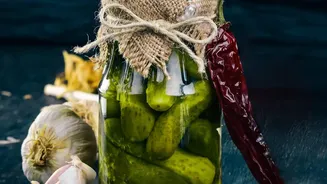
The beauty of brine fermentation is its simplicity. You don't need special equipment, just a clean glass jar, salt (without iodine or anti-caking agents), filtered water, and your choice of vegetables. To start, create a brine solution by dissolving salt in water. A common ratio is about 1 to 2 tablespoons of salt per litre of water. Chop your vegetables—carrots, cucumbers, beans, cauliflower, and radishes are great for beginners—and pack them into the jar. Pour the brine over them, ensuring they are fully submerged. You might use a small weight to keep them down. Loosely cover the jar and leave it at room temperature for a few days to a week. You’ll soon see bubbles forming, a sign that fermentation is active. Taste it every day, and once it reaches a tanginess you like, move it to the refrigerator to slow the process down.