


The Weather Dilemma: Navigating September's Skies
September is a transitional month for weather in South and Southeast Asia. In Sri Lanka, the southwest monsoon is ending. This means the west and south coasts can still see significant rain, while the east and north coasts are generally dry and sunny.
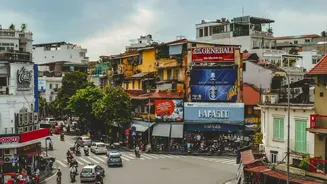
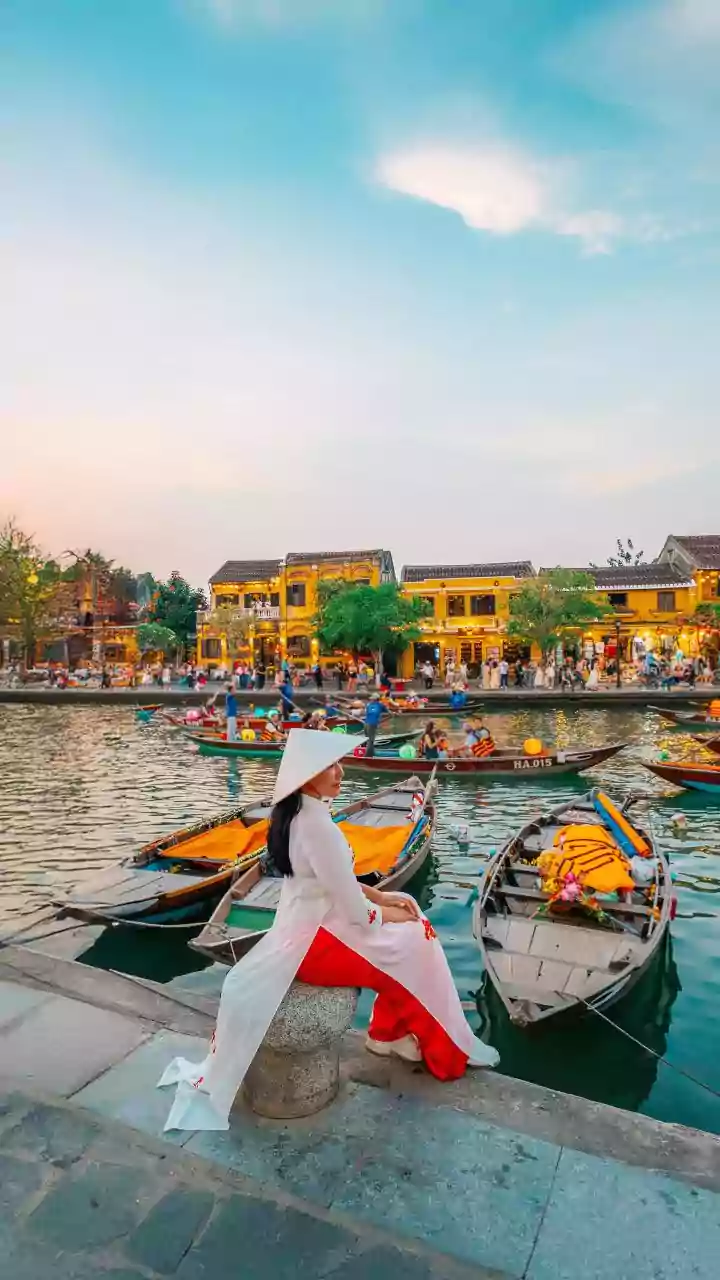
Stick to areas like Trincomalee or Arugam Bay for the best beach conditions. Nepal is just emerging from its heavy monsoon season. Early September might still have afternoon showers, but the trails become clearer and the landscape is incredibly lush and green. It's a great time for trekking before the peak crowds of October arrive. Vietnam's weather is famously diverse from north to south. In September, the north (Hanoi, Sapa) is entering a pleasant autumn with decreasing rain and cooler temperatures. The south (Ho Chi Minh City, Mekong Delta) is still in its wet season, but with showers that are often brief. Central Vietnam (Da Nang, Hoi An), however, is beginning its rainy, typhoon-prone season, making it a riskier choice.
For the Mountain Lover: Trekking and Vistas
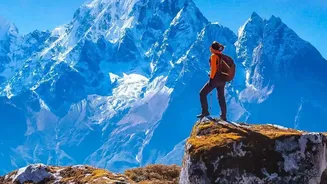
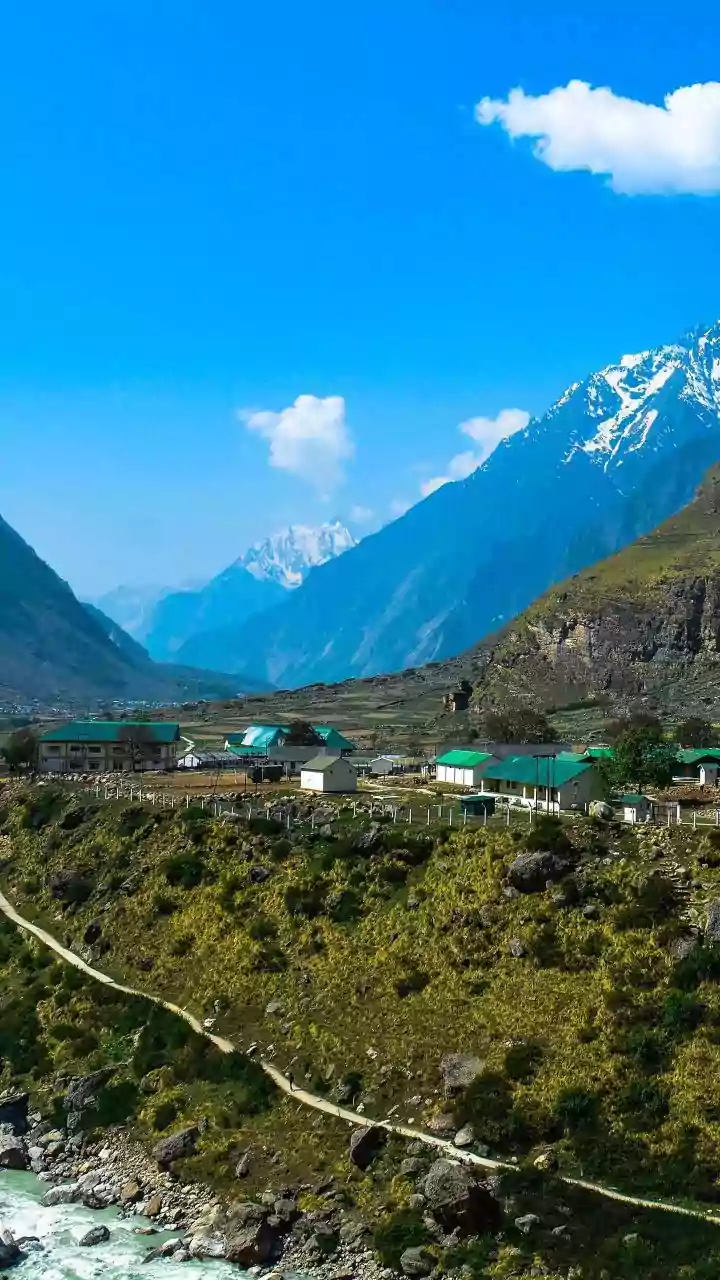
If mountains are calling your name, Nepal is the undisputed champion. As the monsoon subsides, the air clears, revealing breathtaking views of the Himalayas. Trails in the Everest and Annapurna regions, which were wet and slippery, begin to dry out. Temperatures are moderate, making for comfortable trekking conditions without the intense cold of winter. You'll find fewer crowds than in the peak month of October, offering a more serene experience. While not on the same scale, Vietnam offers stunning mountainous scenery in the north. September is the harvest season in areas like Sapa and Mu Cang Chai, where golden rice terraces cascade down the hillsides, creating a spectacular, photo-worthy landscape. Sri Lanka's hill country, around Ella and Nuwara Eliya, offers beautiful green landscapes and pleasant hikes, but be prepared for more rain compared to the other two destinations.
For the Beach Seeker: Sun, Sand, and Surf
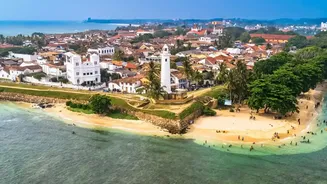
For a beach holiday in September, Sri Lanka is your best bet, provided you choose your coast wisely. The east coast beaches like Trincomalee, Pasikudah, and Nilaveli are in their prime, offering sunny skies, warm waters, and calm seas perfect for swimming and snorkelling. The famous surf spot Arugam Bay also has excellent conditions this month. Vietnam has a long coastline, but the weather is a mixed bag. Southern islands like Phu Quoc can offer sunny days despite being in the rainy season, as showers are often short-lived. However, the central coast, home to popular spots like Da Nang, is entering its storm season and is best avoided. Nepal, being a landlocked country, naturally offers no beach options.
For the Culture Vulture: Temples, History, and City Life
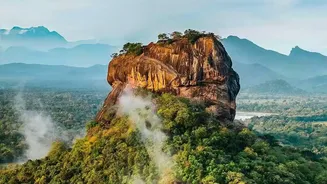
All three countries are rich in culture, but offer different experiences. Sri Lanka's Cultural Triangle (Sigiriya, Dambulla, Polonnaruwa) is dry and pleasant in September, making it ideal for exploring ancient ruins and temples with fewer crowds. Vietnam offers a dynamic blend of ancient traditions and modern energy. The pleasant autumn weather in Hanoi is perfect for exploring the Old Quarter, temples, and vibrant street food scene. You might also catch the colourful Mid-Autumn Festival celebrations. Nepal's cultural heart lies in the Kathmandu Valley, with its dense concentration of UNESCO World Heritage sites, temples, and stupas. The post-monsoon air is fresh, and the vibrant green rice paddies surrounding the ancient cities of Bhaktapur and Patan are stunning.
Practicalities: Visas and Getting There
For Indian travellers, Nepal is the easiest destination logistically, as no visa is required for entry. Sri Lanka offers a straightforward Electronic Travel Authorization (ETA) system. Vietnam requires a visa for Indian citizens, which can be obtained as an e-visa online before you travel. It's best to apply for the e-visa in advance as the visa-on-arrival process requires a pre-approval letter. In terms of budget, all three countries are relatively affordable, but costs can vary. Vietnam and Nepal are often cited as being slightly more budget-friendly, particularly for food and internal transport, than Sri Lanka.