







The Hidden Danger in Standing Water
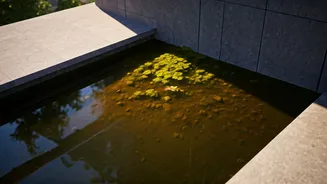
During the monsoon, even a tiny amount of collected rainwater—as little as a bottle cap's worth—can become a nursery for mosquitoes. The Aedes aegypti mosquito, which spreads dangerous diseases like dengue and chikungunya, thrives in clean, stagnant water found
around our homes. These illnesses can cause high fever, severe joint pain, and other serious complications. High humidity and intermittent rain create the perfect storm for mosquito populations to surge, as their life cycle from egg to adult can take as little as seven to ten days. This makes proactive prevention not just helpful, but essential for a safe and healthy rainy season.
Your Five-Minute Balcony Patrol Checklist
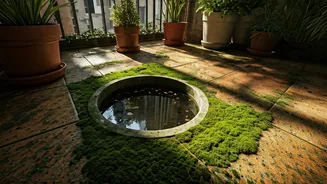
Turning this check into a quick daily habit is the most effective way to disrupt the mosquito breeding cycle. Think of it as a quick 'stagnation patrol' of your outdoor space. Here’s what to look for: 1. Plant Pot Saucers: These are the most common culprits. Lift your pots and empty any water collected in the trays underneath them every day. 2. Unused Containers: Empty buckets, old tyres, discarded toys, or even plastic packaging can collect rainwater. Tip them over or store them in a dry place. 3. Clogged Drains: Ensure the drainage holes on your balcony floor are clear of leaves and debris so that water can flow away freely and not form puddles. 4. AC Drip Trays: The tray that collects condensation from your air conditioner's outdoor unit is a prime spot for mosquito larvae. Check and empty it regularly. 5. Tarps and Plastic Sheets: If you use plastic sheets to cover furniture or other items, ensure they are stretched taut so that water runs off instead of pooling in folds.
Fortifying Your Defences
Beyond daily water checks, a few extra layers of protection can make your balcony and home much safer. Installing mesh screens on balcony doors and windows is a highly effective physical barrier that allows you to enjoy the monsoon breeze without letting mosquitoes in. For evenings spent outdoors, using a fan can also help, as the breeze makes it difficult for these weak fliers to land and bite. It’s also wise to wear light-coloured, long-sleeved clothing during dawn and dusk, which are peak hours for mosquito activity. Applying a trusted mosquito repellent on exposed skin provides an essential layer of personal protection when you are outside.
Embracing Natural Repellents
You can also harness the power of nature to make your balcony less inviting to mosquitoes. Several common plants have natural repellent properties. Consider adding pots of tulsi (basil), lemongrass, citronella, and peppermint to your balcony garden. The scent released by these plants is pleasant to us but deters mosquitoes. For a homemade solution, you can create a spray using neem oil mixed with coconut oil and water or burn camphor for a short period, as the fumes are known to drive away insects. While not a replacement for eliminating stagnant water, these natural methods can add another layer of defence to your monsoon safety routine.