





Don’t Dismiss the Discomfort
For many people with desk jobs, a bit of stiffness or a dull ache in the knees when standing up after hours of sitting feels normal. However, this discomfort is often the first sign that something is amiss. It’s frequently linked to issues like reduced
blood flow, muscle tightness, and increased pressure on the knee joint. Symptoms like stiffness after inactivity, a faint grinding sensation, or mild swelling can be subtle indicators of early cartilage wear. Ignoring these early warnings allows the underlying issues to persist, potentially leading to more significant problems over time, including progressive joint degradation.
The Desk Job and Knee Strain Connection
The human body is designed for movement. When you sit for prolonged periods, the muscles that support your knees—like the quadriceps, hamstrings, and glutes—become inactive and weakened. This inactivity doesn't just reduce muscle strength; it alters the biomechanics of your entire lower body. Poor posture, such as slouching, can rotate the hips and change knee alignment, concentrating stress on specific parts of the joint. This constant, static pressure is different from the stress of an active lifestyle and something the knees are not well-equipped to handle long-term without intervention. Over time, this sustained strain can contribute to the wearing down of cartilage, the smooth tissue that allows your bones to glide effortlessly.
What is Progressive Joint Degradation?
The headline’s warning about 'progressive joint degradation' refers to conditions like osteoarthritis, a degenerative joint disease. It occurs when the protective cartilage on the ends of your bones wears down over time. Early signs often include pain that worsens after activity or long periods of rest, stiffness (especially in the morning), and a limited range of motion. As cartilage deteriorates, the bones may start to rub against each other, causing pain, swelling, and the formation of bone spurs. While factors like age and genetics play a role, mechanical stress from poor posture and long-term inactivity is a significant contributor that you have the power to influence.
Immediate Ergonomic Fixes for Your Workspace
The good news is that small, deliberate adjustments to your workstation can make a significant difference. The goal is to create a setup that supports a neutral body position. Start with your chair: adjust its height so your feet rest flat on the floor, with your knees bent at a 90-degree angle and positioned at or slightly below your hips. There should be a small gap between the back of your knees and the edge of the chair. If your feet don't reach the floor, use a footrest. Your monitor should be at eye level to prevent slouching, and your keyboard should be placed so your elbows are bent at a comfortable 90-degree angle.
Beyond the Desk: Movement is Key
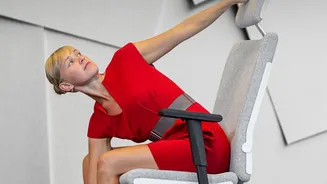
Ergonomics are crucial, but they are only one part of the solution. A sedentary lifestyle itself is a major risk factor. Health professionals recommend getting up and moving around at least once every 30 to 60 minutes. These short breaks promote circulation, lubricate the joints, and prevent the muscles from tightening up. Incorporate simple stretches into your day, focusing on the hamstrings and quadriceps, which directly support the knee. Furthermore, strengthening your core and leg muscles through regular exercise provides a better support system for your entire body, taking pressure off your vulnerable joints.