







What Is Zone 2 Training, Exactly?
Forget the 'no pain, no gain' mantra for a moment. Zone 2 training is all about low-intensity, steady-state cardio. Think of it as 'conversational cardio'. It's an effort level where you're moving and your heart rate is elevated, but you can still comfortably
hold a conversation without gasping for breath. If you can chat but you can't sing, you're in the sweet spot. Technically, this zone corresponds to working at about 60% to 70% of your maximum heart rate. It’s the foundation of endurance, building a strong aerobic base that supports all other physical activities, from a weekend trek to chasing after your kids.
The Big Payoff for Desk Workers
For those of us leading sedentary lives, the benefits are immense. Firstly, Zone 2 training is exceptionally good at teaching your body to burn fat for fuel instead of relying on readily available sugars. This is a game-changer for long-term energy and weight management. Secondly, it strengthens your heart by increasing its efficiency, which can lead to a lower resting heart rate over time—a key indicator of cardiovascular health. Most importantly, this type of exercise boosts your mitochondria, the tiny power plants inside your cells. More efficient mitochondria mean more energy, helping you combat that dreaded 3 PM slump and improving your focus at work. Plus, because it’s low-impact, the recovery time is minimal, reducing the risk of burnout and injury.
Finding Your Personal Zone
While the 'talk test' is the most practical guide, you can also find your Zone 2 with a simple calculation. A common method is to first estimate your maximum heart rate (MHR) by subtracting your age from 220. For example, if you are 35, your estimated MHR is 185 beats per minute (bpm). Your Zone 2 would then be 60% to 70% of that number, which is roughly 111 to 130 bpm. Another popular and even simpler guideline is Dr. Phil Maffetone's '180 Formula': just subtract your age from 180 to find the top end of your aerobic training zone. While a heart rate monitor offers precision, don't let the numbers stop you. Simply tuning into your body and aiming for that 'conversational' pace is a perfect way to start.
Simple 'Hacks' to Get Moving
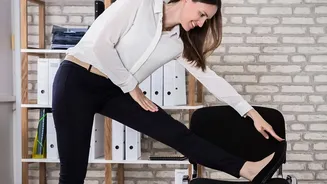
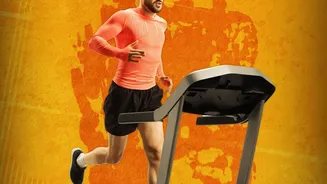
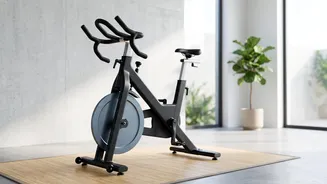
Incorporating Zone 2 cardio doesn't require a gym membership or fancy equipment. The key is to find activities you can sustain for 30-45 minutes. A brisk walk is the most accessible option. Instead of eating at your desk, use your lunch break for a walk around a nearby park. If you commute via public transport, try getting off one or two stops early and walking the rest of the way. Take work calls while walking around the office or your home. Climbing stairs is another fantastic choice. A light jog, a steady cycle on a stationary bike while watching your favourite show, or even using an under-desk elliptical can all get you into that fat-burning zone without disrupting your entire day. The goal is consistency, not intensity.
Making It a Sustainable Habit
The beauty of Zone 2 is that it feels manageable, making it easier to stick with. Start with a realistic goal: aim for two or three 30-minute sessions a week. Schedule them in your calendar just as you would a meeting. Anchor this new habit to an existing one, like heading out for a walk right after you finish your workday. The best workout is the one you actually do, and the gentle nature of Zone 2 training makes it a powerful and sustainable tool for long-term health. You're not just exercising; you're building a more resilient and energetic body, one comfortable step at a time.