



The Case for Goa: A Quieter, Greener Paradise
Forget the crowded beaches and thumping nightlife of December. Monsoon Goa (June to September) is an entirely different affair. The state sheds its party-hard skin and reveals a quieter, more introspective soul. The landscape, from the coastal trails
to the hills of the Western Ghats, turns a vibrant, impossible green. While swimming in the rough sea is off-limits, the focus shifts inland. This is the time for exploring the rain-washed lanes of Fontainhas, Goa’s Latin Quarter, taking heritage walks through villages like Chandor, or visiting spice plantations that are fragrant and alive. Adventure seekers can trek to the magnificent Dudhsagar Falls, which roars to life during the rains, offering a spectacular 'sea of milk' effect. With fewer tourists, you'll find boutique hotels at a fraction of their peak-season prices and a chance to experience the local culture, like the Sao Joao festival in June, more intimately.
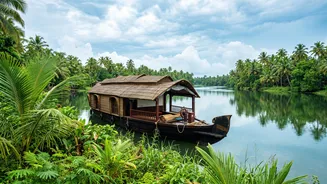
The Case for Kerala: Nature's Spa and Cultural Heart
In Kerala, the monsoon isn't just a season; it's an event. Known as 'God's Own Country', the state becomes a canvas of emerald greens, misty hills, and swelling backwaters. It is widely considered the best time for Ayurvedic treatments. Traditional wisdom holds that the cool, moist, and dust-free atmosphere opens up the body’s pores, making therapies for rejuvenation and detoxification exceptionally effective. Beyond wellness, the experiences are profound. Imagine cruising on a houseboat through the Alleppey backwaters as rain drums on the roof, or driving through the fog-draped tea gardens of Munnar. The state's waterfalls, like the mighty Athirappilly, are at their thunderous best. The monsoon season also coincides with the vibrant Onam festival in August or September, offering a deep dive into Kerala's rich cultural traditions with feasts and folk performances.
The Verdict: Vibe, Activities, and Atmosphere
Your choice ultimately depends on the kind of holiday you seek. Goa offers a more laid-back, leisurely vibe. It’s for those who enjoy café hopping, exploring heritage sites, and finding peace on empty, rain-swept beaches. The activities are plentiful but more focused on the hinterlands, from river kayaking to jungle trails. North Goa retains more of a buzz with its cafes and museums, while South Goa is for a truly quiet resort-style retreat. Kerala, by contrast, offers a more immersive, nature-centric, and culturally rich experience. It is the undisputed winner for wellness seekers looking for authentic Ayurveda. Its backwaters, extensive wildlife sanctuaries, and numerous misty hill stations provide a wider variety of natural landscapes to explore. While both are beautiful, Kerala's monsoon feels more like the main event, while Goa's feels like a well-kept secret.
How to Assess the Weather Before You Book
A monsoon holiday requires a bit more planning. Weather forecasts are your best friend, but it's about looking at the right things. Don't just check for 'rain'. Look for the intensity (light showers vs. heavy downpours measured in mm) and warnings for severe weather like cyclones or major flooding. 1. Use Official Sources: The India Meteorological Department (IMD) is the government's official agency. Their website and app provide district-level forecasts and severe weather warnings, which are the most reliable. They even have tools to check weather along a planned travel route. 2. Reputable Weather Apps: For user-friendly interfaces on your phone, apps like AccuWeather, Skymet Weather, and The Weather Channel are popular choices in India. They offer hourly forecasts, precipitation probability, and multi-day outlooks. 3. Look at Patterns, Not Predictions: Instead of making a go/no-go decision based on a single day's forecast weeks in advance, look at the general pattern. Is it forecasting intermittent showers or continuous, heavy rain for several days? This will tell you if you can plan for outdoor activities with breaks or if you should prepare for more indoor time.