







The First 20 Minutes: Warm-Up and Prep
Before you touch a single weight, your body needs to be ready. Cold muscles are more prone to injury, so a proper warm-up is non-negotiable. Begin with five to ten minutes of light cardio. This isn't about pushing yourself; it's about increasing blood
flow to your muscles. A brisk walk on the treadmill, a steady pace on the elliptical, or even a few minutes of jumping jacks will do the trick. After your heart rate is slightly elevated, move into dynamic stretching. This involves active movements that take your joints and muscles through a full range of motion. Think arm circles, leg swings, torso twists, and walking lunges. This prepares your body for the specific movements of lifting, unlike static stretching, which is best saved for the end of your workout.
The Next 45 Minutes: Your First Full-Body Workout
Now for the main event. As a beginner, your focus should be on form, not the amount of weight you're lifting. Bad form leads to injury and hinders progress. The goal is to master the movement patterns first. Start with weights that you can comfortably lift for 10-15 repetitions. A great beginner routine focuses on compound exercises, which work multiple muscle groups at once. Here is a sample full-body workout: - Goblet Squats (3 sets of 10-12 reps): This targets your legs and core. Hold one dumbbell vertically against your chest and squat down as if sitting in a chair, keeping your back straight. - Dumbbell Rows (3 sets of 10-12 reps per arm): This works your back and biceps. Hinge at your hips with a flat back, and pull a dumbbell up towards your chest, leading with your elbow. - Push-Ups (3 sets to your limit): A classic for chest, shoulders, and triceps. If you can't do a full push-up, start on your knees. - Overhead Press (3 sets of 10-12 reps): This strengthens your shoulders. Press dumbbells from shoulder height directly overhead, keeping your core tight. - Plank (3 sets, hold for 30-60 seconds): Excellent for core stability. Rest for 60-90 seconds between each set. The last few reps of each set should feel challenging, but not impossible. If you have to swing the weight to lift it, it's too heavy.
The Final 25 Minutes: Cool-Down and Planning
Just as important as the warm-up is the cool-down. Spend about 10 minutes performing static stretches, holding each stretch for 20-30 seconds. Focus on the muscle groups you just worked: your chest, back, quads, hamstrings, and shoulders. This helps improve flexibility and can ease muscle tension. The remaining 15 minutes are for something just as crucial: planning. While the feeling of accomplishment is fresh, pull out your calendar. The single most effective way to build a habit is to schedule it. Don't just think, "I'll go again next week." Decide on the exact days and times for your next two sessions. A good starting point for a beginner is two to three workouts per week, with at least one rest day in between.
From Ninety Minutes to a Lifelong Habit
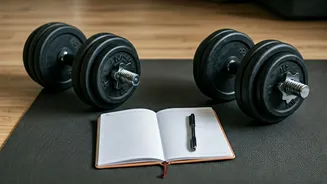
One session is a start, but consistency is where the real benefits lie. Strength training can improve bone density, boost metabolism, reduce the risk of chronic diseases like diabetes and heart disease, and enhance mental well-being. To turn this into a habit, focus on small wins. You don't need to spend hours in the gym; consistent 30-45 minute sessions are incredibly effective. Don't be afraid to start small. If your motivation is low, just showing up and doing a 10-minute workout is better than doing nothing. Track your progress. Write down the exercises you did and the weight you used. Next time, try to add one more repetition or a very small amount of weight. This principle, known as progressive overload, is the key to getting stronger. Finally, listen to your body. Muscle soreness is normal, but sharp pain is not. Rest is when your muscles actually repair and grow stronger.