




Our Planet's Most Demanding Industries
The global fashion and food industries are two of the biggest contributors to climate change, though their impacts are often underestimated by consumers. The fashion industry is responsible for up to 10% of global carbon emissions and is the second-largest
polluter of water globally. It takes thousands of litres of water to produce a single cotton T-shirt or a pair of jeans. Meanwhile, modern agriculture and food production systems are major drivers of deforestation, water scarcity, and greenhouse gas emissions, particularly from livestock and transportation. Both sectors operate on a linear model of 'take, make, waste' that depletes natural resources and creates monumental amounts of waste, from textile scraps ending up in landfills to a third of all food produced being thrown away.
Fashion's Fast-Paced Problem
The rise of fast fashion has dramatically accelerated the industry's environmental toll. This business model, which turns catwalk trends into cheap, mass-produced clothes in weeks, encourages a culture of overconsumption and disposability. These inexpensive garments are often made from synthetic fibres like polyester, which is derived from fossil fuels. Washing these clothes releases hundreds of thousands of tons of microplastics into the ocean annually. Furthermore, the dyeing and finishing processes for textiles are a primary source of water pollution, dumping toxic chemicals into rivers and streams. In India, a global textile hub, the pressure to produce quickly and cheaply often comes at a high environmental price, making a shift toward sustainability crucial.
The Unpalatable Truth of Our Food Systems
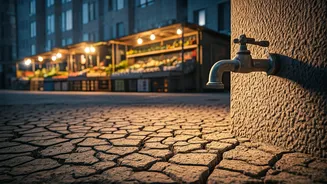
Like fashion, our food systems are straining the planet's resources. In India, agriculture is the economy's backbone but is extremely vulnerable to climate change, facing challenges like erratic rainfall, rising temperatures, and soil degradation. Conventional farming practices can deplete soil health, while the extensive use of water for irrigation puts immense pressure on a scarce resource. Food waste is another staggering issue; when food is wasted, all the energy and water it took to grow, harvest, transport, and package it are also wasted. This entire system, from farm to fork and finally to landfill, contributes significantly to global greenhouse gas emissions.
A Smarter Wardrobe: Weaving in Sustainability
The good news is that a revolution is underway. Climate-smart thinking is transforming fashion, with a focus on creating a circular economy where waste is eliminated. Innovations include materials made from agricultural by-products, turning waste from pineapples, bananas, and oranges into wearable fabrics. Regenerative agriculture is also gaining traction, with brands using fibres grown in ways that restore soil health and capture carbon. In India, there's a growing movement to revive traditional, sustainable practices like using Khadi, a hand-spun and hand-woven fabric with a minimal environmental footprint. Climate-tech startups are also helping Indian manufacturers measure and reduce their environmental impact to meet global standards.
Smarter Farming for a Healthier Planet
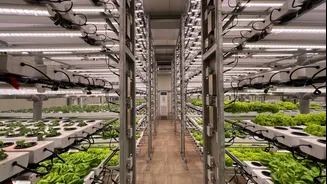
In parallel, Climate-Smart Agriculture (CSA) is offering a pathway to make farming in India more resilient and sustainable. This approach combines traditional knowledge with modern technology to increase productivity while adapting to climate change and reducing emissions where possible. Key practices include improving water efficiency, promoting soil health, adopting climate-resilient crop varieties, and integrating farming systems. Initiatives like the National Mission for Sustainable Agriculture are driving this transition, aiming to make farming not just more productive but also more profitable and environmentally sound for small-holder farmers.
The Common Thread: Conscious Consumerism
Ultimately, the power to drive change lies with consumers. A growing awareness is pushing brands in both sectors to become more transparent and responsible. By choosing quality over quantity, supporting brands that prioritise sustainability, and reducing our own waste, we can make a significant impact. This means asking questions about where our clothes and food come from, caring for our garments to extend their life, and making conscious choices to minimise food waste at home. These small, individual actions, when multiplied across millions of people, can steer these massive industries toward a healthier, more sustainable future for everyone.