




Why Your New Car Will Cost More
Several of India’s largest carmakers, including Maruti Suzuki, Hyundai, and Tata Motors, have announced price increases in August and September 2026. This isn't a coordinated move but a reaction to shared pressures. The primary reason cited by manufacturers
is the persistent rise in input costs. This includes the price of essential raw materials like steel and aluminium, as well as rising energy and logistics expenses linked to global trade disruptions. Some automakers also point to ongoing macroeconomic uncertainties and currency fluctuations as factors forcing them to pass a portion of the increased costs onto consumers. This marks the second or third price revision for several companies in 2026, indicating that cost pressures are sustained and significant.
Which Brands Have Hiked Prices?
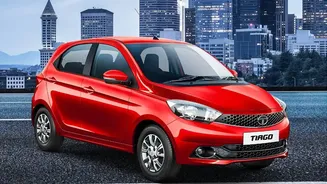
The price increases have been announced across the board, affecting entry-level hatchbacks, popular SUVs, and even electric vehicles (EVs). Maruti Suzuki raised prices by up to ₹30,000 across its Arena and Nexa models in August. Following suit, Hyundai announced a hike of up to 1% effective September 1. On August 21, Tata Motors also confirmed it would increase prices by up to ₹25,000 from September, impacting both its conventional and electric vehicle range. Other brands like Mahindra & Mahindra and even premium players like BMW had already revised their prices in July, citing similar cost pressures.
The Festive Discount Dilemma
The festive quarter, from Onam through Diwali, is typically associated with attractive discounts, free insurance, and special financing schemes to lure buyers. However, this year presents a conflict: manufacturers are raising official prices to protect their margins while dealers will still want to move inventory. So, what can a buyer expect? It's unlikely that festive deals will disappear entirely. Instead, you might see a balancing act. While the ex-showroom price of a car may be higher, dealers may still offer model-specific offers, exchange bonuses, or corporate discounts to make a deal attractive. The key will be to assess the final on-road price after all offers, rather than just the headline discount.
A Smart Buyer's Strategy Guide
In a market with rising prices, a smart approach is crucial. First, if you have decided on a model, consider booking it immediately to potentially lock in the pre-hike price, though final pricing often depends on the invoice date. Second, be flexible. Compare variants within the same model; sometimes, a lower or mid-tier variant offers most of the essential features without the premium of a top-end model. Also, expand your search to competing brands that may not have announced steep hikes or might be offering better dealer-level incentives. Finally, don't overlook year-end sales. If you can wait until December, dealers will be keen to clear 2026 model-year stock, often leading to the year's biggest discounts.
Maximising Your Budget and Exploring Alternatives
To offset the increased vehicle cost, focus on optimising other expenses. Always get insurance quotes from outside the dealership; you can often save a significant amount by comparing online. Scrutinise the accessories list and avoid unnecessary dealer add-ons, which are usually overpriced. Negotiate on financing terms, not just the interest rate but also the processing fee. Alternatively, this may be a good time to explore the booming used car market. The pre-owned segment is growing rapidly, offering well-maintained, feature-rich cars at a lower price point, providing a strong value proposition against rising new car costs.