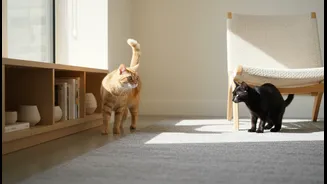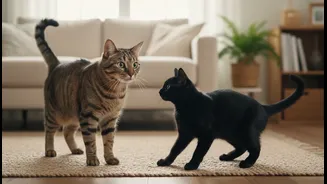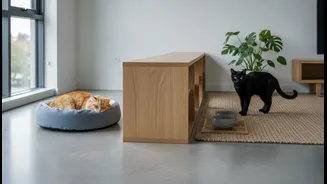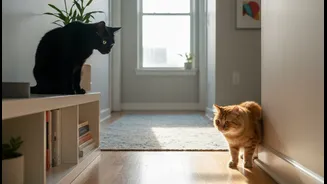

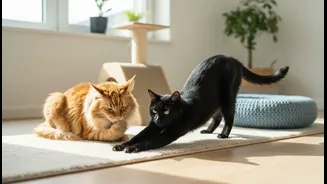


Why Cats Are Territorial
Understanding the 'why' behind cat behavior is the first step. Cats are naturally territorial animals. Their space is their security, containing essential resources like food, water, resting spots, and litter boxes. When a new cat arrives, a resident
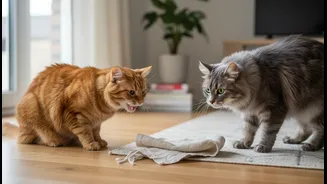
cat doesn't see a potential friend; it sees an intruder competing for these vital resources. This can trigger defensive behaviors like hissing, swatting, or outright fighting as they try to protect their territory. The goal of a proper introduction isn't to force a friendship but to show both cats that resources are plentiful and neither is a threat to the other's safety and comfort. Patience is the most crucial tool in this process. Rushing can sabotage the relationship before it even begins.
Create a Separate Sanctuary
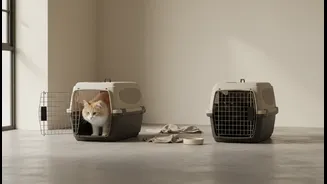
First impressions are critical and cannot be undone. When you bring your new cat home, do not let them meet your resident cat. Instead, take the new cat directly to a prepared, separate room. This 'sanctuary' should have everything the cat needs: its own food, water, litter box, toys, and a comfortable bed. This separation does two things: it gives the new rescue a quiet, low-stress space to decompress and adjust to the new sounds and smells of your home, and it allows your resident cat to become aware of the newcomer's presence gradually, through scent and sound under a closed door, without a direct confrontation. This initial period of confinement should last at least a few days to a week.
Introduce by Scent First
Cats navigate their world primarily through scent. Before they see each other, they should become thoroughly familiar with each other's smell. This is called scent swapping, and it's a non-threatening way to introduce them. Start by exchanging their bedding or soft towels. Take a blanket the new cat has slept on and place it in your resident cat’s favorite spot, and vice versa. You can also gently rub a cloth or sock on one cat's cheeks to collect their unique facial pheromones and leave it for the other cat to investigate. Doing this repeatedly helps to mingle their scents, making the new cat's smell a normal part of the home environment rather than an alarming intrusion.
The Power of Positive Association
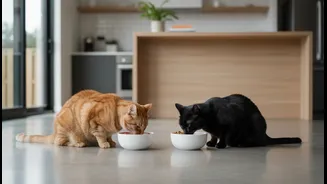
The next step is to help both cats associate the other's presence with positive experiences. Food is a powerful motivator for this. Begin feeding both cats on opposite sides of the closed sanctuary door. Start with their bowls several feet away from the door and gradually move them closer over several feeding sessions as they become more comfortable. The goal is for them to eat calmly with their bowls right next to the door. This teaches them that the scent of the other cat predicts something pleasant, like a meal or a special treat. If either cat shows signs of stress, such as hissing or refusing to eat, move the bowls further apart and proceed more slowly.
Controlled Visual Meetings
Once the cats are relaxed eating on either side of the door, it's time for them to see each other. This must be done through a barrier that prevents physical contact. You can use two baby gates stacked in the doorway, a screen door, or crack the main door just enough for a peek. Keep these initial visual interactions short and positive, using toys and treats to keep the mood light. Some hissing or staring is normal, but if it escalates, calmly close the door and try again later for a shorter duration. Never force interactions. Let the cats set the pace; this stage could take days or weeks.
Supervised Time Together
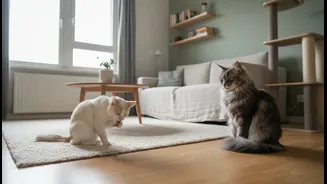
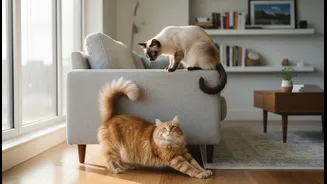
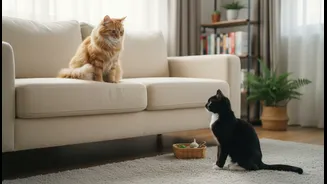
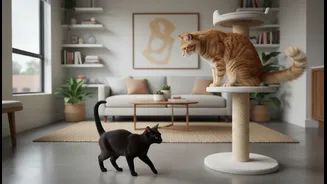
When visual meetings are consistently calm, you can allow short, supervised sessions in a shared, neutral space. Ensure there are plenty of escape routes and vertical spaces like cat trees where a cat can retreat if it feels overwhelmed. Engage them in parallel play with separate toys to keep them occupied and distracted. Keep these first meetings brief—just a few minutes—and always end on a positive note. Gradually increase the duration as they show signs of tolerance or even curiosity. Watch their body language closely. Relaxed bodies and slow blinks are good signs, while flattened ears, twitching tails, and growling mean it's time to separate them calmly and try again another day.