







Your Vehicle: The First Line of Defence
Whether you drive a car or ride a two-wheeler, your vehicle is your primary shield against the elements, and it needs to be ready. First, inspect your tyres. Good tread depth is crucial for grip on slippery roads and to prevent aquaplaning. Worn-out tyres are
a major risk. Next, check your brakes. Wet conditions significantly increase stopping distances, so your braking system must be in top form. If you notice any unusual noises or a delayed response, get them inspected. Finally, ensure all your lights—headlights, taillights, and indicators—are working perfectly. Visibility is a two-way street during a downpour; you need to see and be seen. Also, make sure your windshield wipers aren't leaving streaks and the washer fluid is topped up to clear away mud and grime.
Your Commute Bag: Pack for the Unexpected
A well-packed bag is your personal support system for a monsoon commute. An umbrella is a classic saviour, but a lightweight raincoat or poncho can be more practical, especially if you ride a two-wheeler or if strong winds are expected. One of the most uncomfortable parts of a rainy commute is getting drenched, so packing an extra shirt and a dry pair of socks can make a huge difference to your comfort once you arrive at the office. It is also wise to keep electronics like your phone, wallet, and important documents in a waterproof bag or ziplock pouch. A fully charged power bank is another non-negotiable item; getting stuck in traffic is common, and you’ll need your phone to stay connected and informed.
Footwear and Health: Staying Grounded and Healthy
Your choice of footwear matters more than you think. Leather shoes get ruined in water and flip-flops can be dangerously slippery. Opt for waterproof footwear with a good grip, like rubber sandals or boots, to avoid slipping on wet pavements or station platforms. You can carry your formal shoes in your bag and change at the office. Health is another key aspect. Walking through stagnant, waterlogged streets can expose you to bacterial infections. If you get drenched, try to take a warm shower as soon as possible. Always wash your feet thoroughly with soap and water after commuting. It's also a good practice to boost your immunity during this season by incorporating foods rich in Vitamin C and avoiding street food where the risk of contamination is higher.
The Digital Check: Apps and Alerts
Before you step out, let your smartphone do some of the work. Check a reliable weather app for the latest forecast and heavy rainfall alerts. Apps from sources like the India Meteorological Department (IMD) can provide official warnings for your area. Next, use a live traffic navigation app to check your route for waterlogging and congestion. These apps can suggest alternative routes in real-time, potentially saving you hours of being stuck in a jam. Some apps even allow you to track public transport like buses and trains, helping you manage delays and avoid crowded, low-lying routes. Having this information before you leave allows you to make an informed decision: should you delay your travel, take a different route, or perhaps work from home if your company policy allows?
Route and Communication: Plan for Delays
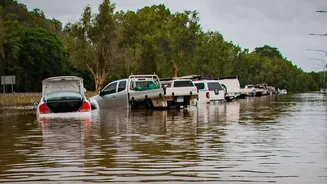
During heavy rain, your usual route might not be the best one. One of the biggest dangers on Indian roads is driving through waterlogged streets without knowing their depth. As little as six inches of water can affect a car's control, and it's always safer to find an alternative path than to risk stalling your engine or getting swept away. Always allow for extra travel time. Rushing in bad weather is a recipe for an accident. Equally important is communication. If you anticipate being late, inform your manager. Many companies have flexible policies during severe weather. A quick message keeps everyone in the loop and reduces your stress about reaching the office on time.