




The Global Threat of Coral Bleaching
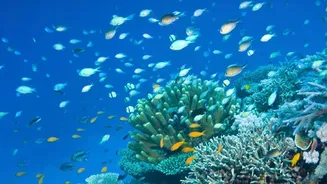
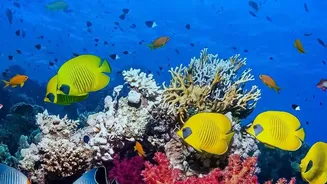
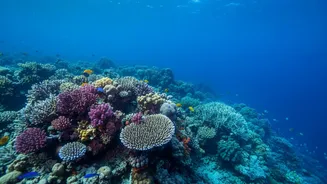
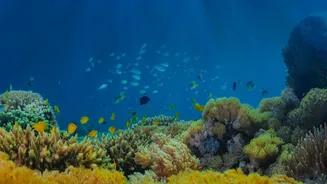
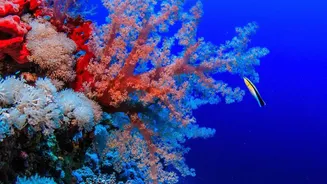
Coral reefs are the vibrant, bustling cities of the ocean, supporting about a quarter of all marine life. But as climate change warms the seas, these ecosystems are facing a severe threat: mass bleaching. When water gets too warm for too long, corals
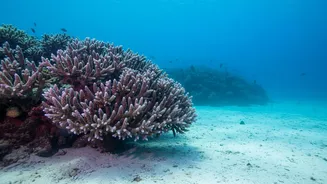
expel the symbiotic algae living in their tissues, causing them to turn white and starve. Recent years have seen devastating global bleaching events, pushing many of the world's reefs toward collapse and threatening the coastlines and economies that depend on them. The scale of the problem can feel overwhelming, but within these threatened ecosystems, scientists are discovering remarkable signs of resilience.
Meet the 'Super Corals'
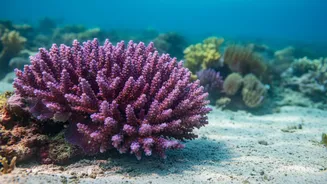
It turns out, not all corals are created equal. Just as some people handle stress better than others, some coral species and even individual colonies are naturally more tolerant of heat. These so-called “super corals” have been found in surprisingly hostile environments, such as unusually warm lagoons in the Pacific or shallow pools in American Samoa. They have adapted over time to withstand temperatures that would cause others to bleach. This natural toughness is a game-changer, offering a blueprint for resilience that scientists are now racing to understand and utilize.
How Scientists Find These Survivors
Identifying these resilient corals is a high-tech detective story. Scientists use a combination of methods, from old-fashioned observation to cutting-edge genetics. After a marine heatwave, they survey reefs to see which corals survived. In the lab, researchers collect coral fragments and subject them to controlled heat stress tests to measure their bleaching threshold. They also sequence the corals' DNA to pinpoint the specific genetic markers responsible for heat tolerance. By combining field observations, lab experiments, and genetic analysis, scientists can create a map of resilient corals, identifying hotspots of natural survivability.
The Breakthrough in Active Restoration
Finding these corals is one thing, but the real breakthrough lies in how they can be used. This knowledge is transforming coral restoration from a passive to an active strategy. Instead of simply replanting any coral, conservationists can now be much more strategic. Restoration projects can prioritize growing and planting corals that are known to be genetically more heat-tolerant. This practice, known as assisted evolution or resilience-based restoration, involves creating nurseries of heat-adapted corals and using them to re-seed damaged reefs. The goal is to bolster the overall resilience of reef ecosystems, helping them better withstand future warming events.
A Reality Check: No Silver Bullet
While promising, heat-resistant corals are not a cure-all. Experts caution that this is just one tool in a much larger toolbox. For one, focusing too much on a single trait like heat tolerance could inadvertently reduce genetic diversity, potentially making reefs vulnerable to other stressors like disease or ocean acidification. Furthermore, restoration is expensive, and scaling these efforts to cover vast ecosystems like the Great Barrier Reef is a monumental challenge. Most importantly, these efforts do not address the root cause of the problem: climate change driven by carbon emissions.