





Powering a World of Extremes
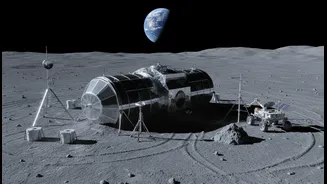
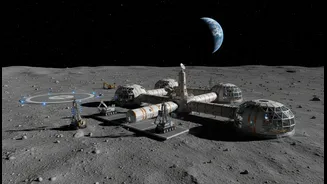
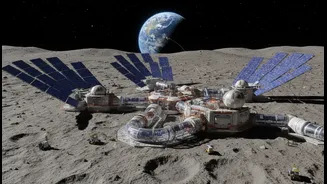
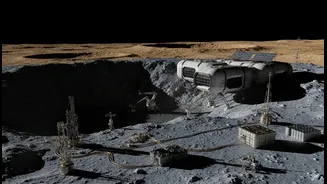
One of the biggest hurdles for a sustainable lunar presence is power. The moon's south pole, a target for the base, experiences extreme temperature swings and long periods of darkness lasting up to two weeks. To solve this, NASA and its partners are developing
a mix of advanced solar arrays, nuclear fission power sources, and innovative energy storage and distribution systems. These aren't just for the moon; the research into creating a resilient, flexible lunar power grid could directly influence how we build and manage power on Earth. Technologies like modular power converters and wireless energy transmission, designed to work in harsh lunar conditions, could accelerate the development of more robust and efficient microgrids in remote communities or disaster-prone areas. The push for reliable off-world power may ultimately lead to a more stable and sustainable energy future for everyone.
Building with Dust and AI
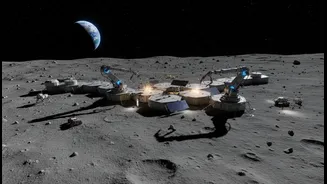
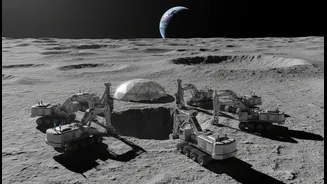
Shipping building materials from Earth to the moon is astronomically expensive. The solution is to use what's already there through a process called In-Situ Resource Utilization (ISRU). NASA is heavily investing in technologies to 3D print structures like landing pads and habitats using lunar regolith (moon dust). This involves advanced robotics, autonomous construction systems, and AI to manage the process. The spinoff potential is enormous. Companies are already using concepts developed for lunar construction to 3D print affordable housing and custom building components on Earth. As these technologies mature, they could offer faster, more sustainable, and potentially cheaper construction methods, using local materials to reduce the carbon footprint of the building industry.
The Ultimate Recycling System
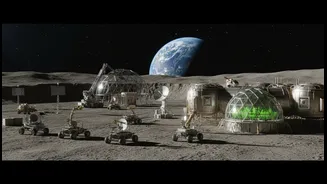
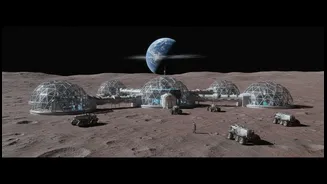
Keeping astronauts alive hundreds of thousands of miles from home requires the ultimate closed-loop life support system. Every drop of water, every molecule of oxygen, must be recycled. NASA and the European Space Agency are perfecting systems that reclaim potable water from urine and cabin humidity, and even convert the carbon dioxide exhaled by astronauts back into breathable oxygen. While the International Space Station has already demonstrated some of these capabilities, the goal for the moon base is near-total self-sufficiency. This relentless drive for efficiency has profound implications for Earth. The advanced filtration and purification techniques could be deployed in water-scarce regions, while the principles of a closed-loop ecosystem could inspire more sustainable urban planning and resource management, teaching us to treat Earth more like a spaceship with finite resources.
Smarter, Tougher Robotics
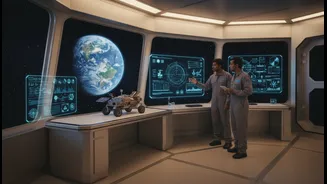
A lunar base will rely heavily on robots for everything from construction and maintenance to scientific exploration. These machines need to be durable enough to withstand abrasive lunar dust and extreme temperatures, and smart enough to perform complex tasks with minimal human intervention. NASA is developing uncrewed rovers that can be operated remotely, along with humanoid robots capable of assisting astronauts with routine tasks. The software and hardware being developed for this purpose have direct applications on Earth. The AI that helps a rover navigate treacherous lunar terrain can also power autonomous vehicles and machinery in mines or on farms. Humanoid robots designed for the moon are already finding their way into warehouses and assembly lines, promising to make workplaces safer and more efficient.