



The Original, Ambitious Blueprint
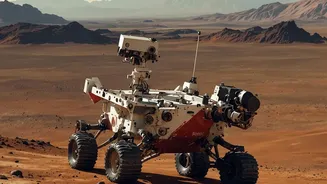
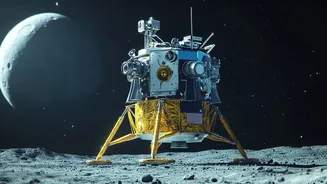
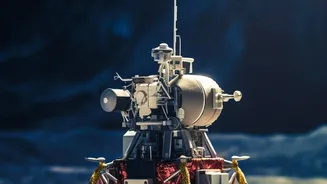
The Mars Sample Return (MSR) mission has been a top priority for scientists for decades. The original plan, a joint effort with the European Space Agency (ESA), was a multi-stage marvel of engineering. First, a Sample Retrieval Lander would touch down
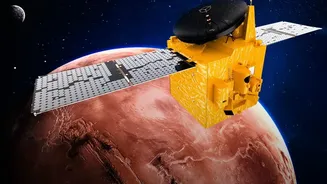
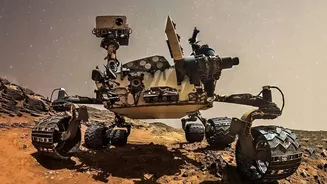
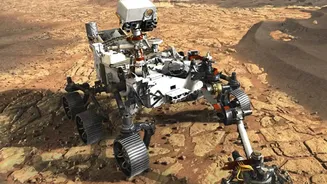
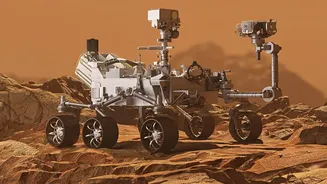
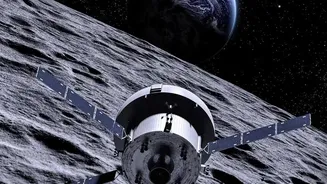
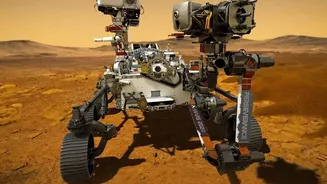
in Jezero Crater, where the Perseverance rover has been caching samples in titanium tubes. Then, a small fetch rover or helicopters would collect these tubes and load them into a 'Mars Ascent Vehicle' (MAV)—a small rocket. This MAV would then make history by launching from the surface of another planet, carrying the samples into Martian orbit. Finally, an Earth Return Orbiter, built by ESA, would rendezvous with the orbiting sample container, capture it, and begin the long journey back to Earth. It was a complex, multi-billion-dollar celestial relay race, designed to bring the first pristine pieces of Mars to terrestrial labs for analysis.
A Sobering Reality Check
The grand plan hit a wall of reality. An independent review board concluded in late 2023 that the mission, as designed, had unrealistic budget and schedule expectations from its inception. The board found there was a 'near zero probability' of meeting the planned 2028 launch dates. The price tag had ballooned to a projected $11 billion, and the timeline had stretched, with the samples not expected to arrive on Earth until 2040. For NASA Administrator Bill Nelson, that was simply too much and too long. 'The bottom line is that an $11 billion budget is too expensive, and a 2040 return date is unacceptably too far away', he stated, acknowledging the mission's immense complexity. With budget constraints from Congress tightening, it became clear the original architecture was no longer feasible without cannibalizing other vital science missions.
Back to the Drawing Board
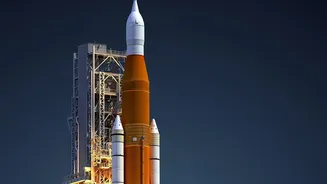
In response, NASA has officially hit the reset button, calling for 'out-of-the-box' thinking. The agency has solicited proposals from its own centers and from private industry to find a faster, more affordable, and less risky way to get the job done. NASA awarded contracts for 90-day studies to several companies, including established aerospace giants like Lockheed Martin and Northrop Grumman, as well as newer players like SpaceX and Blue Origin. The proposals explore a wide range of innovative architectures. Ideas include leveraging proven technologies, potentially combining what were once separate lander and orbiter missions, or even using entirely new vehicles like SpaceX's Starship, which has the potential to return a massive amount of material from Mars. This new phase is about finding a workable plan that can return the samples sometime in the 2030s at a more manageable cost.
Why These Rocks Are Worth It
The reason for this immense effort is the unparalleled scientific potential held within these rock cores. Perseverance has been exploring Jezero Crater, an area believed to have once been a lake and river delta over 3.5 billion years ago. Scientists believe that if life ever existed on Mars, this is one of the most likely places to find evidence of it. Bringing the samples to Earth allows for analysis with powerful, sophisticated instruments that are far too large and complex to send to Mars. These samples could revolutionize our understanding of how planets form, why Mars turned from a wet world to a dry one, and answer the profound question of whether life has ever existed beyond Earth. It’s a scientific prize so great that even a complete mission overhaul is considered worthwhile.