




Searching for a cardio workout that's cheap, efficient, and fun? The humble jump rope, often left in the schoolyard, is a powerhouse fitness tool that can dramatically boost your heart health, endurance, and coordination.
An Unbeatable Cardio Workout
Jumping rope is one of the most
effective cardiovascular exercises you can do. It elevates your heart rate quickly, making for a highly efficient workout. In fact, studies have shown that just 10 minutes of daily rope skipping can be as effective for improving cardiovascular efficiency as 30 minutes of jogging. In terms of calorie burn, vigorous jump rope can burn between 10 to 16 calories per minute, putting it on par with, or even ahead of, running at a moderate pace. This high-intensity activity strengthens your heart and lungs, improves endurance, and engages your entire body, from your legs and core to your upper body.
Choosing Your First Rope
The type of rope you use can significantly impact your workout. For beginners, a beaded rope is often recommended because its weight provides excellent feedback, making it easier to feel the rope's rotation and master your timing. Another great option is a basic PVC rope, which is light and versatile. As you advance, you might consider heavier ropes for strength building or lighter speed ropes for agility and double unders. To find the right length, stand on the middle of the rope with both feet; the handles should reach your armpits or lower chest. It's better to start with a rope that's slightly too long than one that's too short.
Mastering the Basic Form
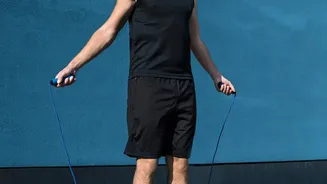
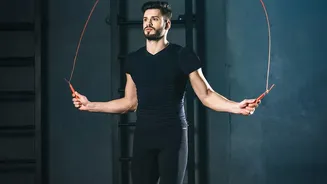
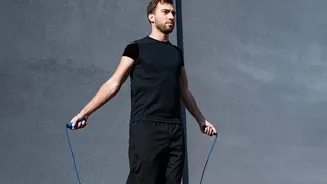
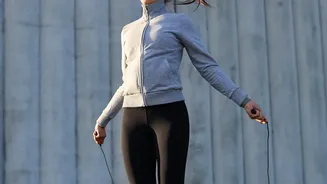
Proper form is crucial for efficiency and injury prevention. Stand tall with your shoulders relaxed and your eyes looking straight ahead. Keep your elbows close to your body, near your hips, and use your wrists to rotate the rope, not your whole arms. The jump itself should be small, just an inch or two off the ground—only high enough for the rope to pass underneath. Always land softly on the balls of your feet, keeping your knees slightly bent to absorb the impact. Avoid kicking your feet back or jumping with your heels. Practicing the basic bounce without the rope first can help you find your rhythm.
Your First Jump Rope Workout
When you're starting out, consistency is more important than intensity. A simple warm-up of ankle circles and calf raises is a good idea before you begin. For your first workout, try a simple interval structure. Set a timer for five or ten minutes. Jump for 30 seconds at a comfortable pace, then rest for 30 seconds. Repeat this cycle until the timer ends. This approach helps you build endurance without getting overly fatigued. As you get more comfortable, you can increase the jumping intervals or decrease the rest periods. Don't worry about tripping; it's a normal part of the learning process for everyone.
How to Progress and Stay Motivated
Once you've mastered the basic twond foot jump, you can start to introduce variety to keep things interesting and challenging. Try the alternate foot step, which mimics running in place. You can also incorporate other movements like side to side jumps or high knees to work different muscles and improve coordination. As your fitness improves, you might aim to complete a certain number of jumps or try more advanced skills like single leg hops or even double unders, where the rope passes under your feet twice in a single jump. The key is to progress gradually and have fun with it.