







The Anatomy of a Sugar Crash
A “sugar crash” is the feeling of fatigue that follows a large intake of simple carbohydrates or refined sugars. Most popular breakfast cereals—especially flaked, puffed, or frosted varieties—are packed with them. When you eat these, your body rapidly
breaks them down into glucose, causing a sharp spike in blood sugar. Your pancreas then releases a surge of insulin to manage this sugar rush. This rapid hormonal response can be too effective, pulling too much glucose out of your blood and causing your energy levels to plummet, leaving you feeling tired, irritable, and unfocused just a couple of hours after your meal.
Deconstructing the Cereal Bowl
The manufacturing process for most cereals, known as extrusion, subjects grains to extreme heat and pressure. This process destroys the grain's natural structure, making the starches incredibly easy for your body to digest—almost like a pre-digestion. As a result, cereals like corn flakes and puffed rice can have a very high glycemic index (GI), a measure of how quickly a food raises blood sugar. Corn flakes, for instance, have a GI of around 81 to 93, which is comparable to pure glucose. While some cereals are fortified with vitamins, they are often low in protein, healthy fats, and the fibre needed to slow digestion and prevent this rapid energy spike and subsequent crash.
The Science of Lasting Stamina
Lasting stamina comes from a steady release of energy, which is precisely what complex carbohydrates, fibre, and protein provide. Unlike the simple carbs in sugary cereals, complex carbs are made of longer sugar molecule chains that take your body more time to break down. This results in a slower, more gradual rise in blood sugar and a sustained supply of fuel. Foods that are rich in fibre, protein, and healthy fats further slow down digestion, promoting satiety and keeping your energy levels stable for hours. This is the nutritional principle that makes many traditional Indian breakfasts so effective.
Poha: A Balanced Plate of Energy
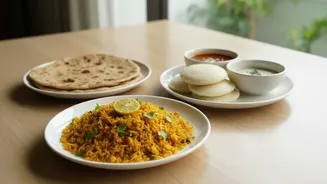
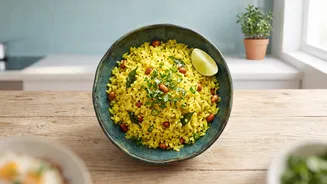
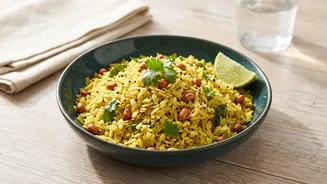
Poha, or flattened rice, is a staple breakfast in many parts of India for good reason. While the poha flakes themselves are primarily carbohydrates, they are less processed than cereal grains and typically have a moderate glycemic index. More importantly, poha is rarely eaten alone. A typical preparation includes onions, sometimes peas or potatoes, and is often tempered with spices and garnished with peanuts, fresh coriander, and a squeeze of lemon juice. This combination is key. The vegetables add fibre, the peanuts provide crucial protein and healthy fats, and the lemon juice adds vitamin C which aids iron absorption. This balanced mix of macronutrients slows down the absorption of carbohydrates, preventing a sharp blood sugar spike and ensuring a steady, reliable release of energy.
The Wisdom of Traditional Breakfasts
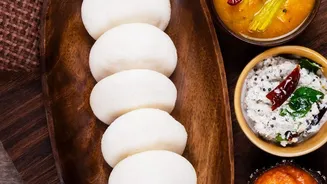
The principle behind poha extends to a wide array of regional Indian breakfasts. Options like idli and dosa, made from fermented rice and lentil batter, offer a mix of carbohydrates and protein that is easy on the gut. Upma, when made with vegetables, and dal chilla (savoury lentil pancakes) are other excellent examples of balanced meals that provide complex carbs, protein, and fibre. These dishes are traditionally prepared fresh, avoiding the refined sugars and preservatives common in packaged foods. They represent a time-tested approach to nutrition, combining whole ingredients to create meals that are not just flavorful but also functionally designed to fuel the body for hours.