




A Sudden, Shocking Reversal
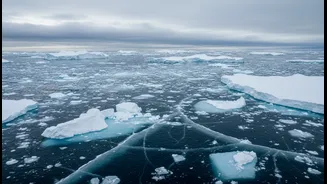
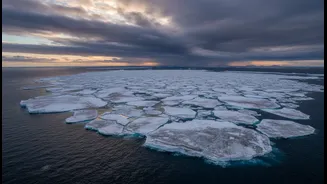
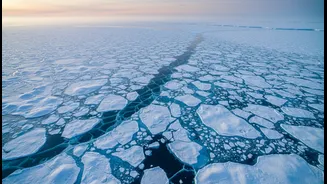
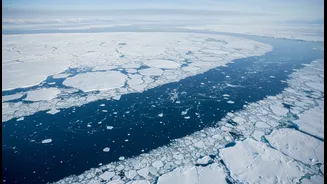
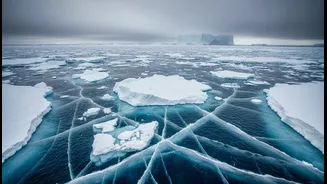
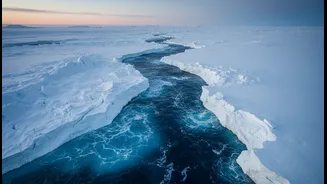
For years, while the Arctic’s ice cap visibly dwindled, Antarctica’s sea ice presented a confusing picture, even showing modest expansion. That comforting trend came to an abrupt end around 2016. Since then, the sea ice, which is frozen ocean water surrounding
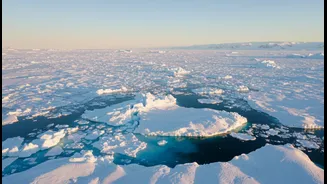
the continent, has plummeted to record lows. In February 2023, it hit its lowest extent since satellite records began, a staggering 38% below the long-term average for that month. This wasn't a gradual slide but a rapid regime shift, leaving an area of open ocean that was once ice-covered, larger than Western Europe. Scientists now speak of a 'new low-ice era' for Antarctica, a fundamental change in the state of the Southern Ocean.
What is Causing the Melt?
The decline is not a simple story of warmer air. New research points to a complex combination of factors. A key culprit is the ocean itself. For years, a layer of cold, fresh water at the surface acted like a lid, trapping warmer, saltier water deep below. However, changes in wind patterns, partly driven by global warming, have started to weaken this protective barrier. These shifting winds are causing the deep, warm water to rise to the surface, where it melts the sea ice from below. In West Antarctica, increased cloud cover has also trapped heat, contributing to the melt. This has created a dangerous feedback loop: as white, reflective ice is replaced by dark, heat-absorbing ocean, the water warms further, which in turn melts more ice and makes it harder for new ice to form.
Global Consequences, Indian Concerns
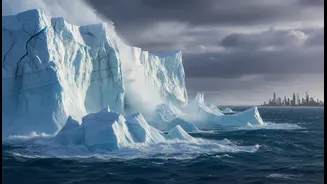
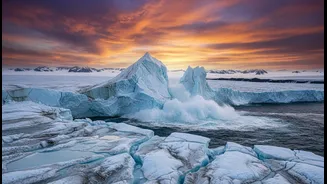
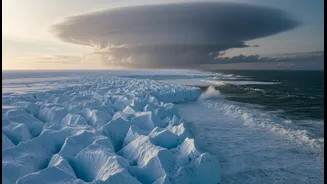
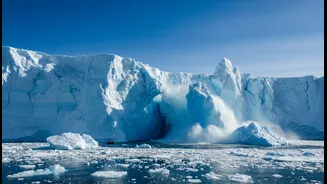
What happens in Antarctica does not stay in Antarctica. The continent acts as the planet's refrigerator, and its stability is crucial for global climate systems. The loss of sea ice has several immediate consequences. It exposes coastal ice shelves—the massive tongues of ice extending from the land-based ice sheet—to damaging ocean waves, potentially accelerating their collapse and contributing to sea-level rise. For India, with its extensive 7,500-kilometre coastline and densely populated cities like Mumbai and Kolkata, the threat of sea-level rise is dire. Studies warn that tens of millions of Indians are at risk from rising seas by 2050. Furthermore, changes in the Southern Ocean can disrupt large-scale atmospheric and oceanic currents, which could affect the reliability and intensity of the Indian Summer Monsoon, a lifeline for the nation's agriculture and economy.
A Global Race for Answers
The shocking speed of the ice loss has galvanised the international scientific community. Researchers are in a race against time to gather data and improve climate models that failed to predict this sudden shift. Major initiatives, like the Antarctic Circumnavigation Expedition (ACE), have brought together scientists from dozens of countries to conduct a holistic study of the Southern Ocean. Using satellites, robotic ocean probes, and research vessels, they are measuring everything from sea-ice thickness to the health of marine ecosystems. A critical missing piece of the puzzle is circumpolar sea-ice thickness, which is vital for understanding the long-term health of the ice pack. These research efforts aim to understand if the continent has passed a critical tipping point and to provide more reliable projections for the future, which are essential for governments worldwide to plan for the inevitable impacts.