


From Niche Health Drink to Mainstream Staple
Just a few years ago, matcha was a niche product in India, found mostly in wellness circles or brought back from trips abroad. Today, it’s a menu mainstay in urban centres, with Bengaluru leading the charge. The city's cafés, which once built their identities
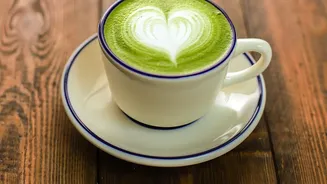
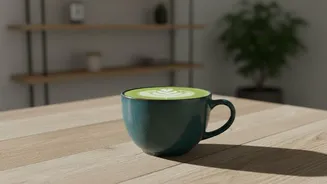
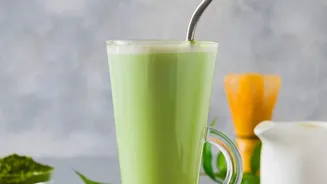
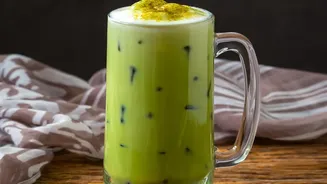
around single-origin coffee, are now embracing matcha lattes, desserts, and creative concoctions. This shift is driven by a new generation of consumers, particularly millennials and Gen Z, who are seeking alternatives to coffee that offer both a gentle caffeine kick and a story of wellness. With its rich antioxidant profile and calming properties, matcha fits perfectly into a growing culture of health-consciousness.
The Rise of the Matcha-Forward Café
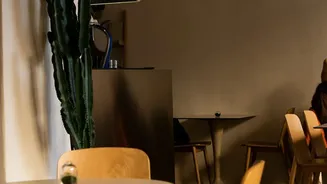
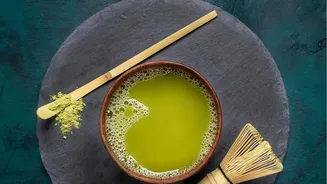
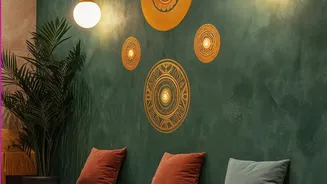
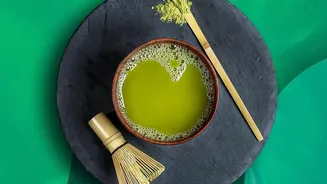
This isn't just about adding a new drink to the menu; it's about building entire experiences around it. A new generation of cafés is emerging with matcha at their core. Establishments like Sakura Matcha Bar, touted as one of the city's first dedicated matcha bars, have developed a cult following by serving ceremonial-grade matcha in drinks like their popular Strawberry and Lavender lattes. Others, such as Ela Matcha and Turtle Matcha in Indiranagar, have adopted a minimalist aesthetic, creating calm, modern spaces that complement the Zen-like ritual associated with the Japanese tea. These cafés focus on quality, often sourcing their matcha powder from specific regions in Japan like Shizuoka, to offer an authentic flavour profile that distinguishes them from the competition.
More Than a Drink, It's an Experience
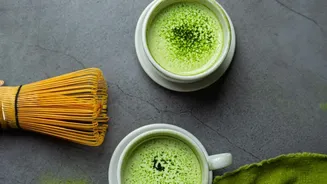
The appeal of matcha extends beyond its taste and health benefits; it is deeply intertwined with aesthetics and lifestyle. The drink’s vibrant green colour makes it highly 'Instagrammable,' a key factor in its rapid spread on social media. Café owners have leaned into this, designing minimalist, well-lit spaces that make for perfect photo backdrops. The experience is as much a part of the product as the drink itself. This focus on atmosphere reflects a broader trend in Bengaluru where cafés are evolving into lifestyle hubs for work, socialising, and content creation. For many young Bengalureans, ordering a matcha latte is a statement—it signifies a connection to global trends, a focus on wellness, and an appreciation for modern, curated experiences.
An Innovative Canvas for Flavour
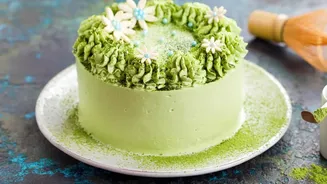
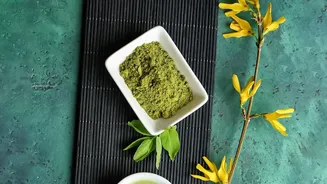
While traditional matcha preparations are gaining appreciation, Bengaluru's chefs and baristas are also using the ingredient as a canvas for innovation. The versatility of matcha powder allows it to be infused into a wide array of foods and drinks. Some cafés are experimenting with unique combinations, like the Fruit Loop Matcha at The Dual Room or the Iced Brown Sugar Espresso & Matcha Latte at The Caffeine Baar. Maverick & Farmer has created a seasonal menu with Indian-inspired twists like a matcha aam panna, which blends the earthy umami of the tea with the smoky, tangy flavour of roasted green mangoes. Even desserts are getting a green makeover, with matcha appearing in everything from soft-serve ice cream and mochi to financiers and tiramisu.
What's Next for the Green Wave?
The growth of matcha in India is impressive, with market projections showing a compound annual growth rate of 8.6%. Bengaluru, with its dynamic and experimental food scene, is at the forefront of this movement. The trend signifies a maturing palate in the city, where consumers are increasingly open to complex and nuanced flavours beyond the familiar. While coffee culture remains strong, matcha has carved out a significant and growing space for itself. As more entrepreneurs recognise the demand for high-quality, authentic matcha, the challenges of sourcing and education are being met with dedicated bars, workshops, and a clearer distinction between ceremonial and culinary grades. This green wave is not just a passing fad; it's a reflection of Bengaluru's identity as a modern, global city that is always thirsty for something new.