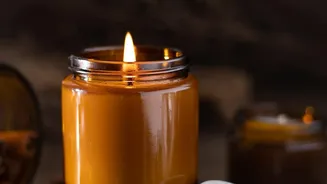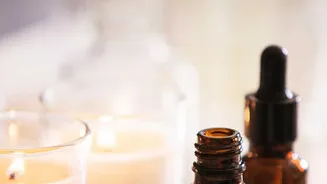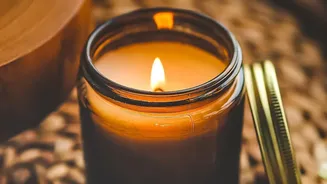




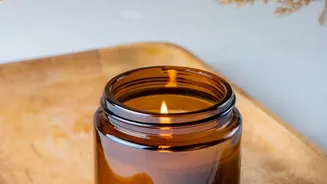
There’s a unique satisfaction in filling your home with a scent you’ve crafted yourself. Homemade scented candles offer a personal touch to your space, but achieving that perfect, fragrant burn requires a little know-how. Here’s what you should know.
The Foundation: Choosing Your Wax
The wax you choose is the heart of your candle, influencing everything from burn time to scent release. For beginners, soy wax is a popular and forgiving choice. It's a natural, clean-burning option made from soybeans and holds fragrance well, though it often requires a 'curing' period of one to two weeks for the best scent throw. Paraffin wax, a traditional choice, is known for its excellent ability to release strong scents and hold vibrant colours. Coconut wax blends, often mixed with soy or apricot wax, are a more premium option, prized for their creamy appearance and superb scent throw, making them a favourite for luxury candles. Beeswax is another natural option with its own subtle, sweet honey aroma, but it can be more challenging for beginners to work with.
The Soul of the Candle: Scent
When it comes to scenting your candle, you have two main choices: essential oils (EOs) and fragrance oils (FOs). While essential oils are derived directly from plants, they are often not the best choice for candles. Many EOs are volatile and have low flash points, meaning their scent can burn off quickly in hot wax, resulting in a weak or inconsistent fragrance when the candle is lit. Fragrance oils, on the other hand, are specifically formulated for stability in high heat, making them far more reliable for achieving a strong, lasting scent throw. They also offer a much wider variety of scent profiles, including complex blends like 'fresh baked cookies' or 'sea salt' that can't be replicated with a single essential oil. For a robust and dependable fragrance, high-quality, candle-safe fragrance oils are the recommended choice.
Wick Wisdom: The Engine of the Burn
A candle's wick is more than just a string; it's the engine that controls the burn. The right wick ensures the wax melts evenly across the container, preventing 'tunnelling' where the candle burns down the middle, wasting wax and fragrance. Using a wick that is too small for your container will result in a weak melt pool and a faint scent. Conversely, a wick that is too large can create a dangerously high flame, soot, and smoke. The ideal wick size depends on several factors: the type of wax, the diameter of your container, and the amount of fragrance oil used. Cotton wicks are a versatile and common choice, while wooden wicks offer a modern aesthetic and a gentle crackling sound. The only true way to find the perfect wick is through testing.
Safety First, Scent Second
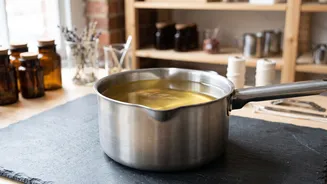
Working with hot wax requires caution. Always set up your workspace in a well-ventilated area, away from children and pets, and cover surfaces with newspaper to catch any spills. Use a double boiler or a dedicated wax melter to heat your wax, never melting it directly on a stovetop, which can create a fire hazard. A thermometer is essential for monitoring the wax temperature. Most waxes should be heated to around 85°C (185°F) before adding fragrance oil. Adding oil when the wax is too hot can cause the scent to evaporate; adding it when it's too cool prevents it from binding properly. Always wear protective gear like gloves and safety glasses, and never leave melting wax unattended.
Troubleshooting a Weak Scent
One of the most common frustrations for beginners is a candle that smells wonderful when unlit but has a weak 'hot throw' when burning. Often, this is caused by an undersized wick that can't create a wide enough melt pool to release the fragrance. Another culprit is an insufficient fragrance load; most soy waxes perform best with a fragrance load of 8–10% by weight. Rushing the process is another issue. After adding fragrance oil to hot wax, it should be stirred gently but thoroughly for a full two minutes to ensure it binds properly. Finally, patience is key. Most natural waxes, especially soy, need to cure for one to two weeks before burning. This curing time allows the fragrance and wax to fully bond, resulting in a much stronger scent throw.