








Why Is Everyone Talking About It?
Every year, as clouds gather and the first drops of rain hit the parched earth, a familiar sense of joy sweeps across India. But along with the romance of the monsoon comes a less welcome guest: a spike in water-borne diseases, digestive issues, and general
sluggishness. This year, however, the conversation isn't just about avoiding pakoras from the street-side vendor. A more structured approach, termed 'monsoon food discipline', is gaining traction online and in wellness circles. It’s a move away from random dietary hacks towards a holistic system of eating that aligns with the season. This buzz is fuelled by a growing desire for preventative wellness and a renewed interest in traditional Indian wisdom, particularly Ayurveda, which has prescribed seasonal eating regimens for centuries.
The Ayurvedic Connection: Your Digestive Fire
The foundation of the monsoon diet lies in Ayurveda, the ancient Indian system of medicine. According to its principles, the monsoon season, or 'Varsha Ritu', is a time when the 'doshas' (elemental energies in the body) are imbalanced, particularly Vata (air and space). More importantly, the 'Agni', or digestive fire, is believed to be at its weakest. Think of your digestive system as a fire; during the humid, damp monsoon, this fire becomes weaker and struggles to burn brightly. This is the traditional explanation for why we often feel bloated, gassy, or lose our appetite during this season. The goal of a monsoon diet is simple: eat foods that are easy to digest and help rekindle that digestive fire, thereby strengthening your immunity and keeping seasonal illnesses at bay.
Eat This: Monsoon Must-Haves
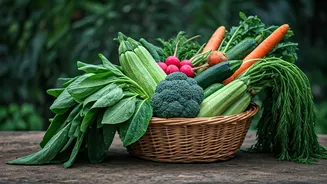
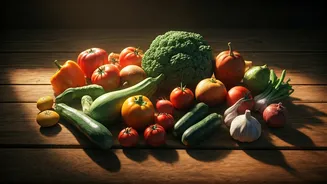
So, what does a monsoon-friendly plate look like? The key is to favour light, warm, and freshly cooked meals. Opt for old grains like barley, oats, and rice, which are easy on the stomach. Soups, particularly those made with lentils and vegetables like bottle gourd (lauki) and ridge gourd (turai), are excellent. Instead of raw salads, switch to steamed or lightly sautéed vegetables. Incorporate warming spices like ginger, garlic, turmeric, black pepper, and asafoetida (hing) in your cooking. These not only add flavour but are also known for their digestive and anti-inflammatory properties. When it comes to fruits, choose seasonal options like pomegranates, plums, and cherries. A small piece of jaggery post-meal can also aid digestion.
Not That: Foods to Approach with Caution
Just as important as what to eat is what to avoid. First on the list are raw leafy green vegetables like spinach and cabbage. The high humidity and moisture make them susceptible to germs and microbes that are harder to wash away. If you must have them, ensure they are thoroughly cleaned and well-cooked. Heavy, fried foods are a definite no-go, as they are difficult for a weakened digestive system to handle. This might be hard to hear, but it’s wise to limit dairy products like milk, yoghurt, and paneer, as they can be heavy and increase phlegm. Cold and raw foods, including juices and elaborate salads, should also be minimised. And it goes without saying, but street food, especially anything with chutneys or uncooked ingredients, carries a higher risk of contamination during this season.
Beyond the Plate: A Holistic Approach
True monsoon discipline isn't just about food. It extends to your overall lifestyle. Hydration is crucial, but it’s best to drink boiled or purified water. Herbal teas made with tulsi, ginger, and mint are fantastic for both hydration and immunity. Traditional wisdom also advises against sleeping during the day, as it can slow down metabolism and lead to indigestion. Keeping your surroundings clean and dry is equally important to prevent the breeding of mosquitos and other pests. Think of it as creating a balanced internal and external environment to help your body navigate the challenges of the season with ease and strength.