






The Lure of the 'Self-Transfer'
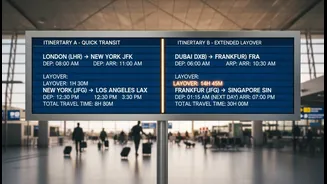
Let's first define what we're talking about. Booking on 'separate tickets'—also known as a 'self-transfer'—is when you piece together your journey with two or more individual bookings instead of one seamless itinerary. For example, you might book a flight
from Mumbai to Dubai on one airline, and then a completely separate ticket from Dubai to London on another. It might even be on the same airline, but with two different booking reference numbers. On the surface, this can sometimes look cheaper, giving you the illusion of being a savvy travel hacker. But this 'saving' comes with a perilous catch: the airlines see these as two completely unrelated journeys.
When One Delay Creates a Domino Effect
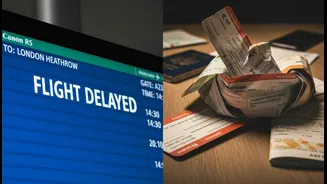
Here is the critical risk: If your first flight is delayed for any reason—weather, a technical issue, air traffic—the airline for your second flight has zero obligation to help you. As far as they are concerned, you are simply a 'no-show' for their flight. Your ticket for that second leg will likely be cancelled with no refund, and any onward flights on that same booking could be voided too. You are now stranded in the connecting airport, having lost the money for your second flight and facing the horrifyingly high cost of a last-minute, one-way ticket to your destination. For a trip to a family wedding or a once-in-a-lifetime concert, this is a nightmare scenario.
Why You're on Your Own
The core of the issue is liability. When you book a journey on a single ticket (even if it involves multiple airlines), you have a single contract. The airlines have an agreement to get you to your final destination. If a delay on one leg causes you to miss a connection, it is their responsibility to rebook you on the next available flight, often at no extra cost. With separate tickets, you have two separate contracts. Each airline is only responsible for getting you from Point A to Point B on their specific ticket. They are not required to communicate with each other or protect your onward journey. Even if both flights are with the same airline, if they are on separate booking numbers, the same rule usually applies: you are not protected.
The Baggage and Bureaucracy Trap
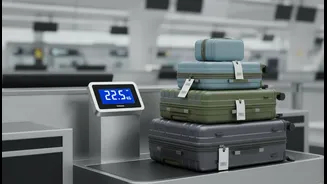
The logistical headaches go beyond just the flights. With self-transfers, you almost always have to collect your checked baggage, exit the secure area, re-check your bags with the next airline, and go through security screening all over again. On international trips, this also means clearing immigration and customs in the connecting country, for which you may need a transit visa. This process eats up a huge amount of time. A standard 90-minute layover that's perfectly safe on a single ticket becomes impossibly tight when you have to re-check bags. A small delay on your incoming flight could mean you miss the baggage check-in deadline for your next one, even if you could have made the flight itself.
The Safest Way to Book
For any trip where your timely arrival is non-negotiable, the solution is simple: book your entire journey on a single ticket with one booking reference number. Use the 'multi-city' or 'multi-stop' function on airline websites or search engines to build your itinerary. It may appear slightly more expensive upfront, but you are not just buying a flight; you are buying protection. You are ensuring that if a delay occurs, the airline has a contractual duty to get you to your final destination. This peace of mind is invaluable. Don't rely on travel insurance to fix a self-transfer mishap either; many standard policies will not cover missed connections on separate tickets, as they see it as a risk you chose to take.