





Ginger for Digestion and Warmth
Ginger is a monsoon powerhouse, valued in Indian households for generations. Its active compound, gingerol, has potent anti-inflammatory and antioxidant properties. During the rainy season, when our digestive fire, or agni, is considered weaker, ginger comes
to the rescue. It stimulates digestion, helps prevent bloating, and provides a comforting warmth from within. A hot cup of ginger tea, often brewed with lemon and honey, can soothe a sore throat and help fight off the colds and coughs that are common during this time. You can also grate fresh ginger into your dals, curries, and vegetable stir-fries to easily incorporate its benefits into your daily meals. It's a simple, effective way to keep your gut happy and your body warm on a damp, rainy day.
Turmeric, The Golden Healer
Turmeric, or haldi, is more than just a spice that gives curry its vibrant colour; it's a medicinal marvel perfect for the monsoon. The key to its power is curcumin, a compound known for its strong anti-inflammatory, antibacterial, and immunity-boosting effects. The damp weather can make us more susceptible to infections, and turmeric helps fortify the body's natural defences. A glass of warm turmeric milk, or 'haldi doodh', before bed is a timeless remedy for preventing respiratory issues and promoting overall wellness. Adding a pinch of black pepper to your turmeric-infused dishes can enhance the absorption of curcumin, making it even more effective. Including this golden spice in your daily cooking is one of the easiest ways to protect your health during the rainy season.
Garlic to Boost Immunity
Like ginger and turmeric, garlic is a kitchen staple with impressive health credentials for the monsoon. It contains a compound called allicin, which is released when garlic is crushed or chopped and has powerful antibiotic and antiviral properties. This makes it an excellent food for strengthening your immune system and fighting off common monsoon illnesses like the flu. Garlic also aids digestion and helps to flush out toxins from the body. Incorporating it into your diet is simple. You can add it to almost any savoury dish, from tadkas for dal and sabzis to flavourful soups and sauces. For maximum benefit, it's often recommended to let chopped or crushed garlic sit for a few minutes before cooking.
Seasonal Gourds for Light Digestion
While we often crave fried and heavy foods during the monsoon, our digestive systems actually benefit from lighter fare. Seasonal gourds like bottle gourd (lauki), ridge gourd (turai), and bitter gourd (karela) are ideal choices. These vegetables are high in water content, low in calories, and very easy to digest, which helps prevent the bloating and indigestion that can be common in humid weather. They are also packed with essential nutrients and fibre, which support good gut health. Lauki is particularly known for its cooling properties and high water content, helping you stay hydrated. Bitter gourd, despite its taste, is excellent for purifying the blood and boosting immunity. A simple sabzi or a light soup made from these gourds makes for a perfect, nourishing monsoon meal.
Pulses and Lentils for Comforting Protein
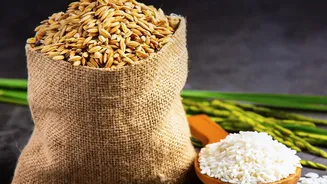
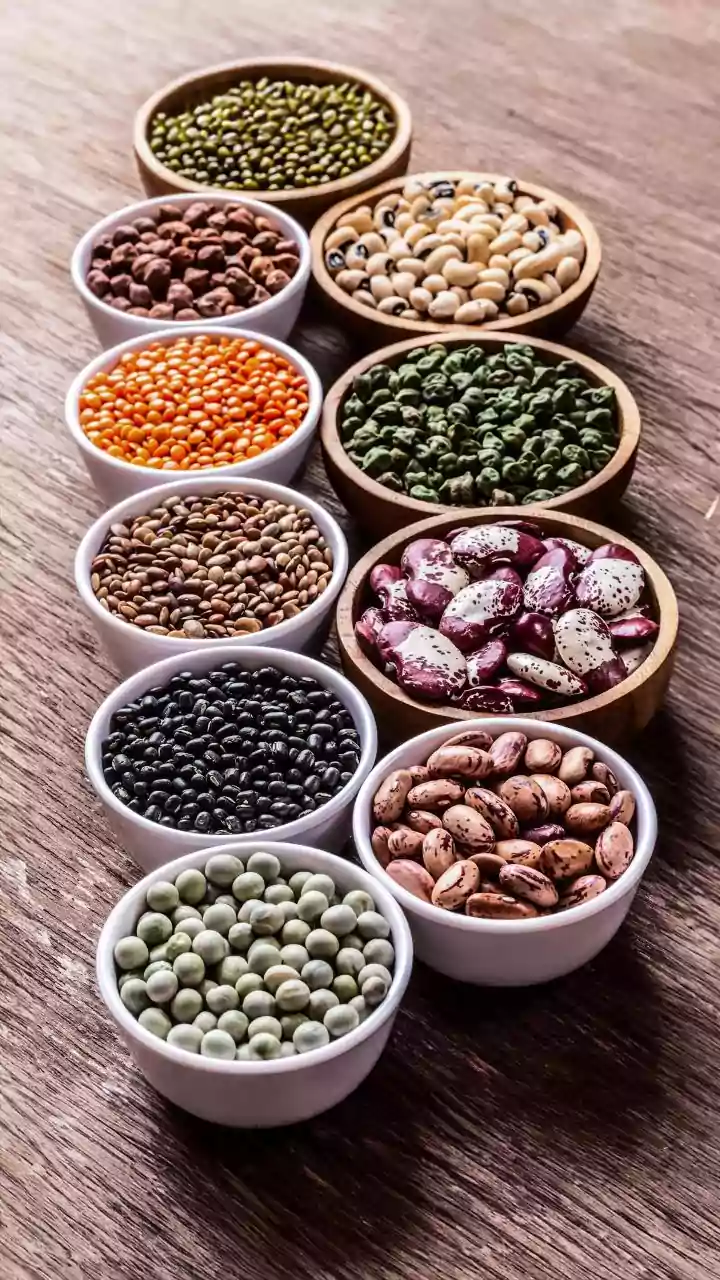
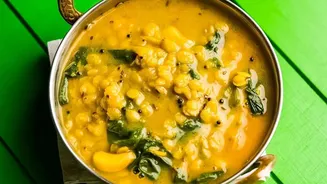
There's nothing quite like a warm bowl of dal or khichdi on a rainy day. Pulses and lentils are a cornerstone of the Indian monsoon diet for good reason. They are an excellent source of protein and fibre, providing sustained energy and keeping you full. Moong dal, in particular, is known for being exceptionally light and easy to digest, making it a go-to comfort food. A simple, one-pot khichdi made with rice and moong dal is not only deeply comforting but also provides a complete, balanced meal that is gentle on the stomach. You can enhance its flavour and nutritional value by adding spices like turmeric, cumin, and ginger. Including a variety of dals in your diet ensures you get a steady supply of protein, which is essential for maintaining a strong immune system.