



Why Change Your Shopping Habits?
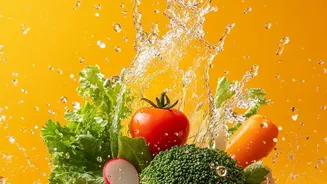
The monsoon season is a challenging time for fresh produce. The combination of high humidity, ambient warmth, and moisture creates a perfect breeding ground for bacteria, mould, and fungi. Food items spoil much faster, and the risk of contamination and foodborne
illnesses increases significantly. Vegetables that grow close to the ground can harbour dirt and microbes, while transportation and storage can become compromised, affecting the quality and safety of the food that reaches your local market. Adapting your grocery habits isn't just about avoiding waste; it's a crucial step in safeguarding your family's health.
The Small-Batch Buying Strategy
The core of smart monsoon shopping is to buy less, but more frequently. While bulk buying might seem economical, it's a risky strategy during the rains. Perishable items like vegetables, fruits, and dairy products have a much shorter shelf life. Nutritionists advise purchasing only what you can consume within a day or two to ensure freshness and minimise the risk of spoilage. This approach guarantees that you are eating food at its best quality while significantly reducing the chances of consuming something that has been compromised by the damp conditions.
Delicate Foods to Handle with Care
Certain foods are particularly 'delicate' during the monsoon. Leafy greens like spinach, cabbage, and lettuce are at the top of this list. Their large surface area and tendency to retain moisture make them highly susceptible to contamination from soil and germs, which even thorough washing might not eliminate. Similarly, cruciferous vegetables like cauliflower and broccoli, with their tightly packed florets, can trap moisture, insects, and dirt, making them difficult to clean properly. While you don't have to avoid these vegetables entirely, it's safer to buy them in very small quantities and cook them thoroughly rather than consuming them raw in salads.
Monsoon-Friendly Vegetables and Fruits
Instead of delicate greens, the monsoon offers a bounty of hardy and delicious alternatives. This is the season for gourds. Vegetables like bottle gourd (lauki), bitter gourd (karela), ridge gourd (turai), and pointed gourd (parwal) are excellent choices as they are less prone to spoilage and contamination. Other safe bets include okra (bhindi), beans, and tomatoes. When it comes to fruits, opt for those with thick, protective peels. Pomegranates, pears, plums, lychees, and jamuns are seasonal favourites that are generally safe, provided you wash them well and peel them just before eating.
Navigating Proteins and Dairy
Extra caution is required when purchasing meat, fish, and dairy during the monsoon. High humidity accelerates bacterial growth on meat, so it's vital to buy from a reputable and hygienic source and cook it thoroughly on the same day. Many experts advise limiting or avoiding fish and seafood, as the risk of water contamination is high during this season. For dairy products like milk, paneer, and yogurt, follow the small-batch rule. Buy what you need for a day or two and ensure prompt refrigeration in airtight containers to prevent spoilage.
Stocking Your Pantry Wisely
While perishables require frequent shopping trips, you can safely stock up on pantry staples. Lentils and pulses (dals), rice, and freshly milled atta are essential, but store them in airtight containers to protect them from moisture and pests. The monsoon is also the perfect time to embrace the power of spices. Ginger, garlic, turmeric, and black pepper not only add flavour but also possess natural anti-inflammatory and immunity-boosting properties that are especially beneficial during this season.