



The Millennial Burnout Machine
First, let’s be clear: millennial burnout isn’t just about being tired. It’s a state of chronic exhaustion fueled by a decade-plus of economic uncertainty, student debt, demanding work cultures, and the relentless pressure of being always online. A 2024
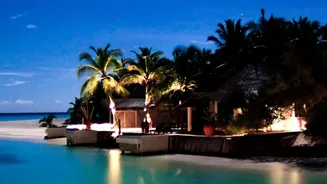
survey found that roughly half of millennials ranked travel as a top discretionary spending priority, viewing it not just as an escape but as a necessary investment in their well-being. This generation is actively seeking solutions, and the travel industry is listening. The rise of slower, more intentional trips, sometimes dubbed "Menty B Breaks," reflects a deep need to disconnect from digital fatigue and return home feeling rested before stress spirals.
Your Body's Master Clock
The solution being offered is surprisingly fundamental: fixing your body clock. Every process in your body, from hormone release to digestion, operates on a 24-hour cycle known as the circadian rhythm. This internal clock is primarily regulated by light. Bright, blue-toned light in the morning signals “wake up,” while the absence of light at night triggers the release of melatonin, the sleep hormone. Modern life is a disaster for this system. We stare at blue-light-emitting screens late into the night, work irregular hours, and spend too much time indoors, starving our bodies of the natural light cues they need. The result is a disrupted rhythm that can lead to poor sleep, fatigue, and brain fog—the very symptoms of burnout.
How Hotels Are Selling Sunshine and Darkness
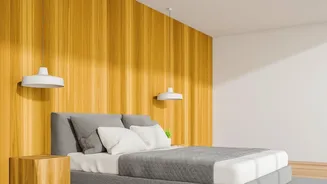
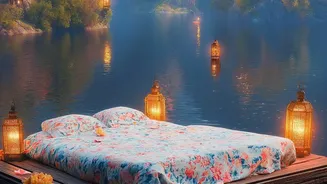
This is where boutique resorts are stepping in, transforming their properties into circadian-supportive sanctuaries. The most prominent innovation is circadian lighting, which mimics the natural progression of daylight. Guest rooms are being outfitted with smart lighting systems that produce bright, cooler light in the morning and gradually shift to warm, dim, amber tones in the evening to encourage melatonin production. The Equinox Hotel in New York, for example, has built its entire guest experience around this, offering totally blacked-out rooms and rooms that are primed for perfect rest via an iPad. Beyond lighting, these resorts focus on a suite of low-tech solutions. Think scheduled exposure to morning sun, tech-free common areas, strategically timed meals to support metabolism, and soundproofing to create a truly quiet environment for deep sleep. Some even offer wearable sleep trackers and IV therapies to provide a comprehensive wellness overhaul.
Science or Luxury Splurge?
The science behind light therapy and sleep hygiene is solid; it’s a cornerstone of treating clinical circadian rhythm disorders. Properly timed light exposure is a proven way to shift your sleep cycle and improve alertness. So, in theory, these resorts are applying legitimate science. However, a weekend trip is not a permanent cure. While a stay at a “circadian hotel” can certainly help reset your system and provide a much-needed break, experts note that lasting change comes from incorporating these habits into daily life. These resorts, then, function as immersive educational experiences. They offer a blueprint for a healthier routine, demonstrating the profound impact of managing your light exposure, meal times, and sleep schedule. For a generation that prioritizes wellness, these trips are becoming a way to learn skills for managing burnout back in the real world.