





A New Pilgrimage After Dark
A new kind of tourism is quietly taking hold across the country. It begins when the sun goes down and the highways empty. For a growing community of architecture and photography enthusiasts, the destination is not a bustling city or a serene beach, but
the cavernous, geometric depths of India's ancient stepwells. These remarkable structures, once the lifeblood of arid communities, are now the subject of a modern-day creative pilgrimage. Tour operators and photography clubs report a significant uptick in requests for night-time excursions to famous baoris and vavs, particularly in states like Rajasthan and Gujarat. It’s a trend driven by the desire for a unique shot and an even more unique experience: having a centuries-old monument all to yourself.
The Allure of Geometric Shadows
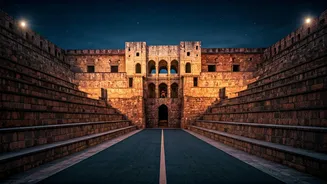
So, why stepwells? And why at night? The answer lies in their fundamental design. By day, stepwells like the famed Chand Baori in Abhaneri are marvels of repeating patterns and dizzying perspective. But at night, their character transforms entirely. Under the focused beam of a torch or the soft glow of a full moon, the symmetrical staircases cast long, dramatic shadows. The play of light and darkness accentuates the geometry, turning the structure into a high-contrast, almost abstract masterpiece. Photographers speak of the ‘graphic’ quality of the scene, where each step becomes a line in a mesmerising drawing. This stark beauty, stripped of the daytime hustle and distractions, allows the core architectural genius of these wells to take centre stage.
The Challenge and the Creative Reward
Capturing these sites after dark is no simple point-and-shoot affair. It requires technical skill, patience, and a tripod. Night photography depends on long exposures, where the camera's shutter stays open for several seconds, or even minutes, to gather enough light. This technique can turn the night sky into a swirl of stars and smooth out any ripples in the water below, creating an ethereal, dreamlike quality. Many photographers also experiment with ‘light painting,’ using handheld lights like torches or coloured gels to selectively illuminate parts of the stepwell during the exposure. The challenge is part of the appeal. The reward is a photograph that feels earned—a unique interpretation that goes beyond the standard tourist snapshot and enters the realm of fine art.
Beyond the 'Gram: A Deeper Connection
While the stunning images that result are certainly shareable on social media, for many, this trend is about more than just a viral photo. It’s about experiencing a piece of history in profound solitude. Standing alone in the cool night air, surrounded by stone steps that have felt the tread of generations, is a meditative experience. It fosters a connection to the past that is impossible to achieve amidst the chatter of daytime crowds. These wells were once hubs of social life, places where people gathered for water and conversation. The nocturnal visits, in their own quiet way, are a new form of community-building, as photographers share tips, stand in silent awe, and collectively appreciate the ingenuity of their ancestors.
Popular Hotspots on the Night Circuit
While hundreds of stepwells dot the Indian landscape, a few have become particularly popular for these night-time adventures. Chand Baori, with its 3,500 narrow steps descending 13 storeys, is the undisputed star. Its sheer scale and perfect symmetry make it a photographer's dream. In Gujarat, the UNESCO World Heritage site Rani ki Vav ('The Queen's Stepwell') offers a different kind of beauty. It’s built like an inverted temple, with galleries lined with over 500 intricate sculptures. At night, creative lighting can bring these divine figures to life. Other locations like Panna Meena ka Kund near Jaipur and the lesser-known stepwells around Bundi are also gaining favour among those looking to escape the more popular spots and find their own hidden gem.