




The Enduring Appeal of Earthenware
In an era of mass-produced decor, there's a growing appreciation for items with a human touch. Clay pottery, especially terracotta, brings an organic, earthy element into urban homes. Its appeal lies in its imperfection, texture, and the story it tells
of a craft passed down through generations. Beyond aesthetics, choosing handcrafted pottery supports local artisans and promotes sustainable, slow design. These pieces don’t just fill a space; they anchor it with warmth and a sense of history, making a contemporary home feel layered and personal.
Choosing the Right Pottery
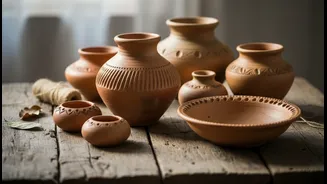
When selecting pottery, consider pieces that complement a modern aesthetic. Look for simple, sculptural forms rather than overly ornate designs. India offers a vast variety, from the rustic red terracotta of West Bengal to the iconic blue pottery of Jaipur and the unique black clay pottery found in regions like Uttar Pradesh. You can choose between raw, unglazed finishes for a more rustic feel or glazed ceramics for a polished touch. The key is to select pieces that feel authentic and speak to your personal style. Don't be afraid to mix different types, but maintain a cohesive feel through either shape or colour.
The Art of Placement and Grouping
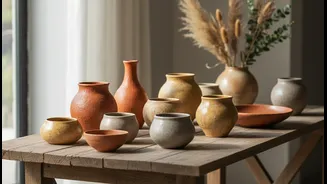
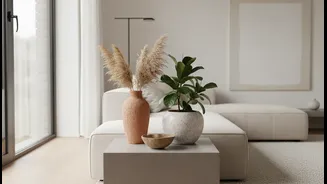
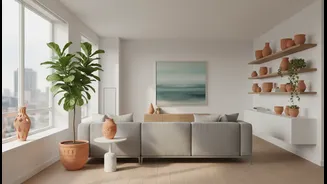
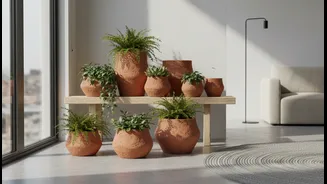
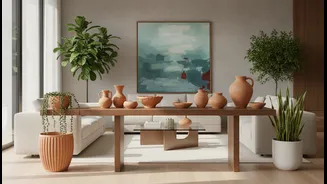
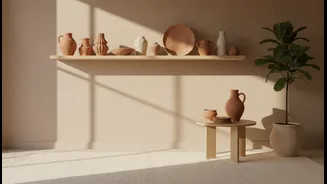
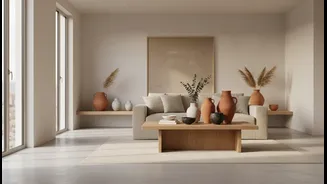
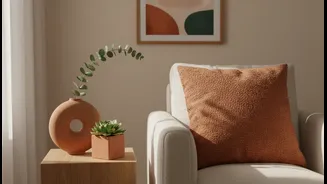
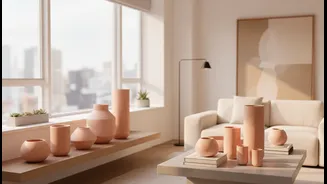
How you display your pottery is as important as the pieces themselves. A single, large floor pot can serve as a dramatic statement piece in a hallway or living room corner, especially with tall, dried grasses. For smaller items, grouping is effective. Style a cluster of three to five small vases of varying heights on a console table or open shelf. This creates a curated, landscape-like effect. Avoid cluttering a central coffee table, which can block sightlines. Instead, use side tables or window sills for smaller arrangements. Using pots as planters for indoor greenery is another excellent way to combine nature and craft.
Creating a Harmonious Colour Palette
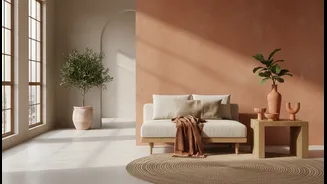
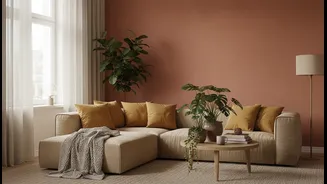
Terracotta’s warm, earthy tones pair beautifully with the neutral palettes common in modern apartments. Set against a backdrop of whites, creams, beiges, or soft greys, clay accents provide a grounding pop of colour without overwhelming the space. For a more layered look, complement terracotta with other earthy hues like olive green, mustard yellow, or deep brown. The contrast between the raw texture of unglazed clay and smooth modern surfaces like metal, glass, or polished wood can also create a compelling visual and tactile experience.
Beyond the Living Room
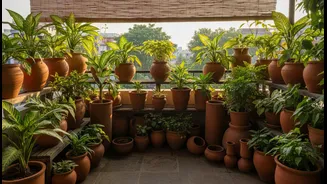
Extend the use of clay pottery beyond your main living area for a cohesive home aesthetic. In the kitchen, use ceramic jars for storage or a terracotta pot to hold utensils. Small, painted clay pots can brighten up a home office desk or a bedroom nightstand. On a balcony, terracotta planters are a natural fit for creating a small urban garden. Even the dining table can be enhanced by using a set of narrow clay vases as a centerpiece instead of a single large bouquet, allowing for easier conversation.
Sourcing Your Local Treasures
Finding authentic, locally made pottery is part of the charm. Explore local artisan markets, state-run emporiums, and craft fairs that showcase regional specialities. Many artisan collectives and studios now also sell their products online, making it easier to connect directly with the makers. Look for recognised craft traditions like Khurja pottery from Uttar Pradesh, which has a geographical indication (GI) tag for its cultural significance. By sourcing locally, you not only acquire a unique decor piece but also contribute to the preservation of India's invaluable craft heritage.