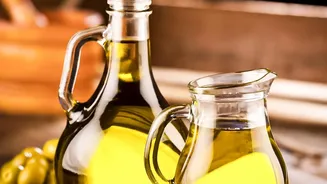







A Look at the Numbers
Across India, the cost of various edible oils has seen a significant increase over the last year, with prices climbing by nearly 20%. This isn't just a minor fluctuation; it's a persistent rise that affects everything from household cooking to the cost of street
food and restaurant meals. With the festive season approaching—a time when consumption of sweets and fried foods typically soars—the price pressure is a growing concern for both consumers and policymakers. This has contributed to a broader acceleration in India's retail inflation, which has been driven largely by rising food prices.
The Global Connection
A major reason for the price hike lies outside India's borders. The country is the world's largest importer of vegetable oils, meeting nearly two-thirds of its demand through imports. Key varieties like palm oil, soyoil, and sunflower oil are sourced from countries such as Malaysia, Indonesia, Argentina, Russia, and Ukraine. This heavy reliance makes India's domestic market vulnerable to international events. Factors like geopolitical conflicts, extreme weather patterns linked to El Niño, and disruptions in shipping have all contributed to tightening global supplies and pushing prices upward. For example, a poor soybean harvest in South America or shipping delays from the Black Sea region can quickly translate into higher costs for Indian consumers.
Biofuel and Shifting Priorities
Another significant, and often overlooked, factor is the increasing diversion of edible oils for biodiesel production. Major palm oil producers like Indonesia and Malaysia are mandating higher percentages of palm oil to be blended into their domestic fuel supplies. Indonesia, for instance, has increased its biodiesel mandate, meaning a larger portion of its palm oil is used for fuel instead of being exported as food oil. This policy, designed to reduce reliance on imported petroleum, directly reduces the amount of edible oil available on the global market, creating a supply squeeze that drives up prices for major buyers like India.
Government's Balancing Act
In response to the rising prices, the Indian government is in a delicate position. It is reportedly considering a cut in import duties on vegetable oils to provide relief to consumers ahead of the festive season. In May 2025, the government had already halved the basic import duty on crude edible oils, which brought the effective total duty to 16.5% for crude palm, soy, and sunflower oils. However, such measures are a double-edged sword. While duty cuts can lower prices, they can also increase domestic demand, which in turn can push global prices higher, partially negating the benefit. Furthermore, the government must balance consumer relief with the interests of domestic oilseed farmers, who need protection from cheap imports to remain viable. A potential compromise being discussed is a smaller duty cut of around 5% to shield farmers while still offering some price moderation.