





The Slow Decay of History
Historical documents, especially personal letters, are often one-of-a-kind treasures. They offer invaluable insights into the lives and events of the past. However, the physical materials themselves are inherently fragile. Paper, particularly from certain
eras, is prone to acidic decay, becoming yellow and brittle over time. Ink can fade, and environmental factors like humidity and temperature fluctuations accelerate this deterioration. Every time a researcher, student, or archivist handles such a document, they risk causing micro-tears or further degradation. This creates a fundamental conflict for institutions: how do you provide access to history without contributing to its destruction?
A New Life in Pixels
Digitization provides a powerful solution to this dilemma. By creating high-resolution digital surrogates, archives can offer widespread access to the content of a letter without exposing the original to repeated handling. This process involves more than just a quick scan; it's a meticulous procedure designed to capture the document in rich detail. Think of it not as a replacement, but as a preservation vehicle that effectively stops the clock on physical decay for the original, which can then be retired to secure, climate-controlled storage. This ensures that the physical artefact is protected for future generations while its informational and historical value is unlocked for the world.
The Unlocking of Archives
The single greatest benefit of digitization is the dramatic increase in accessibility. What was once available only to researchers who could travel to a specific physical archive can now be viewed by anyone with an internet connection, anywhere in the world. In India, initiatives by the National Archives of India (NAI) are making this a reality. Through its Abhilekh Patal portal, the NAI has made crores of pages of historical documents available online. This democratizes access to knowledge, allowing students, genealogists, and the curious public to explore primary sources that were previously out of reach. Furthermore, digital files can be indexed and made text-searchable using Optical Character Recognition (OCR), transforming research from a painstaking page-by-page hunt into an efficient keyword search.
From Fragile Page to Digital Screen
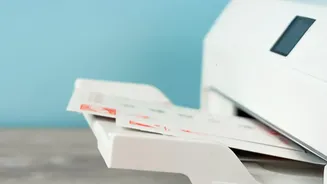
The process of digitizing a fragile letter is a careful one. It begins with assessing the document's condition and performing any necessary minor repairs or cleaning. Specialised equipment like overhead planetary scanners or flatbed scanners are used to capture a high-resolution image without applying pressure that could damage the brittle paper. The goal is to create a faithful digital reproduction, capturing not just the text but the texture and details of the page. After scanning, quality control checks ensure the image is clear and accurate. Crucially, archivists then create metadata—descriptive information about the letter's origin, date, and context—which is essential for making the digital file discoverable and understandable to future users.
What We Gain and What We Lose
While the benefits are immense, it's also important to acknowledge what can be lost in translation from physical to digital. The digital surrogate, no matter how high the quality, cannot replicate the full sensory experience of the original. The weight of the paper, the watermark visible when held to the light, the subtle indentation of the pen—these material clues are part of the historical object. There is also a risk of losing context; a single digitized page removed from its folder may lose its connection to the letters that came before and after it. Archivists work hard to mitigate this by digitizing entire collections and creating robust metadata, but researchers must remain aware that the digital copy is a representation, not the thing itself.