




Beyond the 'Boost': A Realistic Approach
First, let's clear up a common misconception. No single food or meal can magically 'boost' your immune system into overdrive. A healthy immune system is about balance, not being in a constant state of high alert. The goal of an 'immunity meal' shouldn't
be to supercharge your defences, but to provide the essential nutrients your body needs to maintain a normal, effective immune response. Think of it as providing quality building materials for your body's internal army, rather than trying to force it into battle. This means focusing on a consistent, nutrient-rich dietary pattern over time, not just one 'superfood' smoothie.
The Pillars of an Immune-Supportive Diet
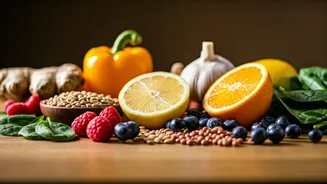
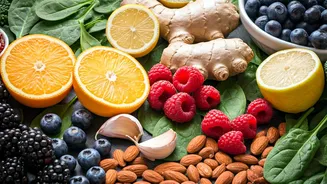
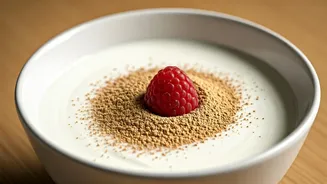
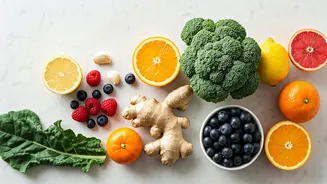
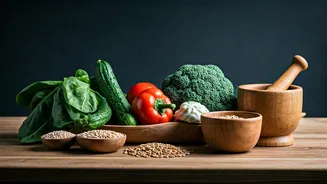
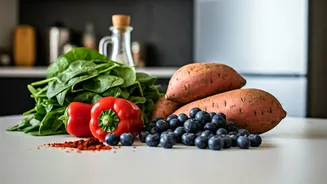
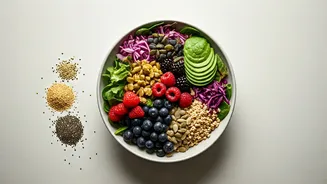
So, what are these crucial building materials? Nutrition science points to a few key players. Vitamins like C (found in citrus fruits, amla, bell peppers) and D (from sunlight, fortified foods, fatty fish) are vital. Minerals are just as important, particularly Zinc (in legumes, seeds, nuts, and whole grains) and Selenium (found in eggs and nuts). Antioxidants, which fight cell damage, are abundant in colourful fruits and vegetables. Protein is essential for building immune cells, and probiotics from fermented foods like dahi (yoghurt) support gut health—where a large part of our immune system resides. The trend gets one thing right: a varied, colourful plate is a great place to start.
Breakfast: The Fortifying Start
How you start your day can set a nutritious tone. Instead of a simple toast, consider a bowl of masala oats or daliya (porridge). Cook it with turmeric for its anti-inflammatory properties and top it with a handful of almonds and walnuts for zinc, healthy fats, and protein. Add some seasonal fruit like pomegranate or chopped apple for a dose of vitamins and fibre. Another excellent option is a simple besan (gram flour) or moong dal chilla, which provides plant-based protein, served with a side of mint chutney packed with fresh herbs.
Lunch: The Balanced Thali
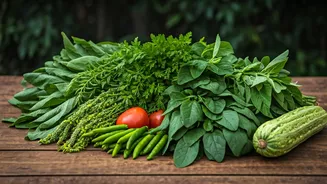
The traditional Indian thali is, by design, an excellent model for a balanced, immune-supportive meal. Aim for a composition that covers all your bases. Include a dal or legume preparation (like rajma or chana) for protein and zinc. Pair it with a seasonal sabzi, especially a leafy green like palak (spinach) or methi (fenugreek), which are rich in vitamins. A small bowl of dahi provides valuable probiotics. Accompany this with whole-grain roti or a portion of brown rice. Don't forget a side of kachumber salad (cucumber, tomato, onion) for raw nutrients and hydration.
Dinner: The Comforting, Light Meal
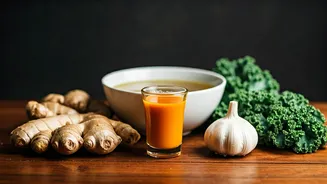
A light, easy-to-digest dinner can aid in restful sleep, which is also crucial for immune function. A hearty vegetable and lentil soup is a perfect choice. Combine carrots, beans, and spinach with masoor dal (red lentils) in a flavourful broth seasoned with immune-friendly spices like ginger, garlic, and black pepper. This meal is hydrating, packed with fibre and vitamins, and gentle on the digestive system. Another great option is a simple khichdi made with rice and moong dal, served with a spoonful of ghee, which helps in the absorption of fat-soluble vitamins.
Snacks and Sips: The Smart In-Betweens
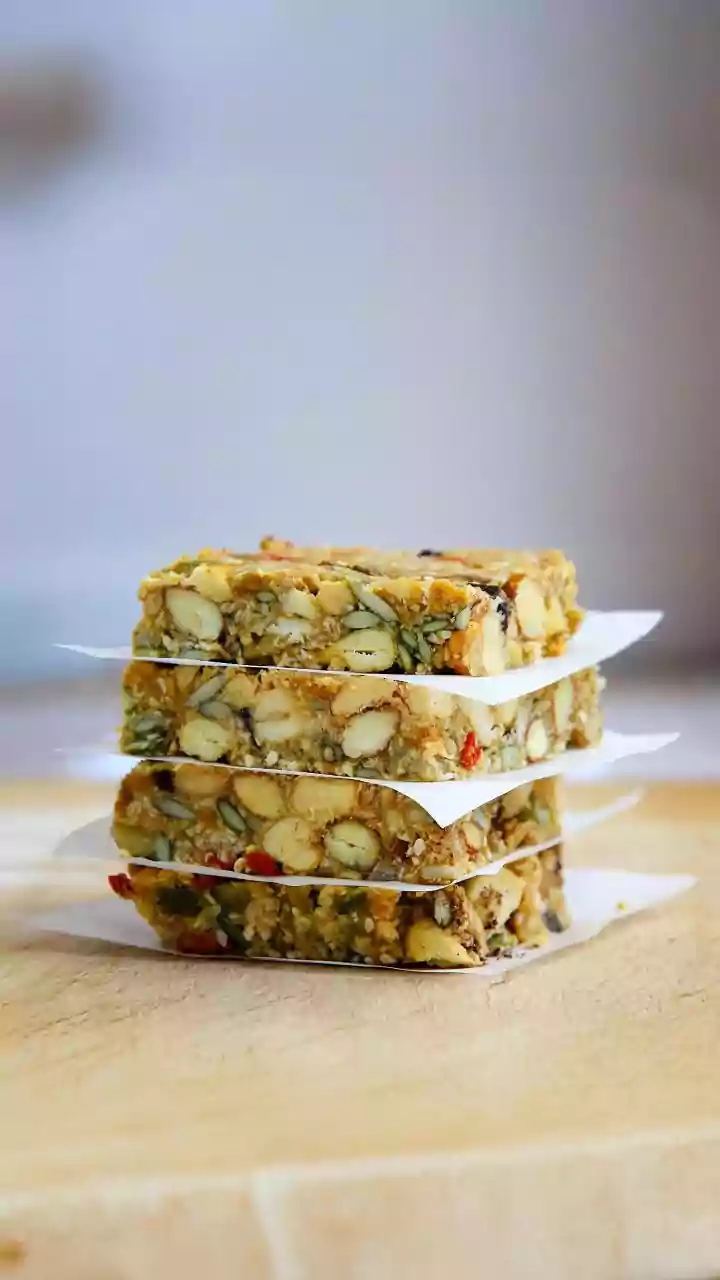
What you consume between meals also matters. Instead of reaching for processed snacks, opt for a piece of fruit like an orange or guava for a Vitamin C punch. A small handful of mixed seeds (pumpkin, sunflower) provides zinc and magnesium. For a warm, soothing beverage, a cup of herbal tea with tulsi, ginger, and a dash of honey can be both comforting and beneficial. Staying hydrated throughout the day with water, coconut water, or buttermilk is also fundamental for your body's overall function, including immunity.