







The Shift Away from Summer
For decades, Indian international travel was synonymous with the months of May and June. This was the window for families to holiday, dictated by the academic year. The result was a predictable surge in demand, leading to soaring flight prices, booked-out
hotels, and long queues at major attractions. However, a clear shift is underway. Travellers are increasingly frustrated with the drawbacks of peak season, from scorching summer heatwaves in Europe to the sheer exhaustion of navigating crowds. According to a 2026 report from Booking.com, nearly 45 percent of Indian travellers now prefer to visit destinations during off-peak periods.
Europe's Autumnal Charm
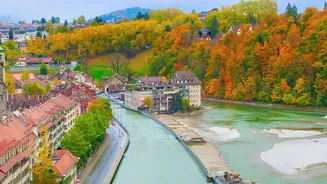
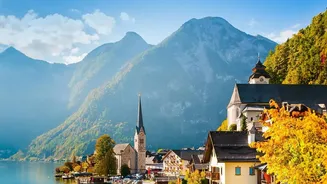
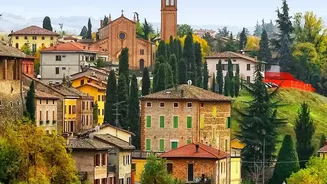
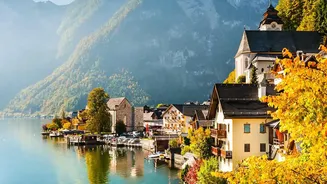
For many, the new 'prime time' for a European holiday is autumn. The months of September and October, once considered a quiet period, are now celebrated as the ideal time to visit. The appeal is multi-faceted. The oppressive summer heat gives way to crisp, pleasant weather perfect for sightseeing. The landscapes, particularly in countries like Germany, Austria, and Switzerland, are transformed by stunning fall foliage, creating postcard-perfect scenes. More practically, the summer crowds have dissipated, meaning shorter lines at museums and a more relaxed atmosphere in popular cities like Rome and Paris. This allows for a more authentic and immersive experience, where one can enjoy a coffee at a local cafe without the tourist rush.
Asia's Shoulder Season Sweet Spots
The trend extends to destinations closer to home. In Asia, savvy travellers are targeting the 'shoulder seasons'—the periods just before or after the peak tourist rush. In Southeast Asia, this often means visiting in months like October or November, after the monsoon rains have subsided but before the peak cool, dry season brings in the crowds. This window offers a sweet spot of good weather, lush green landscapes, and lower visitor numbers. Similarly, in East Asian countries like Japan, the periods just outside the famed cherry blossom (spring) and autumn foliage (fall) seasons provide a calmer experience. This strategic timing allows for exploration of cultural hubs like Bangkok, Tokyo, and Seoul with greater ease and affordability.
The Compelling Economics of Off-Peak Travel
Perhaps the most significant driver of this trend is simple economics. Travelling during the shoulder or off-season offers substantial financial benefits. Airlines and hotels, facing lower demand, often reduce their prices significantly. Reports suggest that a flight from Mumbai to London in October can be thousands of rupees cheaper than the same flight in July. This cost-saving extends to accommodation, where rates can drop by 25-60% compared to the high season. For budget-conscious travellers, this means their money goes further, allowing for a longer trip, an upgraded hotel, or simply a more affordable holiday.
A Smarter, More Sustainable Way to Explore
Beyond the personal benefits of cost and comfort, this shift also points towards a more mature and sustainable form of tourism. Spreading visitor numbers more evenly throughout the year reduces the strain on local infrastructure—transport, water, and waste management—during peak months. It provides a more stable income for local businesses and allows for more meaningful interactions between visitors and residents. By choosing to travel in the shoulder season, Indian tourists are not just getting a better deal; they are contributing to a healthier tourism ecosystem. This conscious choice reflects a move away from simply ticking off destinations to truly experiencing them.