



An Engineering Marvel of the Raj
Opened in 1903 to connect Shimla, the summer capital of British India, with the plains, the Kalka-Shimla Railway was a staggering feat of engineering. The idea, first floated in a newspaper in 1847, became a necessity as the entire colonial government
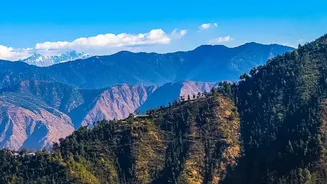
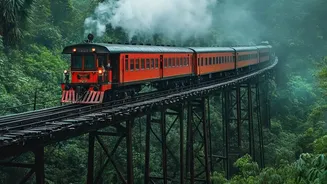
relocated annually from Calcutta, a gruelling journey by horse and cart. Under the direction of Herbert Septimus Harington, workers laid 96 kilometres of narrow-gauge track through the rugged Shivalik foothills. The project required the construction of over 800 bridges and, most famously, 102 tunnels, all built against a backdrop of steep gradients and challenging terrain. This monumental effort was designed to conquer the Himalayas, securing a vital link for the administration of the British Empire.
From Colonial Necessity to Global Icon
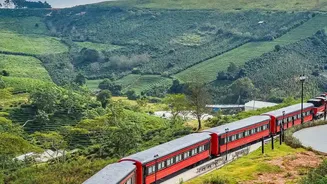
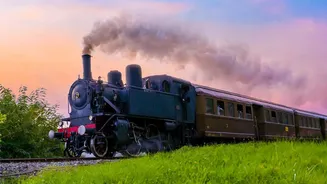
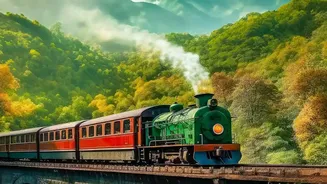
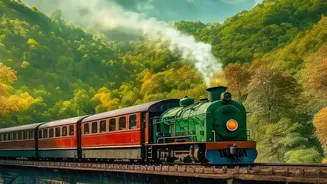
For over a century, the 'toy train', as it is affectionately known, has chugged along, its significance evolving with the times. In 2008, UNESCO officially recognized its outstanding universal value, adding it to the list of Mountain Railways of India, a World Heritage Site. This status acknowledges not just its historical importance but the sheer ingenuity of its design, which solved the problem of establishing a reliable railway through a mountainous region. The line ascends dramatically from 656 meters at Kalka to 2,076 meters at Shimla, navigating 919 sharp curves along the way. The journey is slow, taking about five to six hours, but that is precisely its charm, offering passengers an unhurried communion with the stunning landscape.
More Than Just a Tourist Train
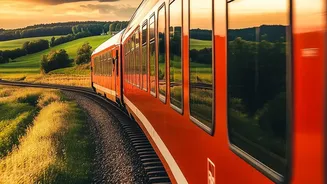
While vistadome coaches and heritage specials cater to tourists eager for a nostalgic ride, the railway's true significance lies in its dual role. For the communities dotted along its route, the train is not a luxury but a lifeline. Recent news from July 2026 highlights the resumption of the 'mixed train' service—a train that carries both passengers and freight. This service is crucial for local transportation needs, connecting the 18 stations between Kalka and Shimla. For students, office-goers, and residents of small towns, the train is an affordable and dependable mode of transport, with fares for the entire journey being remarkably low. It underscores a fundamental truth about the line: it was built for purpose, and that purpose endures.
The Delicate Balance of Preservation
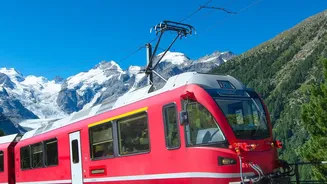
Maintaining a century-old railway in the Himalayas is a constant battle against nature and time. Landslides, especially during monsoons and floods, can disrupt services and damage tracks, requiring constant vigilance and repair. The UNESCO heritage status brings its own set of challenges, creating a delicate balancing act between modernization and preservation. For instance, proposals to electrify the line to reduce pollution from diesel engines have faced pushback from heritage experts, who argue that installing overhead lines and masts would irrevocably damage the line's historic character and landscape. Similarly, Indian Railways is exploring the use of hydrogen-powered trains on the route, a move that could offer a cleaner future while preserving the aesthetic integrity of the heritage line. These debates highlight the core tension: how to ensure the railway remains functional and safe without sacrificing the very authenticity that makes it special.